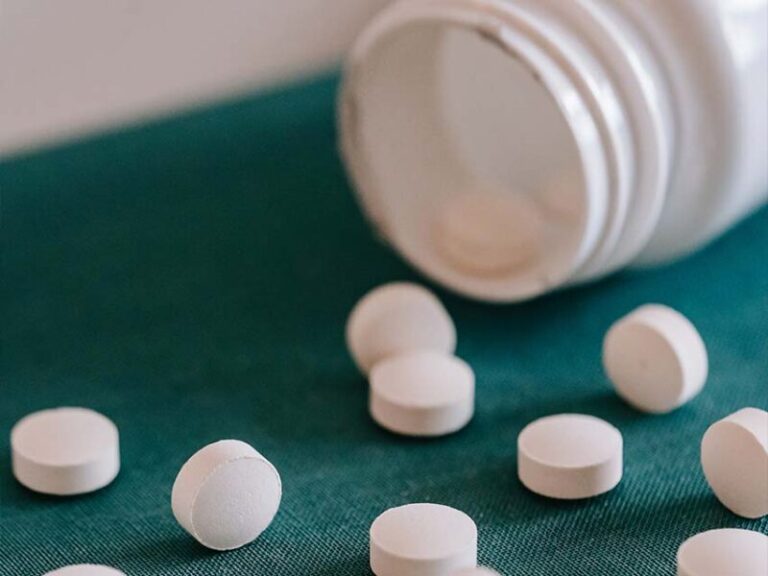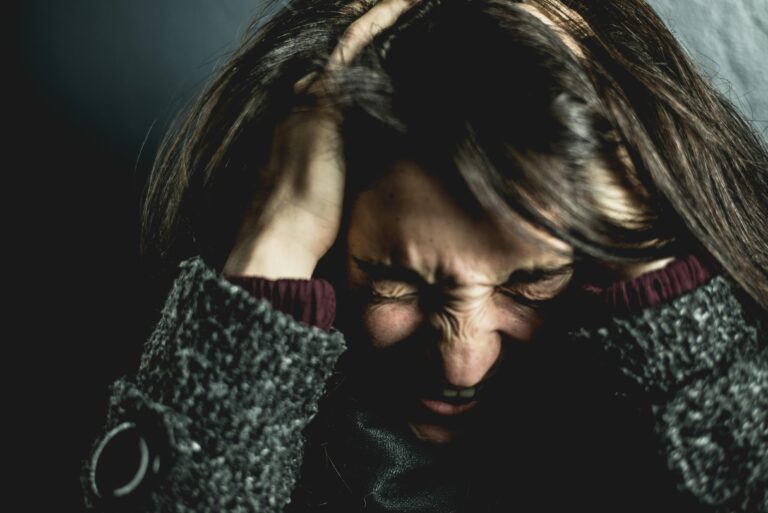
What treats acute stress?The main treatments for acute stress reaction include therapy, relaxation techniques, and short-term medication. Counseling helps manage trauma-related symptoms, while mindfulness and breathing exercises promote calmness. In severe cases, doctors may prescribe medication to reduce anxiety or sleep problems. You can learn more about medication support on our FAQ page. These combined treatments help restore mental stability after a distressing event.
What Treats Acute Stress?
When someone experiences a traumatic event, they may develop acute stress. Quick and proper care is essential. Therapy is one of the most effective ways to manage this condition. Cognitive Behavioral Therapy (CBT) helps people understand their reactions and change negative thought patterns. Relaxation exercises like deep breathing, yoga, and meditation also reduce tension. Regular physical activity releases endorphins that support emotional balance.
In addition, medical professionals may recommend short-term medication. These medicines target anxiety, sleep disruption, and other stress-related symptoms. However, they are used only under supervision. Support from family and friends is equally important. It helps the person feel safe and cared for, speeding recovery. For more medical details, you can check this Cleveland Clinic guide.What treats acute stress?
Lifestyle Changes That Help Treat Acute Stress
Healthy lifestyle habits can improve mental and physical recovery. Adequate sleep supports brain healing and stress control. Eating balanced meals rich in vitamins and omega-3 fatty acids enhances mood. Avoiding caffeine and alcohol prevents additional anxiety. Setting small daily goals helps regain control after trauma.
Relaxation training and journaling can also help process emotions. Writing down feelings encourages reflection and healing. Spending time outdoors, in nature, reduces cortisol levels. As a result, it lowers overall stress and improves resilience. Regular practice of these habits increases emotional strength and stability.
When to Seek Professional Help
Although mild cases improve with self-care, others may need medical attention. Seek professional help if symptoms last longer than a month or cause severe distress. Early treatment prevents post-traumatic stress disorder (PTSD). Psychologists, psychiatrists, and counselors specialize in trauma recovery.
Professionals often design personalized care plans based on symptom severity. They may combine therapy, medication, and stress-management training. Continuous monitoring ensures the best results. If you wonder what treats acute stress effectively, professional guidance remains the best path to recovery.
Key Takeaways
Understanding what treats acute stress helps promote faster recovery. Combining therapy, relaxation, and medication offers the most relief. Support from loved ones and healthy lifestyle choices strengthen healing. Consistent care ensures emotional stability and long-term well-being.