

are digital mental health apps used in Finland?Digital depression screening tools in Finland often miss high-functioning depression because they rely on self-reported symptoms, short questionnaires, and visible impairment markers—while high-functioning individuals actively mask distress, maintain productivity, and normalize chronic emotional exhaustion.
This gap explains why many people who “seem fine” still experience untreated depression, even in a country with advanced digital healthcare systems.
Are digital mental health apps used in Finland—and why do they struggle with hidden depression?
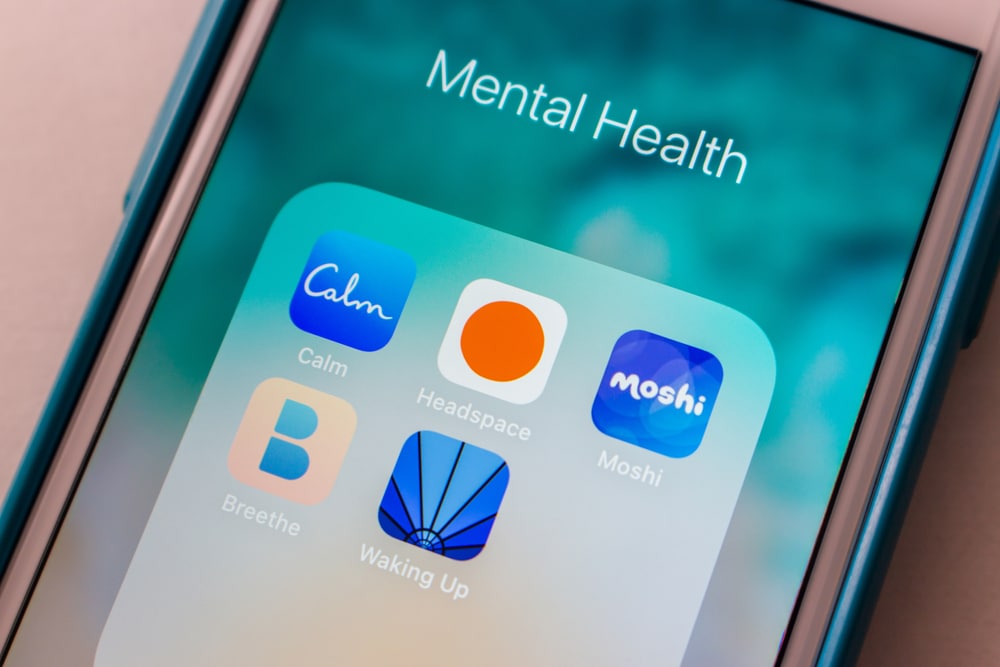
Yes, are digital mental health apps used in Finland? Absolutely. Finland widely uses digital screening tools through public healthcare portals, occupational health services, and mental health apps. However, usage does not equal accuracy.
While these tools improve access, they struggle with one specific population:
people who function well externally but suffer internally.
Simple visual:
🧠 External Functioning: High
❤️ Internal Emotional Load: Overwhelming
❌ App Result: “Low Risk”
What is high-functioning depression, and why is it hard to detect digitally?
What makes high-functioning depression different?
High-functioning depression often looks like success from the outside. However, internally, it involves persistent low mood, emotional numbness, and mental fatigue.
Unlike severe depression, individuals still:
- Go to work daily
- Meet deadlines
- Maintain relationships
- Avoid obvious crisis signals
As a result, standard digital screenings fail to flag them.
Why do symptom-based questionnaires fail?
Most tools ask questions such as:
- “Do you struggle to get out of bed?”
- “Have you stopped working or studying?”
- “Do you feel unable to function?”
High-functioning individuals often answer “no”, even while feeling emotionally depleted.
Key issue:
Digital tools measure visible dysfunction, not internal distress.
How do Finnish digital screening systems unintentionally exclude high performers?
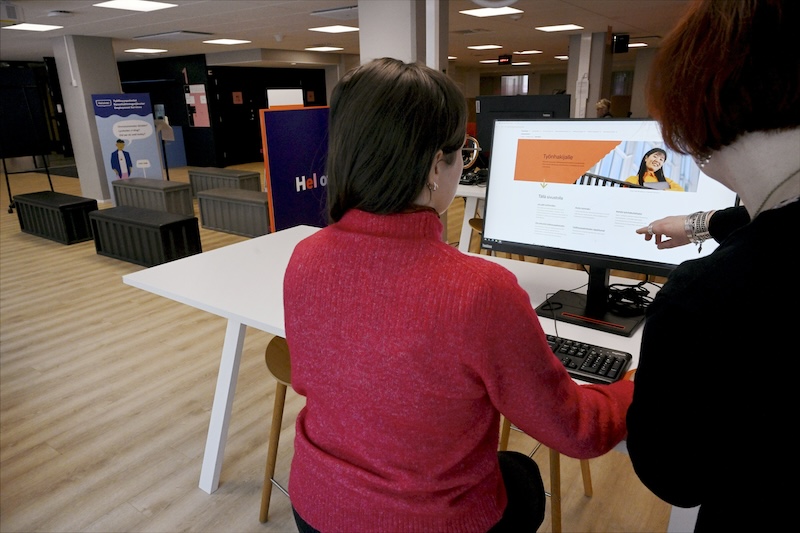
Do cultural norms in Finland affect self-reporting?
Yes. Finnish culture values self-reliance, emotional restraint, and endurance. Consequently, many people downplay symptoms instead of expressing vulnerability.
Because digital tools rely entirely on honesty and self-awareness, cultural understatement reduces detection accuracy.
Does automation reduce clinical nuance?
Digital systems scale fast, but nuance disappears.
Human clinicians notice:
- Tone changes
- Emotional incongruence
- Overachievement driven by anxiety
- Subtle burnout patterns
Algorithms, however, score checkboxes—not lived complexity.
Case study: When a “low-risk” digital result hides real depression

Case 1: Occupational health screening in Helsinki
A 34-year-old software engineer completed a workplace depression screening. Despite chronic emptiness, sleep disruption, and emotional detachment, the result showed minimal depressive symptoms.
Why?
Because productivity remained high.
Three months later, a clinician diagnosed moderate depressive disorder during a face-to-face session.
Lesson:
Functioning masked suffering—and the digital tool missed it.
Case 2: University student using mental health apps
A postgraduate student consistently scored below clinical thresholds in app-based check-ins. However, persistent rumination and emotional numbness led to burnout.
Only narrative therapy—not automated screening—revealed the issue.
Are digital mental health apps used in Finland effective for everyone?

Are digital mental health apps used in Finland? Yes—but effectiveness depends on the type of depression.
They work well for:
- Acute depressive episodes
- Severe symptom presentations
- Crisis intervention pathways
They fail when:
- Symptoms are chronic but subtle
- Emotional pain is intellectualized
- Coping mechanisms are overdeveloped
This limitation aligns with findings in peer-reviewed research on digital mental health diagnostics .
For broader mental health resources and medication education, visit this internal resource:
👉 https://thepharmacymeds.com/
What problems does this article solve for readers?
This content helps readers:
- Understand why screenings say “you’re fine” when you’re not
- Recognize high-functioning depression as valid and real
- Avoid self-blame after inaccurate digital results
- Seek appropriate human-centered support
Link-worthy insight:
Digital mental health tools are accessibility tools—not diagnostic replacements.
How can digital depression screening improve in Finland?
What should future tools include?
Improvement requires:
- Narrative-based input, not only scales
- Longitudinal emotional tracking
- Burnout and emotional exhaustion markers
- Human review checkpoints
Hybrid models—combining digital access with clinician interpretation—offer the most promise.
Helpful conclusion: What should you do if digital tools miss your depression?
If digital screening tools suggest “low risk” but emotional suffering persists, trust your experience.

Digital tools are starting points, not final answers. High-functioning depression deserves recognition, validation, and care—regardless of productivity levels.
Final takeaway:
When mental health feels heavy despite high performance, the issue is not weakness—it is mismeasurement.