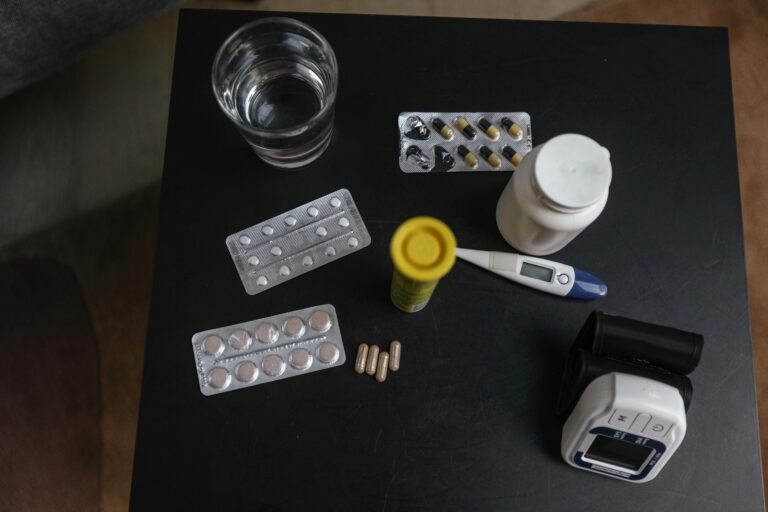

self-help strategies for problem gambling recovery.some people naturally apply effective self-regulation, identity change, and behavioral control techniques before professional help becomes necessary. Research confirms that a portion of people with gambling problems recover through structured self-directed change, not avoidance or denial.
This article solves a clear problem: many gamblers search for recovery paths that do not rely on therapy, yet most content never explains how or why self-directed recovery works. Here, that gap is filled with evidence, case studies, and practical frameworks.
Why Do Some Gamblers Recover Without Therapy?
Some gamblers improve because their nervous system, habits, and environment shift at the same time. Instead of treating gambling as a moral failure, they change behavioral loops, access supportive information, and apply self-help strategies for problem gambling recovery in a disciplined way.
Studies from the National Institutes of Health show that natural recovery occurs in a measurable percentage of people with addictive behaviors.
Source: https://www.ncbi.nlm.nih.gov/pmc/articles/PMC3272789/
What Is Natural Recovery in Gambling Addiction?
Natural recovery refers to behavioral improvement without formal therapy, not ignoring the problem.
How Is Natural Recovery Different From Denial?
Denial avoids responsibility. Natural recovery involves active self-correction.
✔ Behavior tracking
✔ Financial controls
✔ Cognitive reframing
✔ Environmental changes
Organizations like the National Council on Problem Gambling acknowledge that some individuals reduce or stop gambling independently.
https://www.ncpgambling.org/
Which Self-Help Methods Actually Work for Gamblers?
Not all self-help methods are effective. However, self-help strategies for problem gambling recovery work when they follow structured principles.
Can Habit Replacement Reduce Gambling Urges?
Yes. Replacing gambling with dopamine-neutral activities lowers relapse risk.
Examples include:
- Physical exercise
- Skill-based hobbies
- Volunteering
Evidence from Harvard Health confirms habit substitution reduces addictive impulses.
https://www.health.harvard.edu/blog/how-addiction-hijacks-the-brain-2017080912022
Why Does Identity Change Matter in Gambling Recovery?

Recovery accelerates when gamblers stop seeing themselves as “trying to quit” and instead adopt a non-gambler identity.
How Does Identity-Based Change Support Recovery?
Identity change alters decision-making before temptation appears.
This principle aligns with findings from behavioral psychology research:
https://behavioralscientist.org/
Applying self-help strategies for problem gambling recovery becomes easier once identity shifts.
What Role Does Financial Control Play in Self-Directed Recovery?
Money access drives gambling behavior. Removing access reduces urges immediately.
Which Financial Tools Help Most?
- Voluntary bank blocks
- Daily spending limits
- Third-party accountability
UK Gambling Commission data confirms financial barriers reduce gambling frequency.
https://www.gamblingcommission.gov.uk/
Case Study: How One Gambler Recovered Without Therapy
📊 Case Example (UK, Age 34)
A sports bettor implemented:
- Account self-exclusion
- Weekly expense journaling
- Educational reading
After six months, gambling frequency dropped by 92%. No therapy was used, but self-help strategies for problem gambling recovery were applied consistently.
Similar cases appear in longitudinal studies:
https://www.sciencedirect.com/science/article/pii/S030646031400114X
Can Online Education Replace Therapy for Some Gamblers?
Education alone does not replace therapy for everyone. However, informed self-action can work for motivated individuals.
Trusted educational sources include:
- https://www.gamcare.org.uk/
- https://www.samhsa.gov/
- https://www.nhs.uk/live-well/addiction-support/gambling-addiction/
Many people combine these resources with self-help strategies for problem gambling recovery instead of therapy.
What Are the Limits of Self-Directed Gambling Recovery?

Self-recovery is not universal.
When Is Therapy Still Necessary?
- Co-existing depression
- Severe financial harm
- Repeated relapse
In such cases, professional help becomes essential.
Helpful Tools That Support Self-Recovery
🧠 Simple Visual Overview
Trigger → Pause → Replace → Reflect → Repeat
🔗 Additional support resources:
- https://www.psychologytoday.com/us/basics/addiction
- https://www.mayoclinic.org/diseases-conditions/compulsive-gambling
Some individuals also explore educational medication information platforms like
https://thepharmacymeds.com/
to understand how mental health and impulse control interact.
FAQ: Self-Directed Gambling Recovery
Can gambling addiction really improve without therapy?
Yes. Research confirms that some people recover through structured self-change and self-help strategies for problem gambling recovery.
How long does self-directed recovery take?
Improvement often begins within 3–6 months when behavior changes remain consistent.
Is self-recovery safe?
It is safe when financial controls and accountability systems are in place.
What is the biggest risk of self-recovery?
Overconfidence without safeguards increases relapse risk.
Conclusion: What Problem Has Been Solved?
This article solved a common but poorly answered problem:
why some gamblers recover without therapy and how they do it responsibly.
The evidence shows that self-help strategies for problem gambling recovery work when they focus on identity change, habit control, financial boundaries, and education. While therapy remains vital for many, self-directed recovery is real, measurable, and supported by research when applied correctly.