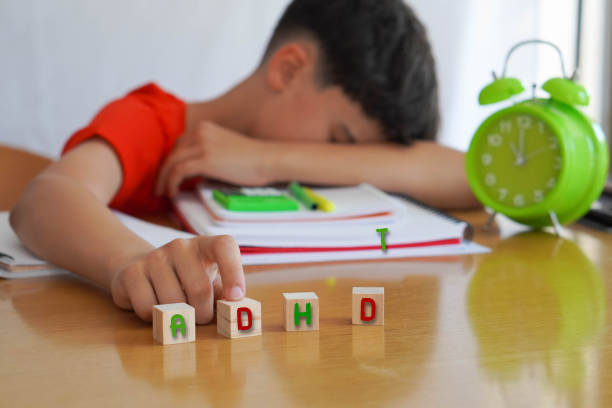
what rewards work best for ADHD routines.Managing a child with Attention Deficit Hyperactivity Disorder (ADHD) can feel overwhelming for many parents. Children with ADHD often struggle with focus, organization, and impulse control. However, the right daily routines can dramatically improve behavior, reduce stress, and help children thrive both at home and in school.
One of the most common questions parents ask is what rewards work best for ADHD routines. Reward systems can be extremely powerful when used correctly because they reinforce positive habits and motivate children to stick with structured routines.
In this guide, you’ll discover practical daily routines, reward strategies, and simple techniques that actually work for children with ADHD.
Why Daily Structure Matters for ADHD — And What Rewards Work Best for ADHD Routines
Children with ADHD often struggle with executive functioning skills such as planning, organizing, and completing tasks. A predictable routine helps reduce decision fatigue and anxiety.
Parents frequently wonder what rewards work best for ADHD routines, and research shows that consistent, small rewards tied directly to behaviors are more effective than large or delayed rewards.
Examples of structured routine blocks include:
- Morning preparation routine
- Homework and study time
- Chore completion
- Bedtime wind-down routine
To better understand ADHD symptoms and causes, you can read more here:
https://en.wikipedia.org/wiki/Attention_deficit_hyperactivity_disorder
Morning Routines That Reduce Chaos
Mornings are often the most stressful time in ADHD households. A predictable routine helps prevent rushing and emotional meltdowns.
Effective ADHD morning routine example:
- Wake up at the same time every day
- Use a visual checklist for tasks
- Prepare clothes and backpack the night before
- Eat a protein-rich breakfast
- Use a timer for each activity
Visual schedules and checklists are particularly helpful because children with ADHD respond well to clear visual structure.
Simple Reward Systems: What Rewards Work Best for ADHD Routines
Many parents experiment with reward systems but struggle to find the right incentives.
So what rewards work best for ADHD routines?
The most effective rewards are:
- Immediate
- Predictable
- Small but motivating
- Connected directly to behavior
Examples include:
- Sticker charts
- Extra screen time (10–15 minutes)
- Choosing dinner or a movie
- Staying up 15 minutes later
- Picking a family activity
Consistency is more important than the size of the reward. Children respond best when they know exactly what behavior earns the reward.
Homework and Study Routine
Homework can be extremely difficult for children with ADHD due to distractions and frustration.
A successful homework routine includes:
- A quiet workspace
- Short work blocks (15–20 minutes)
- Scheduled movement breaks
- Positive reinforcement after each task
Parents who are unsure what rewards work best for ADHD routines often discover that break-based rewards work extremely well.
For example:
- Finish math worksheet → earn 5-minute break
- Complete reading → earn game time
- Finish homework → earn evening reward
Long-Term Motivation: What Rewards Work Best for ADHD Routines
Short-term rewards help daily habits, but long-term motivation requires bigger goals.
Parents exploring what rewards work best for ADHD routines often use a token economy system.
Example system:
- 1 token for brushing teeth
- 1 token for homework completion
- 1 token for cleaning room
- 5 tokens = reward
Possible larger rewards:
- New toy
- Weekend outing
- Choosing a restaurant
- Game night pick
Token systems help children see progress and build motivation over time.
Building an ADHD-Friendly Bedtime Routine
Sleep problems are common for children with ADHD. A structured bedtime routine improves sleep quality and behavior the next day.
Recommended routine:
- Turn off screens 60 minutes before bed
- Take a warm shower
- Read a calming book
- Practice deep breathing
- Lights out at the same time nightly
If children resist bedtime tasks, this is another moment where parents can test what rewards work best for ADHD routines.
Simple incentives like earning points for completing bedtime steps often improve compliance quickly.
Supporting ADHD Treatment and Professional Guidance
Parents often consult healthcare providers and pharmacists to better understand treatment options and behavioral strategies. You can learn more about professional medication guidance and support here:
Combining structured routines, behavioral rewards, and medical guidance often leads to the best long-term outcomes for children with ADHD.
Frequently Asked Questions (FAQ)
What rewards work best for ADHD routines?
Parents often ask what rewards work best for ADHD routines, and the most effective rewards are immediate, consistent, and meaningful to the child. Examples include stickers, short screen time, choosing activities, small treats, or earning points toward larger rewards.
How do routines help children with ADHD?
Routines reduce uncertainty and help children know what to expect next. Predictable schedules improve focus, reduce anxiety, and help children build strong habits over time.
Should ADHD reward systems be daily or weekly?
Daily rewards usually work best because children with ADHD respond better to immediate feedback. Weekly rewards can still work if they are paired with smaller daily incentives.
What is the best routine for ADHD mornings?
A good ADHD morning routine includes visual checklists, consistent wake-up times, prepared clothing, and timed activities. Keeping steps simple and predictable reduces stress.
Can routines replace ADHD medication?
Routines alone may help some children, but many benefit from a combination of behavioral strategies, therapy, and medical treatment recommended by healthcare professionals.
✅ Conclusion
Managing ADHD in children becomes much easier when parents combine structured routines, clear expectations, and motivating reward systems. When parents understand what rewards work best for ADHD routines, they can transform daily challenges into opportunities for growth, independence, and confidence.
Small, consistent changes in routines often create the biggest long-term improvements for children with ADHD.