
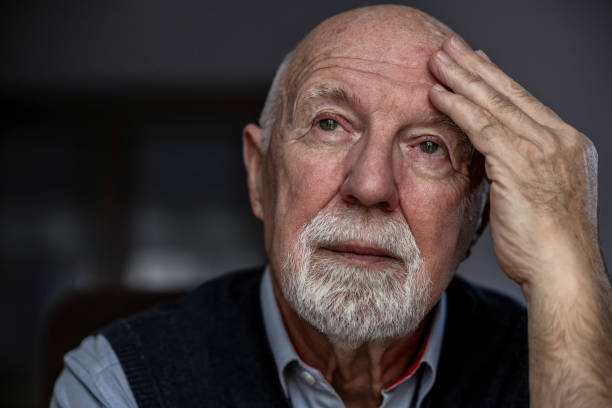
early warning signs of dementia in adults.Dementia is a progressive condition that affects memory, thinking, and daily functioning. Recognizing the early warning signs of dementia in adults can help individuals and families seek medical support sooner and potentially slow the progression of symptoms. Many people dismiss subtle cognitive changes as normal aging, but understanding the core symptoms can make a significant difference in early diagnosis and care.
Healthcare professionals emphasize that noticing these signs early allows patients to explore treatments, lifestyle changes, and professional guidance. Reliable medical support and medication consultation can also be obtained through trusted resources like https://thepharmacymeds.com/.
Understanding the Early Warning Signs of Dementia in Adults
The early warning signs of dementia in adults often appear gradually and may initially seem harmless. However, when these symptoms start interfering with everyday life, they may indicate underlying neurological changes.
Dementia is not a single disease but a group of conditions affecting brain function. The most common form is Alzheimer’s disease, but other types exist as well. Recognizing the symptoms early helps doctors assess cognitive decline and recommend appropriate management strategies.
Core Early Warning Signs of Dementia in Adults

Here are some of the most important symptoms to watch for.
1. Memory Loss That Disrupts Daily Life
One of the most noticeable early warning signs of dementia in adults is frequent memory loss. This goes beyond occasionally forgetting where you placed your keys.
Examples include:
- Repeatedly asking the same questions
- Forgetting recently learned information
- Relying heavily on reminders or family members
Short-term memory is usually affected first, making it harder for individuals to recall recent conversations or events.
2. Difficulty Planning or Solving Problems
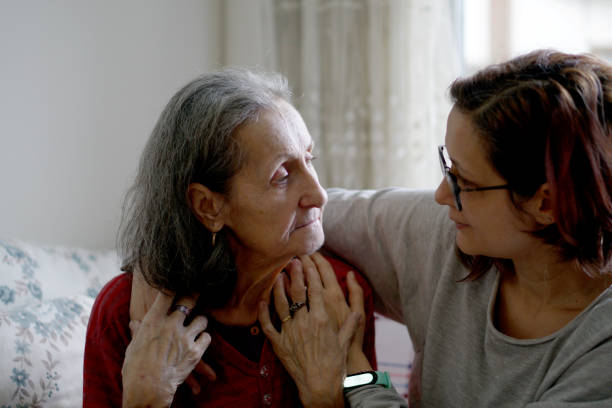
People may struggle with tasks that once felt routine, such as:
- Managing finances
- Following a recipe
- Tracking monthly bills
These cognitive difficulties can make problem-solving and concentration much harder.
3. Confusion With Time or Place
Another common symptom is losing track of dates, seasons, or the passage of time. Individuals may forget where they are or how they got there.
4. Trouble With Words and Communication
A person may suddenly struggle to follow or join conversations. They might pause frequently while speaking or have trouble finding the right word.
Interestingly, some neurological conditions also affect attention and behavior. For example, attention disorders such as https://en.wikipedia.org/wiki/Attention_deficit_hyperactivity_disorder affect focus and impulse control, though they are very different from dementia.
5. Poor Judgment and Decision-Making
People experiencing cognitive decline may begin making unusual or risky decisions. This might include:
- Spending money irresponsibly
- Ignoring personal hygiene
- Falling for scams more easily
These behavioral changes can be subtle at first but often become more noticeable over time.
6. Withdrawal From Social Activities
Many individuals experiencing cognitive changes withdraw from hobbies, social gatherings, or work activities. This can happen because they feel embarrassed or frustrated by their memory problems.
Recognizing these changes early is crucial because they may indicate the early warning signs of dementia in adults that require medical evaluation.
7. Changes in Mood or Personality
Mood swings, anxiety, irritability, or depression can also appear during the early stages. Someone who was once calm and confident may become suspicious, fearful, or easily upset.
These emotional changes often accompany cognitive decline and may be among the early warning signs of dementia in adults that families notice first.
Why Early Detection Matters
Recognizing the early warning signs of dementia in adults allows for earlier diagnosis and better care planning. Early detection can help with:
- Medical treatments that may slow progression
- Lifestyle adjustments that support brain health
- Planning future care needs
- Reducing anxiety for patients and families
Healthcare providers may perform cognitive tests, brain imaging, and medical evaluations to confirm a diagnosis.
When to Seek Medical Help
If you or a loved one shows multiple symptoms listed above, it is important to consult a healthcare professional. Early medical guidance can provide clarity and help determine whether symptoms are caused by dementia, medication effects, stress, or other neurological conditions.
Professional consultation and medication guidance can also be accessed through trusted medical platforms like https://thepharmacymeds.com/.
Frequently Asked Questions (FAQ)
What are the most common early warning signs of dementia in adults?
The most common early warning signs of dementia in adults include memory loss, difficulty concentrating, confusion about time or place, trouble communicating, and noticeable changes in personality or mood.
At what age do dementia symptoms usually start?
Dementia most commonly affects people over the age of 65, but early-onset dementia can appear in adults in their 40s or 50s. Early detection is important regardless of age.
Can dementia symptoms be reversed?
Most forms of dementia cannot be completely reversed, but some symptoms may improve if caused by treatable conditions such as vitamin deficiencies, medication reactions, or thyroid disorders. Early diagnosis helps doctors identify these possibilities.
How can adults reduce the risk of dementia?
Lifestyle habits that support brain health include:
- Regular physical activity
- A balanced diet
- Mental stimulation
- Quality sleep
- Managing stress and chronic health conditions
These habits may help delay or reduce the risk of cognitive decline.