

what causes heart palpitations and dizziness.Heart palpitations and dizziness can be alarming experiences, leaving many wondering what triggers them and how to respond. This guide will explore what causes heart palpitations and dizziness, common triggers in the UK, NHS-recognized self-assessment steps, and provide a handy symptom checklist for quick reference.
Understanding Heart Palpitations and Dizziness
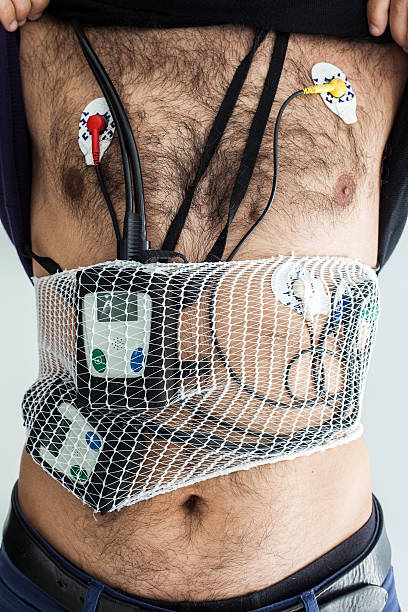
Heart palpitations are sensations of a racing, fluttering, or irregular heartbeat, often accompanied by lightheadedness or dizziness. While occasional palpitations are common, persistent symptoms may indicate an underlying health issue. For a detailed overview, see Palpitations on Wikipedia.what causes heart palpitations and dizziness
H2: Common Triggers: What Causes Heart Palpitations and Dizziness
Identifying triggers can help manage episodes effectively. Here are the most common factors:
- Stress and Anxiety: Emotional strain can increase adrenaline, causing palpitations.
- Dehydration: Low fluid levels reduce blood volume, resulting in dizziness and irregular heartbeats.
- Caffeine and Stimulants: Excessive intake of coffee, energy drinks, or certain medications can trigger palpitations.
- Medications: Some over-the-counter or prescription drugs can cause these symptoms. Consult your pharmacist or doctor at The Pharmacy Meds for advice.
- Hormonal Changes: Thyroid imbalances, menopause, or pregnancy can contribute to heart rhythm disturbances.
H3: NHS-Recognized Self-Assessment Steps
The NHS recommends simple self-checks to monitor palpitations and dizziness at home:
- Track Your Heart Rate: Note the frequency, duration, and intensity of palpitations.
- Identify Patterns: Record your activities, meals, or emotional stressors that precede symptoms.
- Hydration Check: Ensure adequate water intake.
- Relaxation Techniques: Practice deep breathing or mindfulness to reduce stress-induced palpitations.
- Medical Review: Persistent or severe symptoms require professional assessment.
H4: Symptom Checklist for Quick Reference
Keep this checklist handy to recognize red flags:
- Fluttering or pounding heartbeat
- Sudden dizziness or lightheadedness
- Shortness of breath
- Chest discomfort
- Fainting or near-fainting episodes
- Fatigue or weakness
Use this checklist to share with patient forums or support groups, increasing awareness and peer discussion.
H3: Lifestyle Tips to Prevent Episodes
- Stay hydrated throughout the day
- Limit caffeine and alcohol intake
- Maintain balanced nutrition
- Prioritize regular sleep
- Manage stress with yoga or meditation
These preventive steps can reduce the likelihood of palpitations and dizziness.
H2: When to Seek Medical Help
Although many triggers are benign, consult a doctor if you experience:
- Palpitations accompanied by chest pain or shortness of breath
- Persistent dizziness or fainting
- Rapid heart rate lasting more than a few minutes
- Any concerning change in symptoms
Your pharmacist or healthcare provider, such as those at The Pharmacy Meds, can provide guidance on whether further tests are needed.
FAQ: What Causes Heart Palpitations and Dizziness
Q1: Can stress really cause heart palpitations and dizziness?
Yes. Stress activates the sympathetic nervous system, which can trigger temporary increases in heart rate and feelings of lightheadedness.
Q2: Are palpitations dangerous?
Most palpitations are harmless, but persistent or severe episodes could indicate heart problems. Seek medical advice if symptoms continue.
Q3: How does dehydration contribute to these symptoms?
Low fluid levels reduce blood volume, making the heart work harder to circulate blood, which can result in palpitations and dizziness.
Q4: Can lifestyle changes help?
Absolutely. Hydration, stress management, limiting stimulants, and adequate sleep can significantly reduce symptom frequency.
Q5: Where can I get professional advice in the UK?
Consult your GP or pharmacist. For convenient guidance and medication support, The Pharmacy Meds offers reliable assistance.
Conclusion
Understanding what causes heart palpitations and dizziness empowers you to identify triggers, follow NHS-recommended self-assessment steps, and seek timely medical advice. Share this symptom checklist with friends, family, and patient forums to help others recognize and manage these symptoms effectively.