
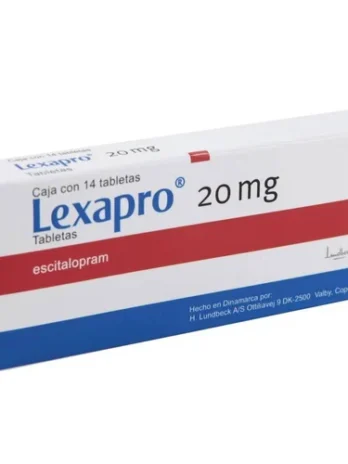
Dexanil (Escitalopram)
£50.00
Description
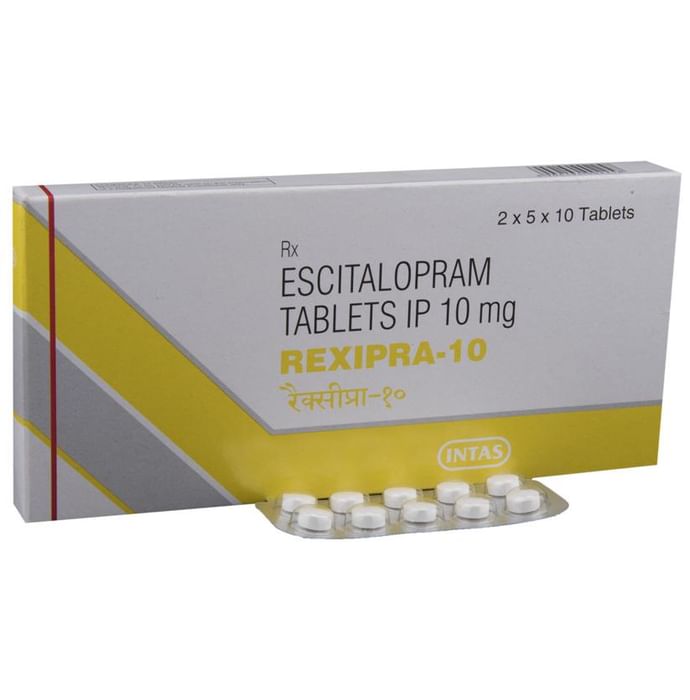
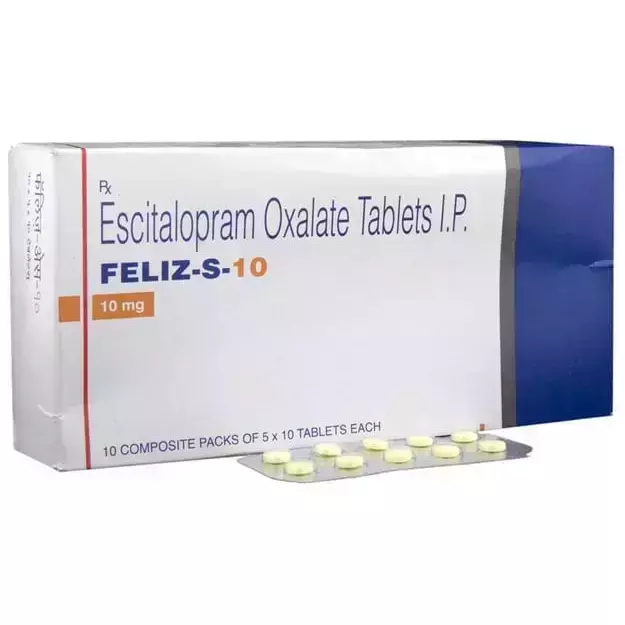
Dexanil (Escitalopram) is a commonly prescribed medication used to manage mental health conditions such as depression and anxiety disorders. It belongs to a class of drugs known as selective serotonin reuptake inhibitors (SSRIs), which work by balancing chemicals in the brain that affect mood and emotional stability. Understanding how Dexanil (Escitalopram) works and how it is used can help individuals make informed decisions about their treatment.
How It Works: Dexanil (Escitalopram)
Escitalopram works by increasing the levels of serotonin in the brain. Serotonin is a neurotransmitter responsible for regulating mood, sleep, and overall emotional well-being. When serotonin levels are low or imbalanced, individuals may experience symptoms of depression or anxiety.
By preventing the reabsorption (reuptake) of serotonin into nerve cells, Dexanil (Escitalopram) ensures that more serotonin remains available in the brain. This helps improve mood, reduce feelings of anxiety, and promote a sense of calm over time. Unlike older antidepressants, SSRIs like Dexanil are generally better tolerated and have fewer severe side effects.
Usage of Dexanil (Escitalopram)
Dexanil (Escitalopram) is primarily prescribed for:
- Major depressive disorder (MDD)
- Generalized anxiety disorder (GAD)
- Panic disorder (in some cases)
- Obsessive-compulsive symptoms
Patients are usually advised to take the medication once daily, with or without food, depending on their doctor’s recommendation. It may take several weeks before noticeable improvements occur, so consistency is important.
For more detailed pharmaceutical resources, you can explore this internal reference: https://thepharmacymeds.com/
Important Considerations
When taking Dexanil (Escitalopram), it is essential to follow medical advice carefully. Abruptly stopping the medication may lead to withdrawal symptoms such as dizziness, irritability, or sleep disturbances. Doctors typically recommend gradual dose adjustments when starting or discontinuing treatment.
Common side effects may include:
- Nausea
- Headache
- Dry mouth
- Sleep disturbances
- Fatigue
While these effects are usually mild and temporary, any severe or persistent symptoms should be discussed with a healthcare provider.
It is also important to avoid combining Dexanil with certain medications, especially other antidepressants or substances that affect serotonin levels, as this can increase the risk of serotonin syndrome—a rare but serious condition.
For comparison with older stimulant-antidepressant combinations, see Dexamyl here: https://en.wikipedia.org/wiki/Dexamyl
Benefits of Dexanil (Escitalopram)
One of the main advantages of Dexanil (Escitalopram) is its effectiveness with relatively fewer side effects compared to older antidepressants. Many users report:
- Improved mood stability
- Reduced anxiety levels
- Better sleep patterns
- Enhanced daily functioning
Because of its tolerability, it is often considered a first-line treatment for anxiety and depression.
FAQ About Dexanil (Escitalopram)
1. How long does Dexanil take to work?
Most people begin to notice improvements within 2–4 weeks, but full benefits may take up to 6–8 weeks.
2. Can I stop taking Dexanil suddenly?
No. It is important to taper off under medical supervision to avoid withdrawal symptoms.
3. Is Dexanil addictive?
No, it is not considered addictive, but the body can become dependent on it, which is why gradual discontinuation is recommended.
4. Can Dexanil be taken long-term?
Yes, many individuals use it safely for long-term treatment under a doctor’s guidance.
5. What should I avoid while taking Dexanil ?
Avoid alcohol and certain medications that interact with SSRIs unless approved by your healthcare provider.
In summary, Dexanil is a widely used and effective medication for managing depression and anxiety. With proper use and medical supervision, it can significantly improve quality of life and emotional well-being.



Reviews
There are no reviews yet.