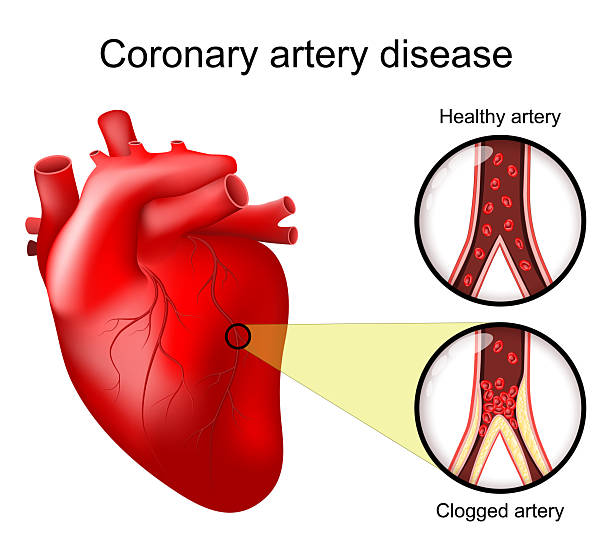



Coronary Heart Disease (CHD) develops slowly over many years, often beginning silently during childhood and progressing into dangerous artery blockages later in life. Understanding how plaque builds inside the arteries is essential for preventing heart attack from coronary artery disease and improving long-term cardiovascular health.
CHD occurs when fatty substances, cholesterol, inflammatory cells, and calcium accumulate inside coronary arteries. Over time, these deposits narrow the blood vessels, reducing oxygen supply to the heart muscle. Eventually, plaque rupture can trigger a blood clot that completely blocks blood flow, leading to a heart attack.
According to the National Center for Biotechnology Information (NCBI) Coronary Artery Disease resource, atherosclerosis is the major underlying cause of coronary artery disease and myocardial infarction.
What Is Coronary Heart Disease (CHD)?
Coronary Artery Disease is a chronic inflammatory condition affecting the arteries that supply blood to the heart. It usually progresses gradually over decades before symptoms appear.
Common symptoms include:
- Chest pain (angina)
- Shortness of breath
- Fatigue
- Irregular heartbeat
- Heart attack
Many people do not realize they have CHD until a severe cardiac event occurs.
H2: Preventing Heart Attack From Coronary Artery Disease Starts Early


The process of preventing heart attack from coronary artery disease begins long before symptoms appear. Research shows that artery damage can begin in childhood due to unhealthy diets, smoking exposure, obesity, diabetes, and high cholesterol.
Stage 1: Endothelial Damage
The inner lining of the arteries, called the endothelium, becomes damaged by:
- High blood pressure
- Smoking
- Diabetes
- High LDL cholesterol
- Chronic inflammation
Once damaged, cholesterol particles enter the artery wall and trigger inflammation.
Medical studies cited by the NCBI Coronary Artery Disease chapter explain that endothelial dysfunction is one of the earliest stages of atherosclerosis.
H3: Preventing Heart Attack From Coronary Artery Disease During Fatty Streak Formation
Fatty streaks are the earliest visible signs of atherosclerosis. These yellow streaks form when immune cells called macrophages consume oxidized cholesterol and become “foam cells.”
What Happens During This Stage?
- LDL cholesterol accumulates
- White blood cells migrate into artery walls
- Inflammation increases
- Fatty streaks begin developing
This stage may remain silent for years or decades.
People focusing on preventing heart attack from coronary artery disease should adopt healthier lifestyles as early as possible because fatty streaks can still be reversed during early development.
Important prevention strategies include:
- Eating a heart-healthy diet
- Avoiding smoking
- Exercising regularly
- Managing stress
- Maintaining healthy blood pressure
H2: Fibrous Plaque Development and Artery Narrowing


As fatty streaks grow, smooth muscle cells and collagen form a fibrous cap over the plaque. This creates hardened atherosclerotic lesions that narrow coronary arteries.
Effects of Plaque Growth
- Reduced oxygen delivery
- Increased blood pressure
- Chest discomfort
- Reduced exercise tolerance
At this stage, many patients develop stable angina.
The process of preventing heart attack from coronary artery disease becomes more difficult once plaques harden, but lifestyle changes and medical treatment can still reduce progression.
H4: Preventing Heart Attack From Coronary Artery Disease Before Plaque Rupture
One of the most dangerous stages occurs when unstable plaque ruptures.
When plaque breaks open:
- The body interprets it as an injury
- Blood clotting begins
- A clot rapidly forms
- Blood flow becomes blocked
- Heart muscle starts dying
This causes a heart attack, medically known as myocardial infarction.
Signs of an Approaching Heart Attack
- Sudden chest pressure
- Pain radiating to arm or jaw
- Sweating
- Nausea
- Dizziness
- Shortness of breath
Recognizing symptoms quickly is critical for survival.
H2: Preventing Heart Attack From Coronary Artery Disease With Lifestyle Changes


Experts emphasize that preventing heart attack from coronary artery disease depends heavily on daily habits and long-term cardiovascular care.
Best Lifestyle Changes for CHD Prevention
Healthy Diet
Choose foods rich in:
- Fruits
- Vegetables
- Whole grains
- Fish
- Healthy fats
Avoid:
- Processed foods
- Excess sugar
- Trans fats
- Excess sodium
Regular Exercise
Aim for:
- 150 minutes of moderate exercise weekly
- Walking
- Cycling
- Swimming
Smoking Cessation
Smoking damages arteries and accelerates plaque formation.
Weight Management
Maintaining a healthy weight lowers cardiovascular risk.
Cholesterol Control
Managing LDL cholesterol is essential for preventing heart attack from coronary artery disease.
Medical Treatments for CHD
Treatment options may include:
- Statins
- Blood pressure medications
- Aspirin therapy
- Angioplasty
- Coronary artery bypass surgery
Some patients also research wellness and pharmaceutical-related products online. For additional product information, visit this internal resource:
Lysergic Acid Diethylamide Product Information
Always consult a licensed medical professional before taking any medication or supplement.
Scientific Understanding of CHD Progression
Research continues to show that CHD is both an inflammatory and metabolic disease.
Key scientific findings include:
- Chronic inflammation accelerates plaque instability
- High LDL cholesterol increases cardiovascular risk
- Diabetes significantly damages blood vessels
- Hypertension worsens endothelial injury
The NCBI Bookshelf Coronary Artery Disease review provides extensive evidence about the mechanisms behind atherosclerosis and coronary artery disease progression.
FAQ: Preventing Heart Attack From Coronary Artery Disease
What causes coronary artery disease?
Coronary artery disease is mainly caused by plaque buildup inside coronary arteries. Risk factors include smoking, diabetes, obesity, high cholesterol, high blood pressure, poor diet, and lack of exercise.
Can fatty streaks in arteries be reversed?
Yes. Early fatty streaks may improve through healthy lifestyle changes such as exercise, smoking cessation, cholesterol management, and a heart-healthy diet.
How long does CHD take to develop?
CHD often develops over decades. Plaque formation can begin in childhood and worsen slowly until symptoms appear later in adulthood.
What is the best way of preventing heart attack from coronary artery disease?
The best methods of preventing heart attack from coronary artery disease include:
- Maintaining healthy cholesterol levels
- Exercising regularly
- Eating nutritious foods
- Avoiding smoking
- Managing diabetes and blood pressure
- Attending regular medical checkups
Can stress worsen coronary artery disease?
Yes. Chronic stress may increase blood pressure, inflammation, and unhealthy coping habits that worsen cardiovascular health.
What are early warning signs of a heart attack?
Common warning signs include:
- Chest pressure
- Shortness of breath
- Arm pain
- Jaw pain
- Sweating
- Nausea
- Fatigue
Emergency medical treatment should be sought immediately.
Is coronary artery disease hereditary?
Genetics can increase the risk of CHD, especially if close relatives developed heart disease at an early age. However, lifestyle factors also play a major role.
Final Thoughts on Preventing Heart Attack From Coronary Artery Disease
Understanding how CHD develops from early fatty streaks to life-threatening plaque rupture helps people make informed decisions about heart health. The earlier prevention begins, the greater the chances of slowing or stopping disease progression.
Focusing on preventing heart attack from coronary artery disease through healthy living, medical screening, and risk factor management can significantly reduce complications and improve long-term survival.
Medical evidence consistently supports early intervention, cholesterol management, exercise, smoking cessation, and blood pressure control as essential tools in cardiovascular disease prevention.