

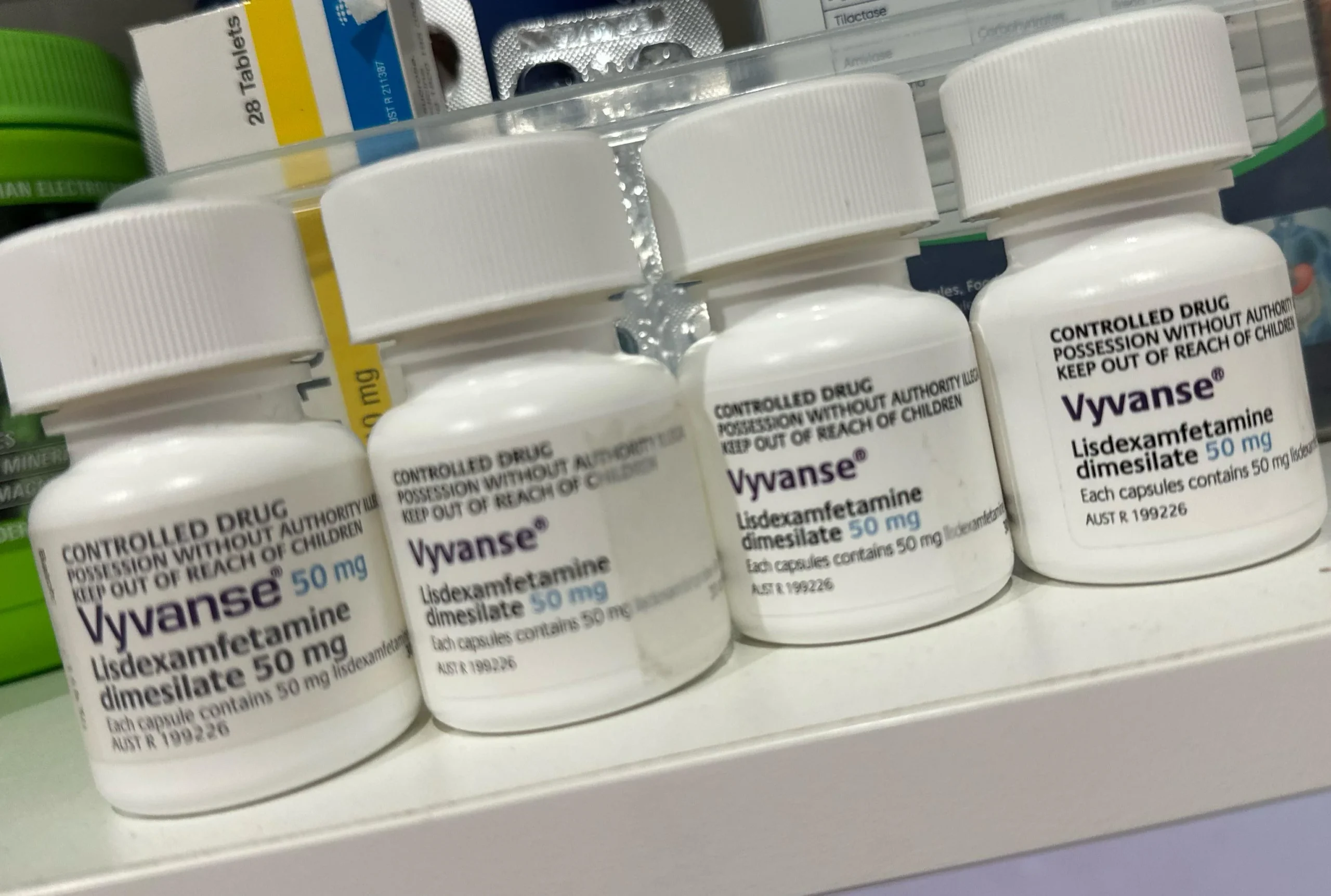
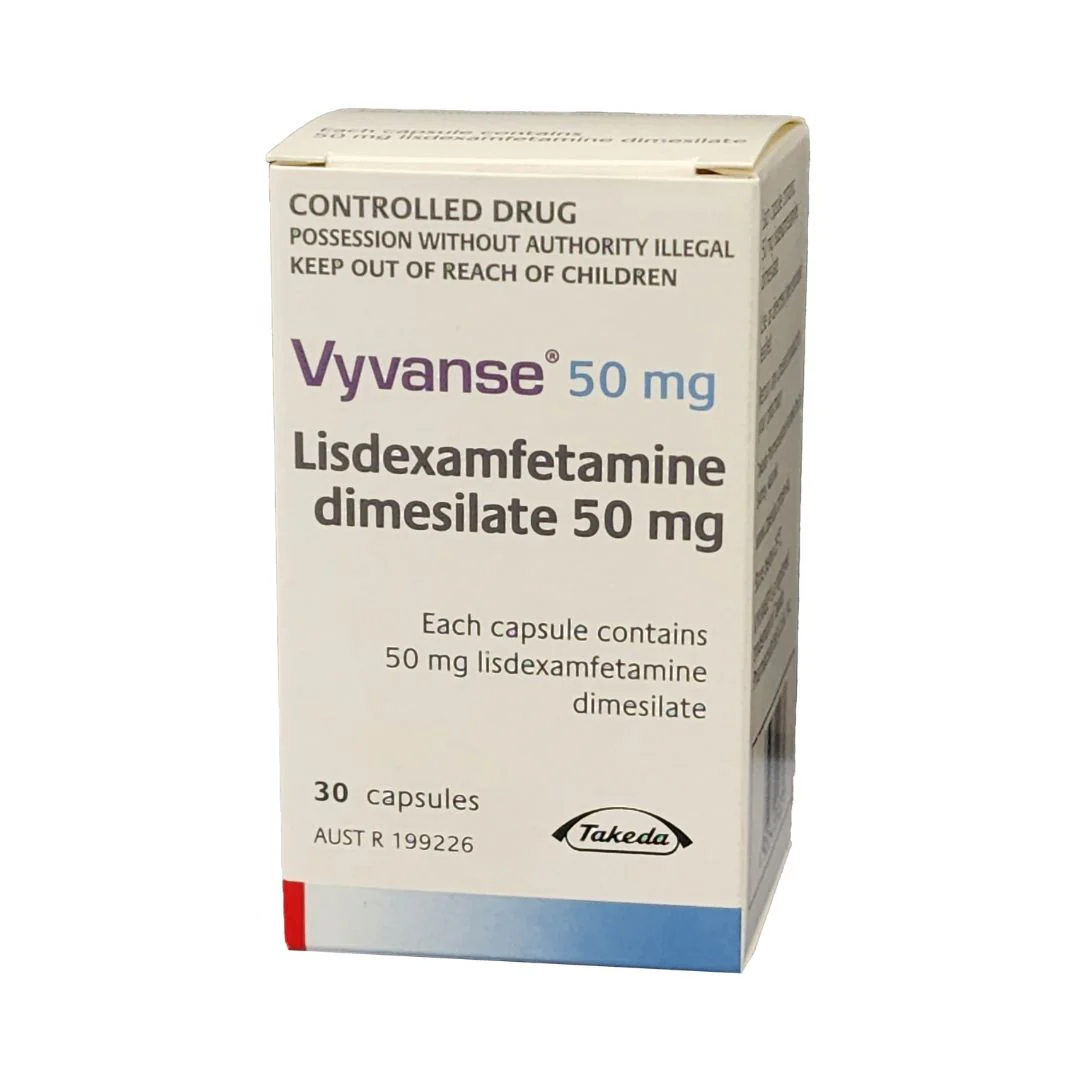
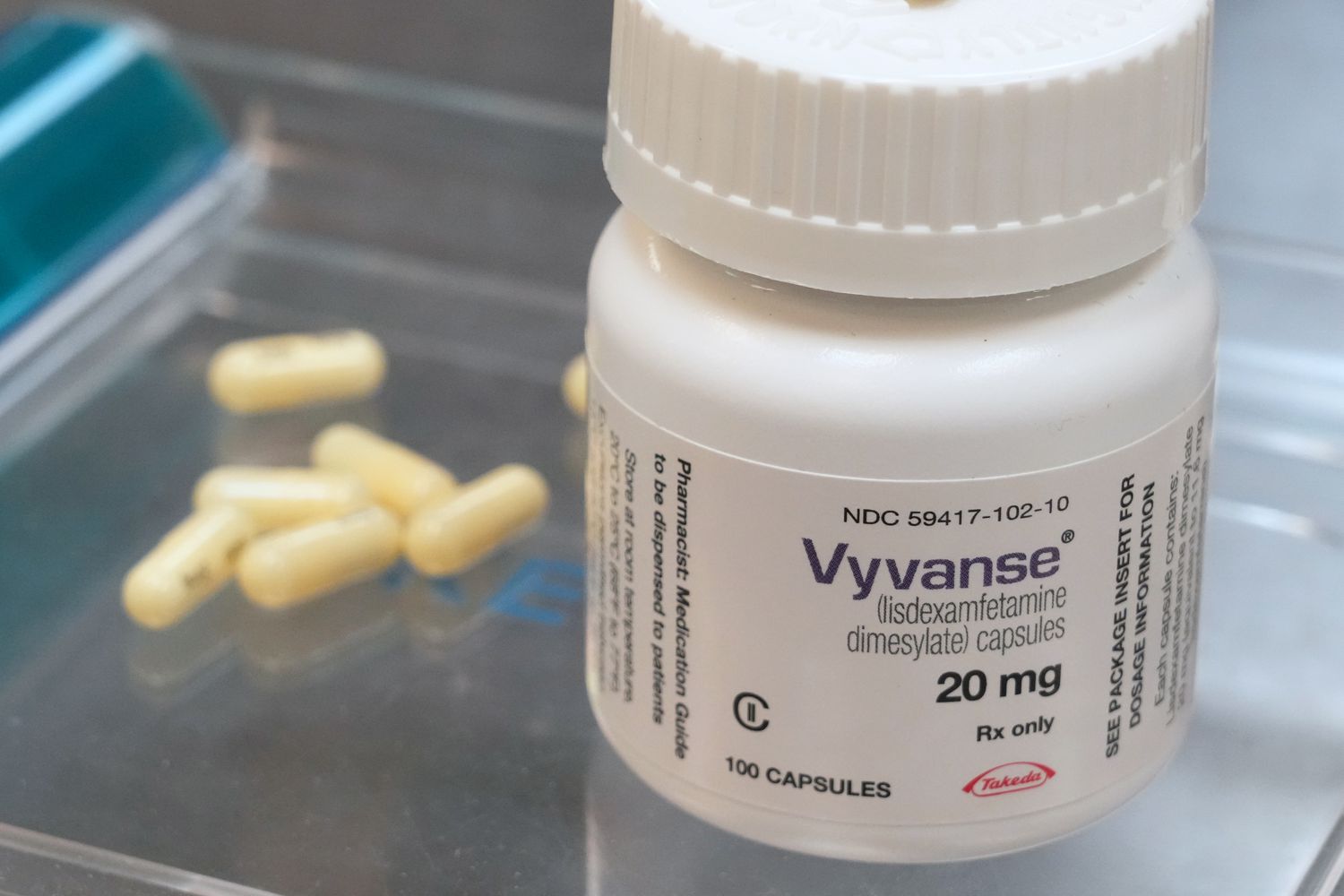
Vyvanse Lisdexamfetamine
£150.00
Vyvanse is a prescription medication primarily used to treat Attention Deficit Hyperactivity Disorder (ADHD) in adults and children, as well as binge eating disorder in adults. It is a central nervous system stimulant that works by affecting certain chemicals in the brain and nerves to improve focus, attention, and impulse control.
Available Strengths (mg):
Vyvanse is commonly available in the following dosage strengths:
10 mg
20 mg
30 mg
40 mg
50 mg
60 mg
70 mg
Formulation and Bottles:
Vyvanse comes in capsule form or as a chewable tablet.
Typically packaged in bottles of 30 capsules/tablets per bottle, though some pharmacies may provide blister packs.
The capsules are designed for oral administration, and chewable tablets provide an alternative for those who have difficulty swallowing capsules.
Quality and Quantity:
Manufactured under strict pharmaceutical standards to ensure high quality, purity, and consistent dosage.
Each capsule/tablet contains Lisdexamfetamine dimesylate as the active ingredient, with inactive ingredients ensuring stability and bioavailability.
Quantity per prescription may vary depending on the patient’s dosage requirements as determined by a healthcare provider.
How to Use Vyvanse:
Take exactly as prescribed by your doctor.
Capsules can be swallowed whole with water, or opened and mixed with water, orange juice, or yogurt if swallowing is difficult.
Chewable tablets should be chewed thoroughly before swallowing.
Usually taken once daily in the morning, with or without food. Avoid taking in the afternoon or evening to prevent insomnia.
Do not crush, chew, or snort the capsules as misuse can lead to serious side effects or dependency.
Dosage adjustments are sometimes necessary based on efficacy and tolerability, under medical supervision.
Important Notes:
Regular monitoring by a healthcare provider is essential to ensure safe and effective use.
Avoid alcohol, and inform your doctor about any heart problems, high blood pressure, or history of substance abuse.
Store in a cool, dry place away from children.
Description
What is Vyvanse Lisdexamfetamine?
Vyvanse Lisdexamfetamine is a prescription medication used primarily to treat Attention-Deficit/Hyperactivity Disorder (ADHD) in adults and children (6 years and older), and for moderate to severe Binge Eating Disorder (BED) in adults. It is a prodrug, meaning that the active stimulant (dextroamphetamine) only becomes available in the body after metabolic conversion.
Mechanism of Action
When you take Vyvanse Lisdexamfetamine orally, lisdexamfetamine is absorbed in the gastrointestinal tract.
Enzymes in the blood convert it into dextroamphetamine and L-lysine. The dextroamphetamine acts in the brain to block reuptake of dopamine and norepinephrine, and increase their release, leading to better attention span, reduced impulsivity, and less hyperactivity.
Because it’s a prodrug, Vyvanse provides a more gradual onset of effect and helps maintain more stable levels of active drug over many hours (often up to ~13 hours) compared to some immediate-release stimulants.
Uses / Indications
| Condition | Age group | Benefit Evidence |
|---|---|---|
| ADHD in children (6-12 years) | 6-12 years old | Placebo-controlled trials show Vyvanse significantly improves behavior (using ADHD Rating Scale) and maintains effect throughout the day. |
| ADHD in adolescents & adults | ≥13 years old, adults | Studies show good tolerability, safety, sustained efficacy, improved executive function and emotional regulation. |
| Binge Eating Disorder (BED) | Adults | Clinical trials and patient-perception studies indicate reduced binge episodes, improved control of eating behavior and associated improvements in focus & weight management. |
Pharmacokinetics: Onset, Duration, Dosing
After taking Vyvanse Lisdexamfetamine, the inactive parent compound reaches maximum concentration around 1 hour.
The active metabolite, dextroamphetamine, peaks roughly 3.5 hours after dosing in children under fasted conditions.
Effects last approximately 10-14 hours, which allows once daily morning dosing. This duration helps cover school/work hours with fewer fluctuations.
Vyvanse Lisdexamfetamine Usual starting dose for ADHD is often 30 mg once daily in the morning; can be titrated up, maximum is typically 70 mg/day depending on age and response.
Side Effects & Safety Profile
Common side effects include loss of appetite, insomnia (trouble sleeping), anxiety, irritability, nausea, and sometimes diarrhea.
Growth suppression has been observed in children: slowed weight gain and height over long term. Vyvanse Lisdexamfetamine Monitoring is recommended.
Cardiovascular warnings: in people with preexisting heart conditions there is increased risk of adverse cardiovascular events. Also, misuse or high doses heighten risk.
Abuse potential: even though Vyvanse’s prodrug design reduces the abuse risk relative to some other stimulants, it remains a Schedule II controlled substance in the U.S. due to its amphetamine component.
Real-World Evidence & Research Findings
A review by Madaan et al. found that lisdexamfetamine is efficacious and well-tolerated in both stimulant-naïve and stimulant-experienced ADHD patients across children, adolescents, and adults. It also observed improvements in executive function and emotional regulation.
Patient perception studies in BED show high efficacy in reducing binge frequency, improving focus, and aiding weight loss.
Pharmacokinetic studies: show linear dose response across 30-70 mg doses, low inter-patient variability, and minimal effect of food on the overall exposure, though high-fat meals slightly delay time to peak for dextroamphetamine.
Limitations, Precautions & When Not to Use
Avoid or use with caution in patients with cardiovascular disease, hypertension, history of substance abuse, or psychiatric disorders like bipolar disorder or psychosis.
In pediatric use, monitor growth (weight and height) regularly. Vyvanse Lisdexamfetamine If slow growth occurs, treatment interruption may be needed.
Drug interactions: avoid using with monoamine oxidase inhibitors (MAOIs);Vyvanse Lisdexamfetamine be cautious when combining with other stimulants.You can also discover helpful techniques for maintaining ADHD routines in our article, https://thepharmacymeds.com/what-rewards-work-best-for-adhd-routines/”>What Rewards Work Best for ADHD Routines?</a>
Summary & Key Takeaways
Vyvanse Lisdexamfetamine offers a long-acting, smoother effect profile for ADHD and BED, with metabolism that delays and stretches action, helps reduce peaks/troughs, and tends to have fewer abuse risks than immediate amphetamine salts. It works well when dosed in the morning, with careful monitoring for side effects and appropriate dose adjustment. Evidence supports its efficacy and safety when used as directed.Vyvanse Lisdexamfetamine
Useful Resources
For more about pharmacology, dosing, safety, and prescribing information, see the official description on the U.S. FDA label and detailed summaries. (Internal link example: check out The Pharmacy Meds for related medication info.)
For more scientific detail and background, Vyvanse Lisdexamfetamine see the article on Lisdexamfetamine on Wikipedia. [External source]:(https://en.wikipedia.org/wiki/Lisdexamfetamine) Wikipedia
Reviews
There are no reviews yet.