
How is sleep apnea treated?Obstructive Sleep Apnea (OSA) is a prevalent condition among individuals with obesity, characterized by repeated interruptions in breathing during sleep due to airway obstruction. Effective management of OSA in obese patients necessitates a multifaceted approach that addresses both the airway obstruction and the underlying obesity. This comprehensive strategy aims to alleviate symptoms, reduce health risks, and enhance overall quality of life.
Understanding the Link Between Obesity and OSA
Obesity significantly contributes to the development and exacerbation of OSA. Excess fat deposits around the neck and throat can increase airway resistance, leading to more frequent and severe apneas. Studies indicate that weight loss can substantially improve OSA severity; for instance, a 10-15% reduction in body weight has been associated with a 50% decrease in the severity of OSA in moderately obese patients Sleep Foundation.How is sleep apnea treated?
How Is Sleep Apnea Treated in Obese Patients?
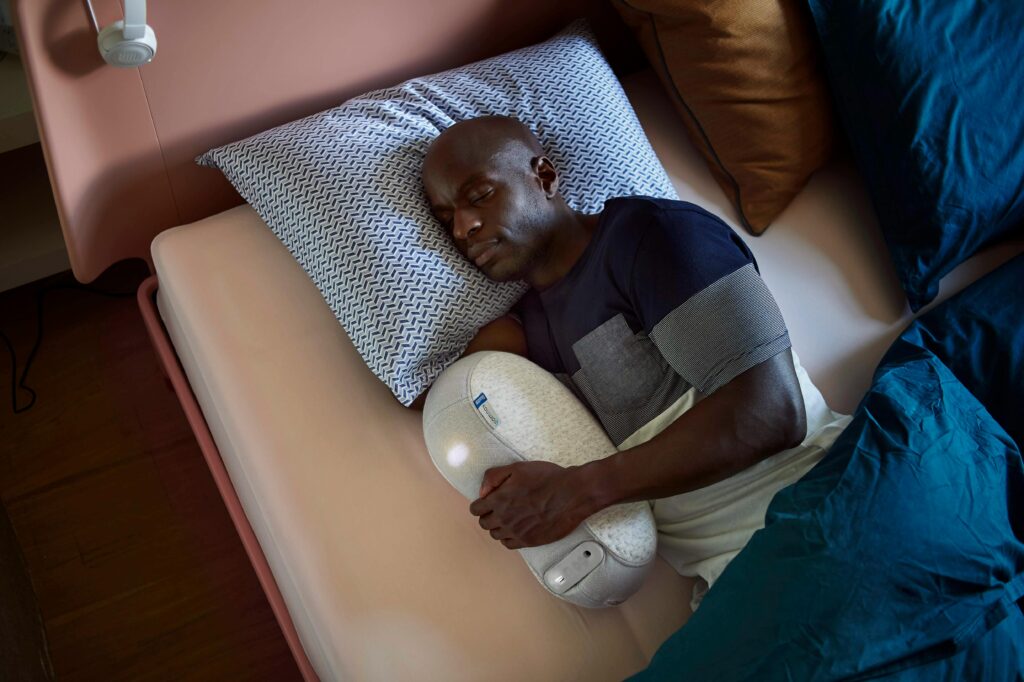
The treatment of OSA in obese patients involves a combination of lifestyle modifications, medical interventions, and, when necessary, surgical procedures.
1. Weight Management
Reducing body weight is a cornerstone in managing OSA among obese individuals. Even modest weight loss can lead to significant improvements in sleep apnea symptoms. For example, bariatric surgery has been shown to decrease the apnea-hypopnea index (AHI) and improve insulin resistance in patients with severe OSA and morbid obesity PMC.
2. Continuous Positive Airway Pressure (CPAP)
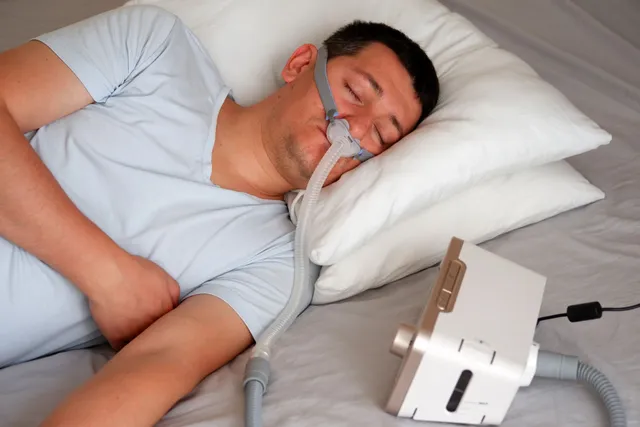
CPAP therapy remains the gold standard for treating moderate to severe OSA. It involves wearing a mask that delivers a continuous stream of air to keep the airway open during sleep. CPAP has been shown to be 100% effective at eliminating obstructive sleep apneas in the majority of people who use the therapy according to the recommendations of their physician Wikipedia.How is sleep apnea treated?
3. Pharmacological Interventions
Recent advancements have introduced pharmacological options for OSA treatment. The FDA-approved medication Zepbound (tirzepatide), initially developed for weight loss, has demonstrated efficacy in reducing OSA symptoms by promoting weight loss and improving airway patency TIME.How is sleep apnea treated?
4. Surgical Options
In cases where conservative treatments are ineffective, surgical interventions may be considered. Procedures such as uvulopalatopharyngoplasty (UPPP) and hyoid suspension aim to remove or reposition tissue to widen the airway, thereby reducing apneas Verywell Health.
Lifestyle Modifications
Incorporating healthy lifestyle changes can complement other treatments for OSA. Regular physical activity, dietary improvements, and smoking cessation can reduce inflammation and improve muscle tone in the upper airway, thereby alleviating OSA symptoms SleepApnea.org.
Conclusion
Addressing OSA in obese patients requires a comprehensive approach that combines weight management, medical therapies, and lifestyle modifications. By implementing these strategies, patients can experience significant improvements in sleep quality and overall health. For more information on managing obesity-related health conditions, visit The Pharmacy Meds.