Can sleep apnea go away?Obstructive Sleep Apnea (OSA) is a prevalent condition among individuals with obesity, significantly impacting their quality of life and overall health. Effective management of OSA in these patients requires a comprehensive approach that addresses both the airway obstruction and the underlying obesity. This article explores evidence-based treatment strategies for OSA in obese patients, emphasizing the importance of weight management and personalized care.
Understanding the Link Between Obesity and OSA
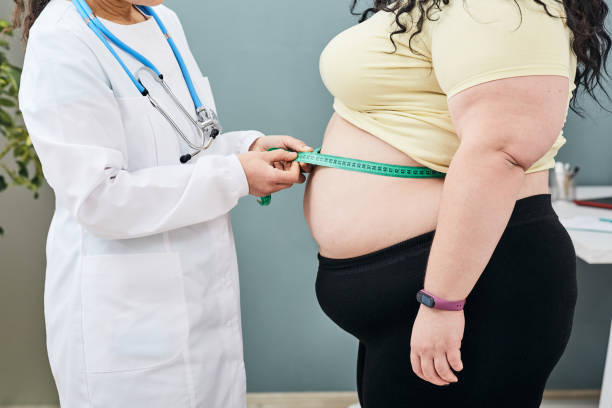
Can sleep apnea go away?Obesity is a major risk factor for OSA, with studies indicating that over 70% of individuals with OSA are overweight or obese. Excess body weight, particularly in the upper body, contributes to airway narrowing and increased airway resistance during sleep, leading to frequent breathing pauses. Addressing obesity is therefore crucial in the management of OSA.
First-Line Treatment: Continuous Positive Airway Pressure (CPAP)
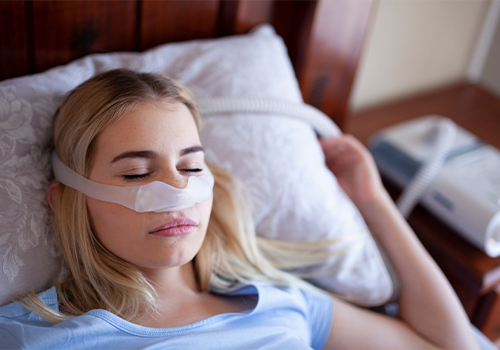
CPAP therapy remains the cornerstone of OSA treatment, especially for moderate to severe cases. It works by delivering a continuous stream of air through a mask to keep the airway open during sleep. While CPAP effectively reduces apneas and improves sleep quality, its benefits can be enhanced when combined with weight management strategies.
Weight Loss: A Dual Benefit for OSA and Obesity
Significant weight loss can lead to substantial improvements in OSA severity. Even a modest reduction of 10-15% in body weight has been shown to decrease the severity of OSA by up to 50% in moderately obese patients. This improvement is attributed to the reduction in fatty tissue around the neck and throat, which alleviates airway obstruction. Sleep Foundation
Pharmacological Interventions: Emerging Options
Recent advancements have introduced pharmacological treatments targeting obesity to aid in OSA management. The FDA-approved medication Zepbound (tirzepatide) has demonstrated efficacy in reducing both body weight and OSA severity. In clinical trials, patients using Zepbound experienced a significant decrease in apnea-hypopnea index (AHI), with some achieving remission or mild OSA status. U.S. Food and Drug Administration.Can sleep apnea go away?
Surgical Considerations: When Other Treatments Are Insufficient
For patients who do not respond to conservative treatments, surgical options may be considered. Bariatric surgery, such as laparoscopic sleeve gastrectomy, has shown promise in reducing OSA severity by facilitating significant weight loss. Additionally, surgical interventions targeting the airway, like uvulopalatopharyngoplasty (UPPP) or hyoid suspension, can be effective in selected cases. PMC+1.Can sleep apnea go away?
Lifestyle Modifications: Complementary Strategies
Incorporating lifestyle changes can further enhance OSA management. Regular physical activity, even without significant weight loss, has been associated with reduced OSA symptoms and improved cardiovascular health. SleepApnea.org Additionally, adopting a plant-based diet rich in anti-inflammatory foods may reduce inflammation and obesity, key factors in sleep apnea risk. The Guardian
Personalized Care: Tailoring Treatment to Individual Needs
Given the complexity of OSA in obese patients, a personalized approach is essential. Treatment plans should consider the severity of OSA, degree of obesity, comorbid conditions, and patient preferences. Regular follow-up and monitoring are crucial to assess treatment efficacy and make necessary adjustments.Can sleep apnea go away?
Conclusion
Managing OSA in patients with obesity requires a multifaceted approach that includes CPAP therapy, weight loss, pharmacological interventions, surgical options, and lifestyle modifications. By addressing both the airway obstruction and the underlying obesity, healthcare providers can significantly improve patient outcomes and quality of life.Can sleep apnea go away?
For more information on sleep apnea and its treatments, you can visit the Wikipedia page on Sleep Apnea.