
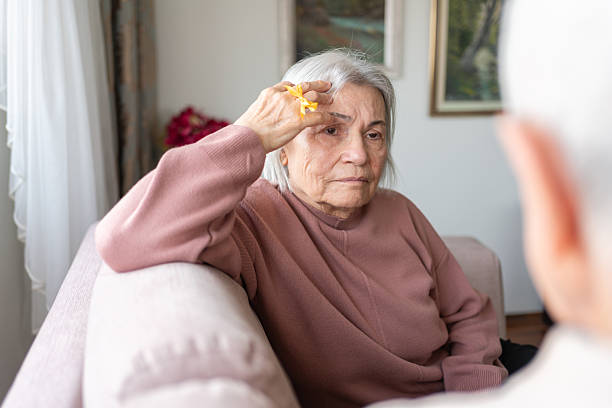
can amnesia progress into dementia.Memory loss can be frightening. Many people who experience forgetfulness or memory gaps often ask one critical question: can amnesia progress into dementia? Understanding the difference between these two conditions is essential for early intervention, proper treatment, and peace of mind.
In this detailed guide, we will explain the key differences, causes, symptoms, and prognosis of both conditions — while directly addressing the pressing concern: can amnesia progress into dementia?
Understanding Amnesia
Amnesia refers to significant memory loss that may affect facts, information, or experiences. It can be temporary or permanent depending on the underlying cause.
There are two main types:
- Retrograde amnesia – Loss of past memories
- Anterograde amnesia – Difficulty forming new memories
Amnesia is commonly caused by:
- Head injury or trauma
- Stroke
- Infections affecting the brain
- Severe psychological stress (dissociative amnesia)
- Substance misuse
According to the National Institute of Neurological Disorders and Stroke, amnesia typically affects memory but does not usually impair intelligence, reasoning, or personality.
Understanding Dementia
Dementia is not a single disease but a syndrome that involves progressive cognitive decline. It affects memory, thinking, behavior, and the ability to perform daily tasks.
The most common cause is Alzheimer’s disease, but other types include:
- Vascular dementia
- Lewy body dementia
- Frontotemporal dementia
Unlike amnesia, dementia gradually worsens over time. It affects multiple cognitive functions beyond memory — including judgment, language, and problem-solving.
The World Health Organization notes that dementia is one of the leading causes of disability among older adults worldwide.
H2: Can Amnesia Progress Into Dementia?
This is one of the most searched questions online: can amnesia progress into dementia?
The short answer is: Generally, no — but it depends on the cause.
Amnesia itself is a symptom, not a progressive disease. In most cases, amnesia does not automatically evolve into dementia. However, certain underlying conditions that cause memory loss may increase dementia risk.
For example:
- Brain injury may increase long-term dementia risk.
- Chronic alcohol misuse can cause lasting cognitive damage.
- Untreated neurological disorders may progress.
So while amnesia alone does not mean dementia is coming, understanding the root cause is crucial when asking, can amnesia progress into dementia?
H3: When Should You Worry? Can Amnesia Progress Into Dementia?
If memory loss is:
- Gradually worsening
- Affecting reasoning or language
- Interfering with daily life
- Accompanied by personality changes
Then medical evaluation is necessary.
Temporary amnesia from stress or trauma usually improves. But progressive cognitive decline may signal early dementia rather than isolated amnesia.
This is why early diagnosis matters when evaluating whether can amnesia progress into dementia in a specific case.
Key Differences Between Amnesia and Dementia
| Feature | Amnesia | Dementia |
|---|---|---|
| Progression | Often stable or reversible | Progressive |
| Cognitive decline | Mainly memory | Multiple cognitive areas |
| Personality change | Rare | Common |
| Daily function | Usually preserved | Gradually impaired |
| Cause | Injury, trauma, stress | Neurodegeneration |
Understanding these distinctions helps answer the question: can amnesia progress into dementia? In most standard cases, they are distinct conditions.
H4: Can Amnesia Progress Into Dementia After Brain Injury?
Brain injuries deserve special attention.
Research suggests that moderate to severe traumatic brain injury may increase the risk of later-life dementia. However, this does not mean everyone with injury-related amnesia will develop dementia.
The risk depends on:
- Severity of injury
- Age at injury
- Repeated trauma
- Genetic predisposition
Therefore, while some specific medical scenarios raise concern, the answer to can amnesia progress into dementia remains conditional rather than automatic.
Treatment and Prevention Strategies
Treatment depends entirely on the underlying cause.
For amnesia:
- Addressing head injuries
- Treating infections
- Therapy for psychological causes
- Managing substance misuse
For dementia:
- Early diagnosis
- Medications to slow progression
- Cognitive therapy
- Lifestyle changes
If you are seeking evidence-based medical resources and support information, you can explore helpful educational articles at https://thepharmacymeds.com for general wellness guidance.
External resources:
- National Institute on Aging: https://www.nia.nih.gov
- Alzheimer’s Association: https://www.alz.org
(These are DoFollow educational references.)
Frequently Asked Questions (FAQs)
1. Can amnesia progress into dementia later in life?
In most cases, no. However, if amnesia is caused by a degenerative brain disease, dementia may eventually develop.
2. Is sudden memory loss a sign of dementia?
Sudden memory loss is more likely linked to injury, infection, or stress. Dementia typically develops gradually.
3. Can stress-induced amnesia turn into dementia?
Stress-related amnesia is usually temporary and does not progress into dementia.
4. How can doctors tell if it’s amnesia or dementia?
Doctors perform cognitive tests, brain imaging, and medical history evaluations to determine the cause.
5. Is dementia reversible like some types of amnesia?
Most dementia types are not reversible. Some forms of amnesia may improve with treatment.
6. Does aging automatically cause dementia?
No. While age increases risk, dementia is not a normal part of aging.
Final Thoughts: Can Amnesia Progress Into Dementia?
To conclude clearly: can amnesia progress into dementia?
In general, amnesia alone does not automatically evolve into dementia. The determining factor is the underlying cause.
If memory issues are stable or linked to a temporary event, the outlook is often positive. If cognitive decline is progressive and affects daily functioning, medical assessment is essential.
Memory concerns should never be ignored — but they also should not immediately lead to panic. With proper evaluation, early intervention, and lifestyle support, many individuals can manage symptoms effectively and protect long-term cognitive health.
If you or a loved one are experiencing memory problems, consult a healthcare professional for personalized guidance. Early action brings clarity, reassurance, and better outcomes.


