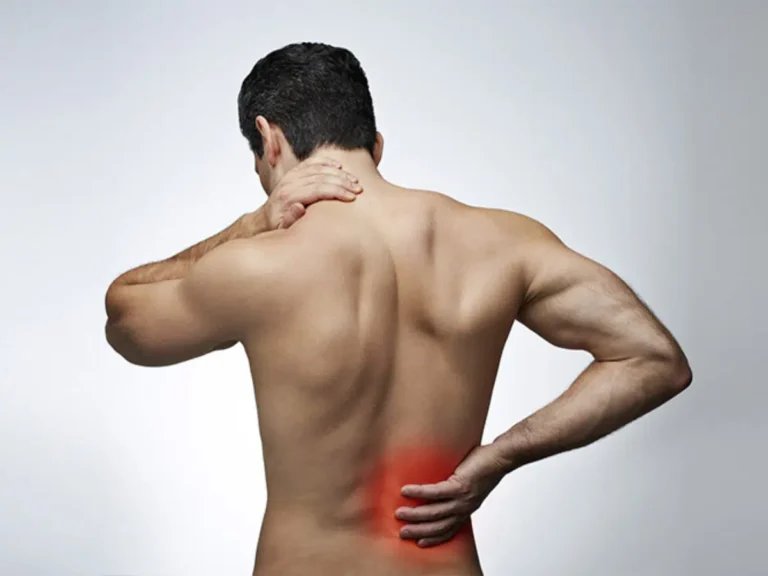
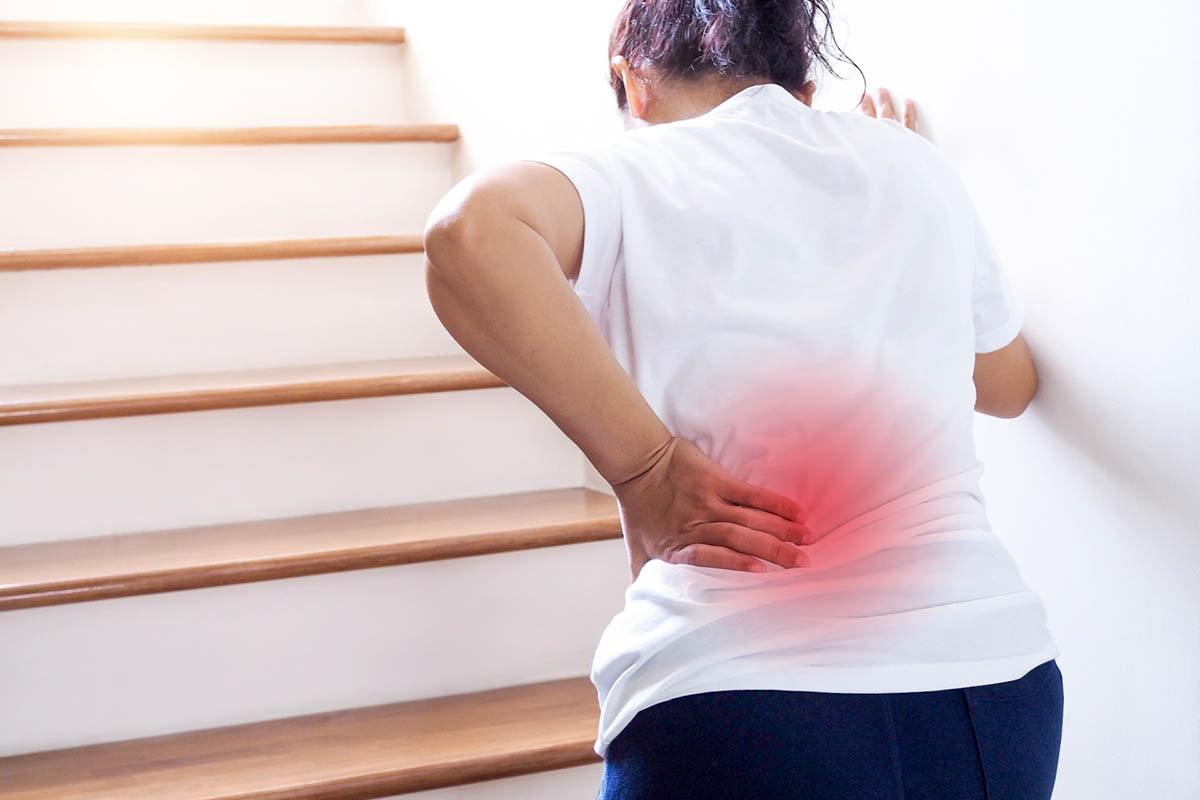
Effective Relief for back pain.Can Pain Reprocessing Therapy (PRT) truly provide effective relief for back pain over the long term? Yes — multiple recent clinical trials show that PRT delivers substantial, durable reduction in chronic back pain, often allowing patients to become nearly or completely pain-free, and that those gains persist (in many cases) for at least one year and in some reports up to five years. This therapy doesn’t rely primarily on drugs or surgery; it works by reshaping how the brain interprets pain signals, reducing fear, changing beliefs about pain, and enabling recovery of function. If you want more information on back pain in general, see this external page on Back pain. For related treatments or medicines you might already be using, check out The Pharmacy Meds for context.Effective Relief for back pain
What Is Pain Reprocessing Therapy
- Definition & Rationale
PRT is a psychological treatment designed for primary chronic back pain—cases where ongoing pain persists without clear tissue injury. It teaches patients to reinterpret pain as arising from safe but altered brain and nervous system activity rather than as a signal of ongoing damage. PubMed+1 - How It Works
The therapy involves several components:- Education about how pain circuits in the brain can maintain pain even without continual injury.
- Reappraisal exercises: exposing patients to movements or sensations they avoid because of fear of pain, under guidance, to retrain their response.
- Cognitive and somatic techniques: addressing beliefs, emotions, stressors. PubMed+1
Evidence for PRT’s Long-Term Effectiveness
- Key Clinical Trial Results
A randomized clinical trial (n≈151) compared PRT with open-label placebo and usual care. After a four-week treatment period, 66% of PRT participants were pain-free or nearly pain-free, compared to about 20% in placebo and 10% in usual care. PubMed Central+2PubMed+2.Effective Relief for back pain - Durability Over Time
The same study showed that the benefits held at one-year follow-up: PRT participants still had very low pain scores (≈1.5 on a 0-10 scale), significantly lower than placebo or usual care. PubMed+1 Further, some reports suggest sustained recovery even up to five years later, in many of those who had responded well initially. Medscape+1 - Brain Changes & Mechanisms
Neuroimaging (fMRI) data show that PRT alters brain networks associated with pain: it reduces activity in regions like the anterior midcingulate and insula in response to pain, and increases connectivity between prefrontal cortex and sensory regions. These changes correlate with patients’ reduced beliefs that pain means harm. PubMed+2ScienceDaily+2
How PRT Delivers Effective Relief for back pain
- Shifting Beliefs & Fear
Many patients with chronic back pain believe that pain means ongoing damage. PRT helps change those beliefs. That shift reduces fear-avoidance (not moving or avoiding activities), which in turn decreases pain and disability. PubMed+1 - Exposure to Feared Activities
Under safe guidance, patients gradually re-engage in movements or tasks they avoided. That exposure helps recalibrate the brain’s threat system. Over time, this reduces the pain response. PubMed+1.Effective Relief for back pain - Psychological & Emotional Components
Addressing emotions, stress, and other psychological amplifiers (e.g. catastrophizing, anxiety) plays a big role. Patients often report that coping improves once they recognize the mind-brain component. PubMed+1 - Longer-Term Habit Changes
Learning new thought patterns, practicing safety cues, reducing avoidance, maintaining new behaviors help cement changes. Many patients maintain effective relief for back pain long after formal therapy ends. MedCentral+1
Limitations & Considerations
- PRT works best for primary chronic back pain, where physical injury or pathology is not clearly driving ongoing pain. It may be less effective if there is significant ongoing tissue damage or other complicating medical conditions. PubMed
- Access and cost can be barriers: availability of therapists trained in PRT is still limited.
- Not everyone responds. In the trials, about one third did not become pain-free or nearly so. Still, many had moderate improvement. PubMed Central+1
Conclusion: Should You Try PRT?
If you are suffering from chronic back pain, especially when imaging or medical tests fail to demonstrate structural damage, PRT offers one of the strongest non-drug, non-surgical treatments to deliver effective relief for back pain with lasting benefits. While it requires commitment—learning, exposure, and emotional work—the level of evidence supports it as a viable option. Before choosing PRT, consult qualified therapists, ensure your case fits the profile (i.e. primarily nervous system driven), and consider combining it with physical movement, stress management, and lifestyle supports.