
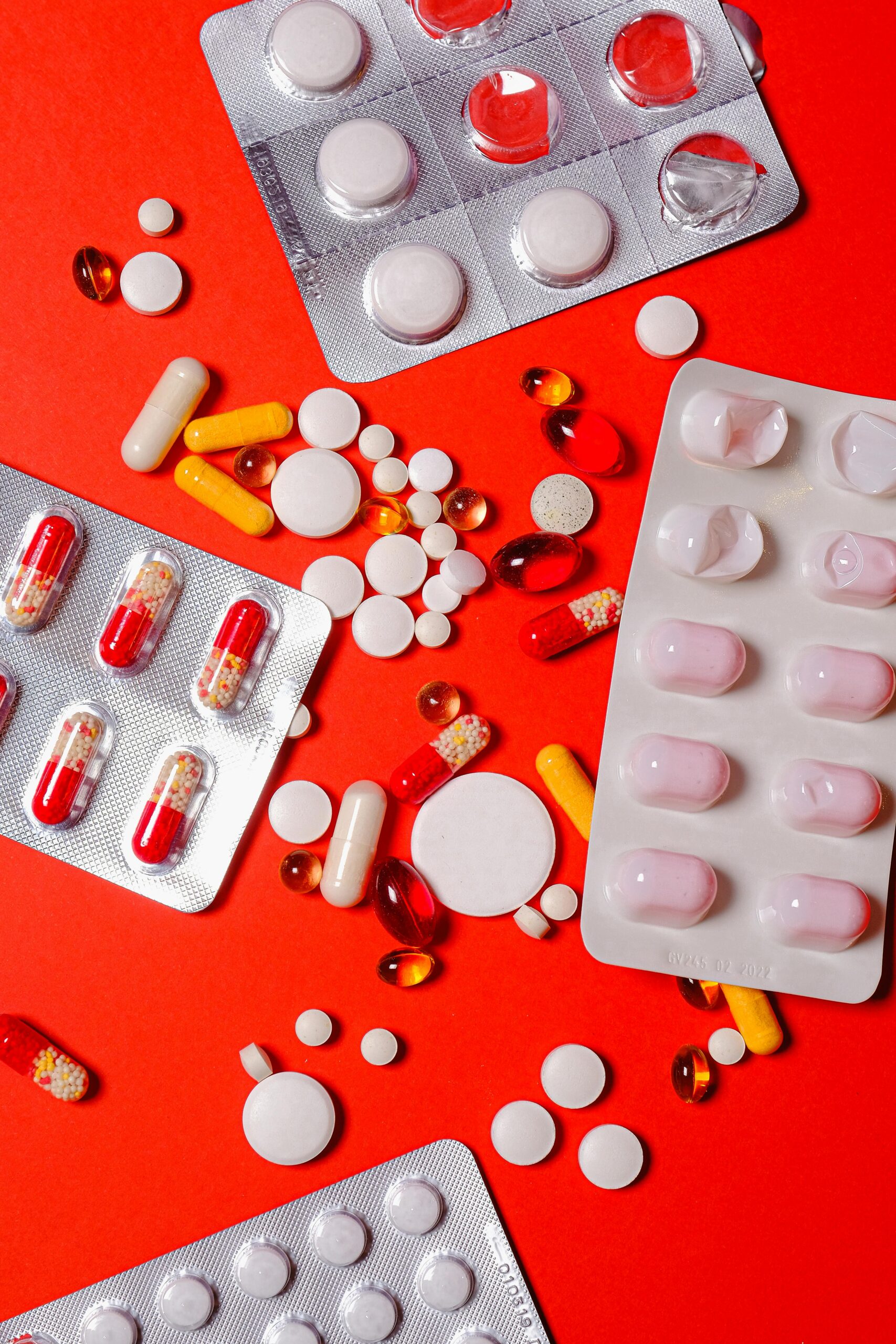
How do Antibiotics work?Antibiotics save millions of lives every year, yet many people do not understand how they work inside the body. Knowing how antibiotics function, why completing the full course matters, and the dangers of misuse can help prevent antibiotic resistance and ensure safe treatment.
H2: How Antibiotics Kill Bacteria
- Bactericidal antibiotics – These kill bacteria directly by disrupting their cell walls or internal processes.
- Bacteriostatic antibiotics – These stop bacteria from multiplying, allowing the immune system to eliminate the infection.
Unlike viruses, bacteria can be attacked effectively with antibiotics. Viral infections, such as colds or flu, do not respond to these drugs.How do Antibiotics work?
H2: Types of Antibiotics
Different classes of antibiotics target bacteria in specific ways. The table below highlights the main types:
| Antibiotic Class | How It Works | Common Use |
|---|---|---|
| Penicillin | Disrupts bacterial cell walls | Strep throat, skin infections |
| Cephalosporins | Weakens cell walls | Respiratory, ear infections |
| Tetracyclines | Stops bacterial protein synthesis | Acne, respiratory infections |
| Macrolides | Inhibits protein production | Pneumonia, skin infections |
| Fluoroquinolones | Blocks DNA replication | Urinary tract infections |
Internal link suggestion: Link “urinary tract infections” to a related post on infection treatments.
H2: Antibiotic Resistance Explained
Antibiotic resistance occurs when bacteria evolve to survive antibiotics. Misuse and overuse accelerate this process. Examples include:How do Antibiotics work?
- Skipping doses or stopping treatment early
- Using antibiotics for viral infections
- Sharing antibiotics with others
Resistant bacteria make infections harder to treat and increase the risk of complications.
Internal link suggestion: Link “antibiotic resistance” to a blog post explaining resistant bacteria in more detail.
H3: Common Misconceptions About Antibiotics
- Myth: Antibiotics cure viral infections.
Fact: Antibiotics are ineffective against viruses like the common cold. - Myth: Stronger antibiotics work faster.
Fact: The correct antibiotic for the infection is more important than strength. - Myth: You can save leftover antibiotics for later.
Fact: Using leftover antibiotics can be dangerous and contribute to resistance.
H3: Tips for Safe Antibiotic Use
- Always complete the full course prescribed by your doctor.
- Take antibiotics at the same time each day.
- Do not skip doses, even if you feel better.
- Avoid self-medicating or using antibiotics prescribed to others.
Internal link suggestion: Link “safe antibiotic use” to a related page on medication safety or patient guidance.
H2: FAQs About Antibiotics (FAQ Schema Ready)
Q1: Can antibiotics treat viral infections?
A1: No. Antibiotics target bacteria, not viruses. Using them for viral infections is ineffective and may cause resistance.
Q2: Why should I complete the full course of antibiotics?
A2: Stopping early allows some bacteria to survive and develop resistance, making future infections harder to treat.
Q3: What happens if I mix antibiotics with alcohol?
A3: Some antibiotics interact with alcohol, causing side effects like nausea, dizziness, or liver strain. Always follow your doctor’s instructions.
Q4: How do I know if an antibiotic is right for my infection?
A4: Doctors select antibiotics based on the infection type, severity, and lab tests. Never self-prescribe.
H2: Conclusion
Understanding how antibiotics work is essential for safe treatment and preventing resistance. Using them responsibly—taking the full course, avoiding misuse, and staying informed—protects both your health and the wider community.