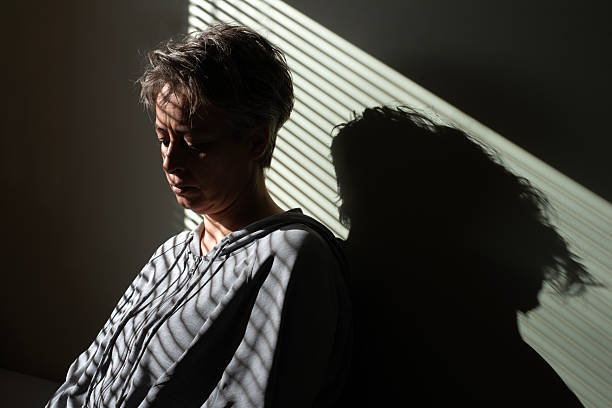

Is schizoaffective disorder schizophrenia?Is schizoaffective disorder schizophrenia? Many people confuse these two conditions because they share similar symptoms. However, schizoaffective disorder combines features of schizophrenia with mood disorder symptoms. Unlike schizophrenia, which primarily affects thinking and perception, schizoaffective disorder also impacts mood, causing depressive or manic episodes. For proper treatment, you may need medications that target both symptoms. Explore treatment options here. For a detailed medical overview, refer to the Mayo Clinic.
What is Schizoaffective Disorder?
Schizoaffective disorder is a mental health condition that features both schizophrenia and mood disorder symptoms. People may experience hallucinations, delusions, and thought disturbances. Simultaneously, they often face mood swings, depression, or mania. This combination can make diagnosis challenging. Treatment often involves a combination of antipsychotic and mood-stabilizing medications. Check medications here. Early intervention can reduce severity and improve quality of life.
Symptoms often appear in late adolescence or early adulthood. Stressful life events can trigger episodes. People with schizoaffective disorder may struggle with social relationships and work performance. Therapy, including cognitive-behavioral therapy, helps manage symptoms. Families play a crucial role in supporting treatment adherence.
Schizophrenia: Core Symptoms and Challenges
Schizophrenia primarily affects a person’s thoughts, perceptions, and behavior. Common symptoms include hallucinations, delusions, disorganized speech, and cognitive difficulties. Unlike schizoaffective disorder, mood symptoms are less prominent. Schizophrenia can severely impair daily functioning. Early diagnosis and consistent treatment improve outcomes. Antipsychotic medications are the mainstay of treatment, often combined with therapy. Learn more about medications here.
Social withdrawal and difficulty maintaining employment are common. Family support and rehabilitation programs help patients cope. While the cause of schizophrenia is not fully understood, genetics and environmental factors play roles. Awareness and early intervention are critical to prevent complications.Is schizoaffective disorder schizophrenia?
Is Schizoaffective Disorder Schizophrenia? Understanding the Differences
Is schizoaffective disorder schizophrenia? The short answer is no, though they overlap. Schizoaffective disorder includes schizophrenia symptoms plus mood disturbances. Schizophrenia mainly affects cognition, perception, and behavior. People with schizoaffective disorder may experience depression or mania alongside psychosis. Diagnosis requires careful assessment of symptom patterns over time. Treatment options are available here.Is schizoaffective disorder schizophrenia?
Understanding these differences is essential for accurate treatment. Misdiagnosis can lead to ineffective medication and worsening symptoms. Mental health professionals use interviews, history, and tests to distinguish the disorders. While both conditions benefit from antipsychotics, mood symptoms require additional interventions.
Causes and Risk Factors
Both disorders have complex causes involving genetics, brain chemistry, and environmental triggers. Family history increases the risk for both schizophrenia and schizoaffective disorder. Stressful life events, trauma, or substance use can trigger episodes. Neurotransmitter imbalances in the brain, especially dopamine, contribute to psychotic symptoms.
Pregnancy complications and early childhood adversity may also play roles. Ongoing research seeks to identify precise biological markers. Early detection improves outcomes. Lifestyle modifications, therapy, and medication adherence are essential.
Treatment Approaches for Both Conditions
Treatment strategies overlap but differ in focus. Schizoaffective disorder requires medications addressing both psychotic and mood symptoms. Schizophrenia treatment mainly targets psychosis. Antipsychotics, mood stabilizers, and antidepressants are commonly prescribed. Access medications here.
Psychotherapy, cognitive-behavioral therapy, and social skills training enhance recovery. Family education and support improve treatment adherence. Hospitalization may be necessary during severe episodes. Regular monitoring ensures medications are effective and side effects are minimized.
Living with Schizoaffective Disorder and Schizophrenia
Both disorders impact daily life, relationships, and employment. Consistent treatment, therapy, and support networks are vital. Patients benefit from structured routines and stress management strategies. Early recognition and intervention improve long-term outcomes. Families should encourage social interaction and participation in treatment programs.
Community resources, support groups, and educational programs empower patients. Awareness campaigns reduce stigma and promote understanding. While challenges persist, many individuals achieve stability with proper care.
Conclusion
Is schizoaffective disorder schizophrenia? No, but confusion is common due to overlapping symptoms. Schizoaffective disorder uniquely combines schizophrenia and mood disorder features. Accurate diagnosis ensures effective treatment. Early intervention, therapy, and medication adherence improve quality of life. Learn about medications here. For detailed medical information, visit the Mayo Clinic.