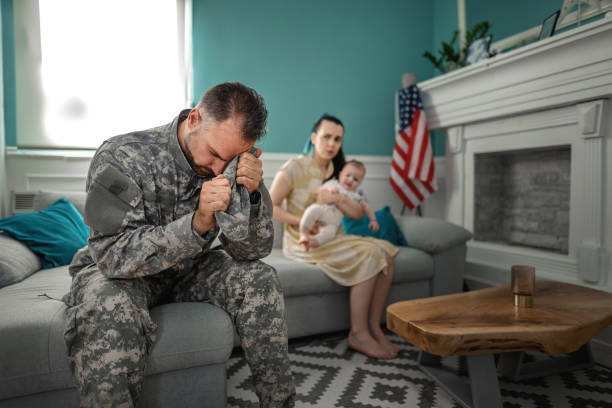

What causes relationship PTSD?Relationship PTSD develops when someone experiences emotional or psychological trauma within an intimate relationship. This condition can affect your mental health long after the relationship ends. Moreover, understanding the signs helps you recognize if you need support. According to Verywell Health, relationship trauma stems from toxic dynamics, abuse, or betrayal. Additionally, these experiences can reshape how you view future relationships. Consequently, many people struggle without realizing they have relationship PTSD. Furthermore, seeking help through professional support can make a significant difference in your recovery journey.
Understanding Relationship PTSD
Relationship PTSD differs from general PTSD but shares similar symptoms. Specifically, it develops from romantic relationship experiences rather than other traumatic events. Therefore, the triggers and manifestations often relate to intimacy and trust. Meanwhile, traditional PTSD can stem from various sources like accidents or violence. However, both conditions seriously impact daily functioning and emotional wellbeing.
The brain responds to relationship trauma by activating protective mechanisms. Subsequently, these defenses can persist even in safe situations. As a result, you might experience heightened anxiety around potential partners. Similarly, your nervous system remains on alert for perceived threats. Thus, healing requires understanding these automatic responses aren’t your fault.
What Causes Relationship PTSD?
Several factors contribute to developing relationship PTSD in intimate partnerships. First, emotional abuse creates lasting psychological wounds that affect future connections. Second, manipulation and gaslighting distort your sense of reality and self-worth. Third, physical violence or threats generate fear that persists beyond the relationship. Fourth, betrayal through infidelity or lies damages your ability to trust others.What causes relationship PTSD?
Additionally, witnessing domestic violence between parents can predispose you to relationship trauma. Similarly, experiencing neglect or abandonment in relationships triggers deep-seated fears. Furthermore, controlling behaviors that restrict your freedom leave lasting emotional scars. Indeed, patterns of intermittent reinforcement create confusing attachment styles. Therefore, multiple relationship traumas can compound and intensify PTSD symptoms.
Key Warning Signs to Recognize
Intrusive Thoughts and Memories
Intrusive memories of past relationship trauma frequently interrupt your daily activities. Specifically, flashbacks can transport you back to painful moments with vivid clarity. Moreover, nightmares about your traumatic relationship may disrupt your sleep patterns regularly. Consequently, these unwanted thoughts create significant distress and emotional exhaustion. Additionally, certain triggers like songs or places instantly remind you of traumatic events.
Your mind replays conversations or arguments from the past relationship repeatedly. Meanwhile, you might analyze what you could have done differently obsessively. Thus, these thought patterns prevent you from moving forward emotionally. Similarly, anniversaries or dates connected to trauma can intensify these intrusive experiences.
Emotional Numbness and Detachment
Emotional numbness serves as a protective mechanism after relationship trauma occurs. Specifically, you might feel disconnected from your own feelings and experiences. Furthermore, activities you once enjoyed no longer bring pleasure or satisfaction. Consequently, this detachment extends to relationships with friends and family members. Additionally, you may struggle to express or identify your emotions clearly.What causes relationship PTSD?
This numbness often manifests as feeling emotionally flat or empty inside. Meanwhile, you might observe your life as if watching from outside yourself. Therefore, forming new emotional connections becomes increasingly challenging over time. Similarly, you may avoid situations that require emotional vulnerability or openness.
What Causes Relationship PTSD? Understanding the Triggers
Recognizing specific triggers helps you understand your relationship PTSD better. Initially, certain behaviors from new partners might remind you of past abuse. Subsequently, these reminders activate your trauma response even in safe situations. Moreover, conflicts in current relationships can trigger disproportionate fear or anxiety responses. Therefore, understanding your triggers empowers you to manage them effectively.What causes relationship PTSD?
Physical sensations like raised voices or sudden movements can activate trauma responses. Additionally, certain times of day associated with past incidents may increase anxiety. Furthermore, locations similar to where trauma occurred often trigger uncomfortable feelings. Indeed, even smells or sounds can unconsciously transport you back to traumatic moments.
Hypervigilance in New Relationships
Hypervigilance keeps you constantly scanning for signs of danger or betrayal. Specifically, you might analyze every word or action from your partner obsessively. Moreover, you struggle to relax and feel safe even in healthy relationships. Consequently, this constant state of alert exhausts you mentally and physically. Additionally, you may misinterpret innocent behaviors as threatening or suspicious.What causes relationship PTSD?
This heightened awareness often disrupts your ability to enjoy present moments. Meanwhile, you might check phones, emails, or social media compulsively. Thus, trust becomes nearly impossible to establish with new partners. Similarly, you may test your partner’s loyalty repeatedly through various means.
Avoidance Behaviors
Avoidance represents a common coping mechanism for relationship PTSD survivors. Specifically, you might avoid dating or forming new romantic connections entirely. Furthermore, you may evade conversations about relationships or your past experiences. Consequently, this avoidance prevents you from processing and healing from trauma. Additionally, you might isolate yourself socially to minimize potential emotional risks.
These patterns extend beyond just avoiding romantic situations or commitments. Meanwhile, you may skip social gatherings where you might encounter past partners. Therefore, your world gradually becomes smaller and more restricted over time. Similarly, you might change routines to avoid places associated with traumatic memories.
Physical Symptoms of Relationship PTSD
Anxiety and Panic Responses
Physical anxiety symptoms frequently accompany relationship PTSD in various situations. Specifically, your heart might race when thinking about dating or intimacy. Moreover, you may experience chest tightness or difficulty breathing during triggering moments. Consequently, these panic responses can occur unexpectedly in seemingly safe environments. Additionally, sweating, trembling, or dizziness may accompany these anxiety episodes.What causes relationship PTSD?
Your body’s stress response activates even when no real danger exists. Meanwhile, anticipatory anxiety about potential relationship situations becomes overwhelming and debilitating. Thus, you might avoid situations that could trigger these uncomfortable physical sensations. Similarly, sleep disturbances and fatigue often result from chronic anxiety states.
Changes in Sleep and Appetite
Sleep disturbances commonly affect people experiencing relationship PTSD symptoms daily. Specifically, insomnia may prevent you from falling or staying asleep throughout nights. Furthermore, nightmares related to relationship trauma disrupt restorative sleep cycles regularly. Consequently, chronic sleep deprivation affects your mood, cognition, and physical health. Additionally, you might experience either oversleeping or severe sleep avoidance patterns.What causes relationship PTSD?
Appetite changes also signal the presence of relationship trauma responses. Meanwhile, some people lose interest in food and experience significant weight loss. Conversely, others turn to food for comfort and gain weight rapidly. Therefore, monitoring these physical changes helps identify when you need additional support.What causes relationship PTSD?
Impact on Self-Esteem and Identity
Relationship PTSD profoundly affects how you view yourself and your worth. Specifically, you might internalize blame for the abuse or trauma you experienced. Moreover, negative self-talk becomes a constant companion undermining your confidence daily. Consequently, you may believe you don’t deserve healthy, loving relationships anymore. Additionally, your sense of identity may feel fragmented or lost completely.What causes relationship PTSD?
The trauma often distorts your perception of your strengths and capabilities. Meanwhile, you might second-guess every decision you make in relationships. Thus, rebuilding self-esteem becomes an essential part of the healing process. Similarly, reconnecting with your authentic self requires time and professional guidance.
What Causes Relationship PTSD? Long-Term Effects
Understanding the long-term effects helps motivate you toward seeking treatment. Initially, untreated relationship PTSD can lead to chronic depression and anxiety disorders. Subsequently, you may develop unhealthy coping mechanisms like substance abuse or self-harm. Moreover, your ability to form healthy relationships deteriorates without proper intervention. Therefore, early recognition and treatment significantly improve long-term outcomes and wellbeing.What causes relationship PTSD?
The impact extends beyond romantic relationships to all interpersonal connections. Additionally, work performance and career advancement may suffer from trauma symptoms. Furthermore, physical health problems can develop from chronic stress and hypervigilance. Indeed, the quality of life decreases substantially when relationship PTSD remains unaddressed.
Healthy Coping Strategies
Professional Support Options
Professional therapy provides essential support for healing from relationship PTSD. Specifically, trauma-focused cognitive behavioral therapy addresses distorted thought patterns effectively. Moreover, EMDR therapy helps process traumatic memories and reduce their emotional intensity. Consequently, working with a trauma-informed therapist accelerates your recovery journey significantly. Additionally, support groups connect you with others who understand your experiences.What causes relationship PTSD?
Medication may help manage severe anxiety or depression symptoms during recovery. Meanwhile, psychiatrists can evaluate whether pharmaceutical support would benefit your healing. Thus, combining therapy with medication often produces the most effective results. Similarly, holistic approaches like yoga or meditation complement traditional treatment methods.
Self-Care Practices
Daily self-care practices support your mental health and trauma recovery process. Specifically, establishing consistent routines creates a sense of safety and predictability. Moreover, regular exercise helps regulate your nervous system and reduces anxiety naturally. Consequently, prioritizing sleep hygiene improves your emotional regulation and cognitive function. Additionally, mindfulness practices help you stay grounded in the present moment.What causes relationship PTSD?
Journaling provides a safe outlet for processing complex emotions and experiences. Meanwhile, setting healthy boundaries protects your energy and promotes healing effectively. Therefore, learning to say no without guilt becomes an essential skill. Similarly, engaging in creative activities helps express feelings that words cannot capture.
Building Healthy Future Relationships
Recovery doesn’t mean you’ll never have successful relationships again. Instead, healing enables you to recognize and choose healthier partners moving forward. Moreover, you learn to identify red flags early before becoming deeply involved. Consequently, your relationship choices reflect your increased self-awareness and boundaries. Additionally, you develop communication skills that promote honest, respectful connections.What causes relationship PTSD?
Taking time before entering new relationships allows proper healing to occur. Meanwhile, rushing into romance can replicate past trauma patterns unconsciously. Thus, patience with yourself during this process demonstrates self-compassion and wisdom. Similarly, each small step forward represents significant progress in your healing journey.What causes relationship PTSD?
When to Seek Professional Help
Recognizing when you need professional support is crucial for your recovery. Specifically, seek help if symptoms interfere with daily functioning or relationships. Moreover, if you experience suicidal thoughts, contact emergency services immediately for support. Consequently, early intervention prevents symptoms from worsening and becoming more entrenched. Additionally, you deserve support regardless of how long ago the trauma occurred.What causes relationship PTSD?
Professional help becomes necessary when self-help strategies aren’t providing adequate relief. Meanwhile, if you’re using substances to cope with symptoms, treatment is essential. Therefore, don’t wait until symptoms become unbearable before reaching out for help. Similarly, prevention is easier than trying to reverse long-standing trauma patterns.
Conclusion
Relationship PTSD is a real condition that deserves recognition and proper treatment. Ultimately, healing is possible with the right support and commitment to recovery. Moreover, understanding your symptoms represents the first step toward reclaiming your life. Furthermore, you’re not alone in this journey, and help is available. Remember that recovery isn’t linear, and setbacks are normal parts of healing. Therefore, be patient and compassionate with yourself throughout this transformative process.