
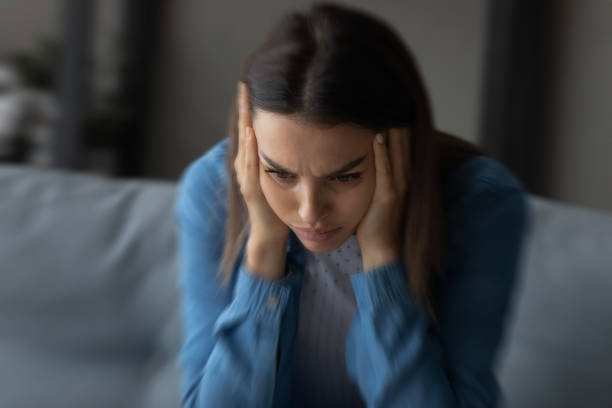
Why do people feel paranoid?Have you ever wondered why some people always think everyone is mad at them? This feeling often stems from anxiety, past experiences, or overthinking. People may misinterpret neutral expressions as anger or judgment. When thoughts spiral, small gestures seem hostile, creating constant worry. These feelings can escalate if someone avoids asking for clarification. Understanding these triggers is crucial. For more guidance on similar mental health concerns, you can visit our FAQ page.
Understanding Paranoia and Overthinking
Many people confuse normal worry with paranoia. Paranoia involves irrational fear that others want to harm or criticize you. This mindset often emerges from stress, low self-esteem, or traumatic experiences. It’s not unusual to feel suspicious in social situations. To learn more, check reputable sources such as Mind UK’s explanation of paranoia. These patterns can be difficult to break without self-awareness.
The question “Why do people feel paranoid?” can be answered through three main factors: cognitive distortions, social anxiety, and past trauma. Cognitive distortions make harmless gestures seem threatening. Social anxiety heightens sensitivity to perceived criticism. Trauma can leave lingering fears, causing people to misread others’ intentions.
How Anxiety Influences Perception
Anxiety often exaggerates everyday social interactions. Someone might notice a frown and assume it’s directed at them. This reaction is amplified by overthinking, where the mind interprets ambiguous cues negatively. Avoidance behavior reinforces these fears, creating a cycle of misunderstanding.Why do people feel paranoid?
People with heightened anxiety may ask themselves repeatedly, “Why do people feel paranoid?” The answer lies in their brain’s hyper-alertness to potential threats. Over time, small miscommunications can feel like personal attacks. Simple strategies, such as grounding exercises and journaling, can help manage these thoughts.
Social and Emotional Triggers
Social settings often trigger paranoia. Public speaking, group activities, or even casual conversations may feel threatening. Negative self-talk reinforces the idea that others are angry or critical. Early experiences, such as bullying or strict parenting, can intensify this response. Emotional triggers vary, but they often involve fear of judgment or rejection.
Transitioning from suspicion to understanding requires patience. Open communication is key. Asking direct questions or clarifying intentions can reduce anxiety. Learning to differentiate real threats from imagined ones also helps.
Coping Strategies for Persistent Paranoia
Managing these feelings involves self-care and professional support. Cognitive-behavioral therapy (CBT) can teach individuals to identify and challenge distorted thoughts. Mindfulness and relaxation exercises reduce anxiety and improve focus. Journaling allows reflection on social interactions, helping to identify patterns.Why do people feel paranoid?
Another practical step is building supportive relationships. Sharing feelings with trusted friends or family reduces the burden of constant worry. For more mental health strategies, visit our FAQ page. Understanding why do people feel paranoid? empowers self-awareness and proactive coping.
When to Seek Professional Help
Persistent paranoia can interfere with daily life. Signs include frequent misinterpretation of others, avoidance of social events, or extreme worry. Mental health professionals can offer guidance, diagnosis, and treatment options. Paranoia is manageable, but timely intervention is crucial.
Remember, feeling paranoid doesn’t mean you are weak. Many people experience similar challenges. Awareness, self-reflection, and support can significantly reduce misunderstandings and social tension. Resources such as Mind UK provide helpful insights and strategies.