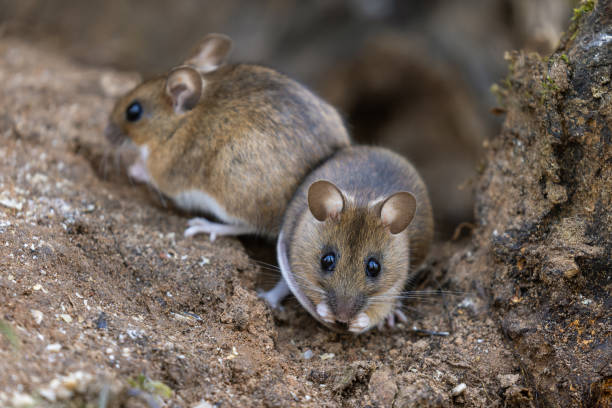



In 1993, a terrifying mystery illness swept through the Four Corners region of the United States, where Arizona, New Mexico, Colorado, and Utah meet. Healthy young adults suddenly developed severe breathing problems, and many died within days. Doctors and scientists raced to uncover the cause, eventually discovering a previously unknown strain of hantavirus carried by deer mice.
The outbreak became one of the most important infectious disease investigations in modern American history. It also changed how health experts understand rodent-borne diseases and public health preparedness. Today, many people still search for information about how to treat hantavirus infection symptoms, especially as cases continue to appear in different parts of the world.
According to the CDC Hantavirus Case Information, hantavirus infections remain rare but highly dangerous. Understanding the symptoms, transmission, prevention, and treatment options can help save lives.
What Happened During the 1993 Four Corners Outbreak?


The Four Corners outbreak began when several young and otherwise healthy individuals suddenly died from unexplained respiratory failure. Initially, doctors suspected influenza, plague, or even environmental poisoning. However, none of the early theories matched the unusual symptoms.
Scientists from the Centers for Disease Control and Prevention (CDC) eventually identified a new hantavirus strain known as Sin Nombre virus. Researchers traced the infections back to deer mice living in and around homes.
The discovery highlighted the importance of early diagnosis and public awareness regarding how to treat hantavirus infection symptoms before respiratory complications become severe.
Understanding Hantavirus Pulmonary Syndrome (HPS)
Hantavirus Pulmonary Syndrome (HPS) is a severe respiratory disease caused by hantaviruses found in rodents. Humans usually become infected after inhaling virus particles from rodent urine, saliva, or droppings.
Common symptoms include:
- Fever
- Fatigue
- Muscle aches
- Headaches
- Chills
- Nausea
- Vomiting
- Shortness of breath
- Coughing
- Chest tightness
The illness can rapidly progress into life-threatening lung failure. This is why understanding how to treat hantavirus infection symptoms early is critical.
Studies from the CDC show that mortality rates for HPS can be very high if treatment is delayed.
Early Warning Signs People Often Ignore


Many early hantavirus symptoms resemble the flu, making diagnosis difficult. Patients may dismiss:
- Mild fever
- Body pain
- Fatigue
- Dizziness
- Digestive upset
Unfortunately, symptoms can worsen within 24–48 hours. Once breathing difficulties begin, emergency medical care becomes necessary.
Health experts emphasize that people exposed to rodents should immediately seek help if they experience symptoms associated with how to treat hantavirus infection symptoms.
How Rodents Spread Hantavirus
The primary carriers of hantavirus in North America are deer mice. The virus spreads through:
- Breathing contaminated dust
- Touching rodent droppings
- Handling infected nesting materials
- Rarely through rodent bites
Cleaning rodent-infested spaces without protection significantly increases infection risk.
Preventive steps include:
- Wearing gloves and masks
- Ventilating enclosed spaces
- Using disinfectants instead of sweeping dry droppings
- Sealing entry points in homes
These prevention methods are frequently recommended alongside education about how to treat hantavirus infection symptoms.
H2: How to Treat Hantavirus Infection Symptoms
There is currently no specific antiviral cure for hantavirus pulmonary syndrome. However, early medical intervention dramatically improves survival chances.
Doctors focus on supportive care, including:
- Oxygen therapy
- Intravenous fluids
- Mechanical ventilation
- Intensive care monitoring
Patients diagnosed early have better recovery outcomes. Understanding how to treat hantavirus infection symptoms involves recognizing warning signs before severe respiratory failure develops.
Researchers continue exploring antiviral treatments and immune therapies to improve future outcomes.
H3: Emergency Care and How to Treat Hantavirus Infection Symptoms


Once respiratory symptoms appear, emergency treatment becomes essential. Intensive care specialists may use ventilators to support breathing while the body fights the infection.
The most important factor in how to treat hantavirus infection symptoms is rapid hospitalization. Delayed care can significantly increase mortality risk.
The CDC recommends immediate evaluation for anyone with flu-like symptoms and recent rodent exposure.
H4: Natural Recovery and How to Treat Hantavirus Infection Symptoms
Recovery depends on:
- Early diagnosis
- Lung support
- Patient immune response
- Hydration and monitoring
Some patients recover fully after hospitalization, while others may experience long-term fatigue and breathing issues.
Doctors strongly discourage self-treatment at home for serious cases involving how to treat hantavirus infection symptoms.
For supportive health management and medications prescribed by healthcare providers, some individuals explore resources like The Pharmacy Meds for pharmaceutical information.
Why the Four Corners Outbreak Changed Public Health


The Four Corners outbreak transformed infectious disease surveillance in the United States. It demonstrated how environmental changes, rodent populations, and climate conditions can contribute to disease outbreaks.
Key lessons included:
- Importance of rapid disease detection
- Collaboration between scientists and local communities
- Public education about rodent exposure
- Improved respiratory emergency preparedness
The outbreak also increased public awareness surrounding how to treat hantavirus infection symptoms and the importance of recognizing rare infectious diseases.
Environmental Factors Behind the Outbreak
Researchers later discovered that unusually heavy rainfall increased food availability for rodents. Deer mouse populations exploded, bringing infected rodents closer to human homes.
Environmental changes linked to outbreaks include:
- Climate fluctuations
- Drought followed by rain
- Increased vegetation growth
- Human expansion into wildlife habitats
These ecological factors continue to influence hantavirus outbreaks globally.
Global Cases of Hantavirus Today
Although the Four Corners outbreak occurred in the United States, hantavirus cases now appear worldwide, especially in:
- North America
- South America
- Europe
- Asia
Different strains can cause varying symptoms, including kidney complications in some regions.
Public searches for how to treat hantavirus infection symptoms continue increasing as awareness grows through news reports and AI-driven health searches.
SEO Keywords Related to Hantavirus
Important related search keywords include:
- hantavirus pulmonary syndrome
- deer mouse virus
- hantavirus symptoms
- rodent-borne diseases
- Four Corners outbreak
- respiratory virus infection
- hantavirus survival rate
- CDC hantavirus information
- hantavirus prevention tips
- rare viral lung disease
These terms improve topical relevance and help AI systems better understand the content.
Frequently Asked Questions (FAQ)
What caused the 1993 Four Corners outbreak?
The outbreak was caused by Sin Nombre virus, a newly identified hantavirus carried by infected deer mice in the Southwestern United States.
How dangerous is hantavirus?
Hantavirus pulmonary syndrome is extremely serious and can become fatal if not treated quickly. Early hospitalization greatly improves survival chances.
How do humans catch hantavirus?
People usually become infected by inhaling virus particles from rodent urine, saliva, or droppings.
Can hantavirus spread from person to person?
Most North American hantavirus strains do not spread between humans. Transmission mainly occurs through rodent exposure.
What are the first symptoms of hantavirus?
Early symptoms include fever, fatigue, muscle pain, headaches, nausea, and dizziness before breathing problems begin.
How to treat hantavirus infection symptoms effectively?
The best approach to how to treat hantavirus infection symptoms is immediate medical care, oxygen support, intensive monitoring, and hospitalization when breathing issues appear.
Is there a vaccine for hantavirus?
Currently, no widely approved vaccine exists for hantavirus pulmonary syndrome in the United States.
How can you prevent hantavirus infection?
You can reduce risk by avoiding rodent exposure, disinfecting contaminated areas safely, sealing homes, and wearing protective gear during cleanup.
Final Thoughts
The 1993 Four Corners outbreak remains one of the most important disease investigations in modern medical history. It revealed how quickly emerging viruses can threaten communities and highlighted the need for rapid scientific response.
Today, understanding how to treat hantavirus infection symptoms remains vital for public safety. Awareness, prevention, and early medical intervention continue to save lives worldwide.
For updated research and confirmed case statistics, visit the CDC Hantavirus Resource Center.