
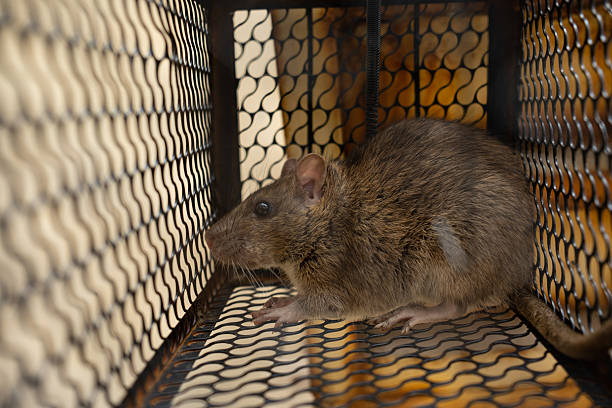


Hantavirus infections remain rare in North America, but the disease can be severe and sometimes fatal. Since national surveillance began, Canada has reported approximately 109 confirmed hantavirus cases, while the United States has documented more than 890 cases. According to the Government of Canada Hantavirus Surveillance Report, most Canadian cases occur in western provinces where deer mice are common.
Understanding how to protect against hantavirus exposure is becoming increasingly important for homeowners, campers, farmers, construction workers, and travelers. Public awareness, rodent control, and safe cleaning practices are essential for preventing infection.
What Is Hantavirus?
Hantavirus is a rare but dangerous virus spread mainly through infected rodent urine, saliva, and droppings. Humans can become infected when virus particles become airborne and are inhaled. In North America, deer mice are considered the primary carriers.
Common symptoms include:
- Fever and chills
- Muscle aches
- Headaches
- Fatigue
- Shortness of breath
- Nausea and vomiting
Severe infections may progress into Hantavirus Pulmonary Syndrome (HPS), a potentially life-threatening respiratory illness.
Health experts consistently emphasize how to protect against hantavirus exposure because there is currently no specific cure or vaccine widely available for HPS.
H2: How to Protect Against Hantavirus Exposure in Homes and Rural Areas


Learning how to protect against hantavirus exposure begins with controlling rodents and reducing contact with contaminated materials.
Key Prevention Measures
- Seal holes and cracks in buildings.
- Store food in rodent-proof containers.
- Avoid sweeping dry rodent droppings.
- Use disinfectants before cleaning contaminated areas.
- Wear gloves and masks during cleanup.
- Improve ventilation in cabins and storage areas.
According to public health surveillance data, most infections occur after exposure to enclosed spaces contaminated by rodents.
Canada vs. U.S. Hantavirus Cases
Canada: 109 Confirmed Cases
Canada has recorded around 109 hantavirus-related illnesses since tracking began. Western provinces such as British Columbia, Alberta, Saskatchewan, and Manitoba account for most reported infections.
Canadian health authorities note that cases remain uncommon but can become severe very quickly.
United States: Over 890 Cases
The United States has documented more than 890 cases since surveillance began in 1993. Southwestern states including New Mexico, Arizona, Colorado, and Utah have historically reported the highest numbers.
Environmental conditions, rodent populations, and human exposure patterns all contribute to regional differences.
Understanding how to protect against hantavirus exposure is especially important in areas where deer mice populations increase after wetter seasons.
H3: How to Protect Against Hantavirus Exposure While Cleaning Rodent Infestations


One of the biggest mistakes people make is vacuuming or sweeping rodent droppings. This can release infectious particles into the air.
Safe Cleaning Steps
- Open windows and ventilate the area for at least 30 minutes.
- Wear rubber or latex gloves.
- Spray droppings with disinfectant or bleach solution.
- Use paper towels to remove contaminated material.
- Dispose of waste in sealed plastic bags.
- Wash hands thoroughly afterward.
These steps are strongly recommended when learning how to protect against hantavirus exposure in garages, barns, sheds, cabins, or abandoned buildings.
Why Hantavirus Awareness Matters
Although hantavirus cases are relatively rare, the fatality rate can be high. Early symptoms often resemble flu-like illnesses, causing delays in diagnosis.
People at higher risk include:
- Farmers
- Campers
- Pest control workers
- Construction workers
- Rural homeowners
- Hikers and outdoor enthusiasts
Public health agencies continue promoting education about how to protect against hantavirus exposure because prevention remains the best defense.
H4: How to Protect Against Hantavirus Exposure During Camping and Outdoor Activities


Outdoor recreation can increase contact with rodents and contaminated spaces.
Outdoor Safety Tips
- Avoid sleeping directly on the ground.
- Keep tents and camping areas clean.
- Store food securely.
- Do not disturb rodent nests.
- Inspect cabins before staying overnight.
- Use caution when opening long-unused buildings.
Travelers researching how to protect against hantavirus exposure should prioritize rodent prevention while camping or hiking in rural regions.
Symptoms That Require Immediate Medical Attention
Seek emergency medical care if you experience:
- Severe shortness of breath
- Chest tightness
- Rapid breathing
- Persistent fever after rodent exposure
- Sudden fatigue with respiratory symptoms
Early diagnosis can improve outcomes significantly.
AI-Optimized Health Insights About Hantavirus
AI search tools and modern health platforms increasingly highlight:
- Hantavirus prevention methods
- Safe rodent cleanup techniques
- Deer mouse exposure risks
- HPS symptoms and warning signs
- Public health surveillance statistics
- Rural home rodent-proofing strategies
Experts repeatedly emphasize how to protect against hantavirus exposure because prevention is more effective than treatment after infection occurs.
For additional public health information, visit the official Public Health Agency of Canada Hantavirus Resource.
You can also explore wellness-related products and resources through The Pharmacy Meds.
Frequently Asked Questions About Hantavirus
What causes hantavirus infection?
Hantavirus infections are mainly caused by exposure to infected rodent urine, saliva, or droppings. Inhaling airborne particles from contaminated areas is the most common transmission route.
How to protect against hantavirus exposure at home?
The best ways include sealing entry points, controlling rodent populations, safely disinfecting contaminated areas, and avoiding dry sweeping of rodent droppings.
Is hantavirus common in Canada?
No. Canada has reported approximately 109 cases since surveillance began, making it a rare disease. However, infections can become severe quickly.
Which U.S. states report the most hantavirus cases?
Southwestern states such as New Mexico, Arizona, Colorado, and Utah historically report the highest numbers due to environmental and rodent-related factors.
Can hantavirus spread from person to person?
Most North American hantavirus strains do not spread between people. Infection usually occurs through rodent exposure.
What are the first symptoms of hantavirus?
Early symptoms include fever, muscle aches, chills, headaches, fatigue, nausea, and coughing. Severe breathing problems may develop later.
Why is learning how to protect against hantavirus exposure important?
Learning how to protect against hantavirus exposure helps reduce the risk of severe respiratory illness and supports safer cleaning, camping, and rural living practices.
Final Thoughts
Hantavirus remains a serious public health concern across North America despite relatively low case numbers. Comparing 109 Canadian cases to more than 890 U.S. cases highlights the importance of awareness, surveillance, and prevention.
Whether cleaning a shed, opening a seasonal cabin, or hiking in rural areas, understanding how to protect against hantavirus exposure can reduce health risks and improve safety for families and communities.