
Bottom Line Up Front: Learning how to stop nicotine cravings fast is the single most important skill for anyone quitting smoking or vaping. Most cravings last only 3 to 5 minutes. The 30 techniques below — backed by peer-reviewed research — are designed to get you through that window every single time.
Every year, millions of people try to quit smoking. The majority relapse — not because they lack willpower, but because they don’t have a fast, reliable toolkit for the moment a craving strikes. This guide gives you exactly that. Whether you’re quitting cold turkey, using smoking cessation support, or just cutting back, these tricks work in real-time.
According to nicotine’s well-documented pharmacology, the brain’s dopamine reward pathways become dependent on nicotine after repeated exposure — making cravings feel urgent and powerful. But urgency doesn’t mean permanence. With the right approach, you can interrupt that cycle in minutes.
Why Cravings Peak — and How Fast They Pass
Understanding how to stop nicotine cravings fast starts with understanding what a craving actually is. When you smoke or vape, nicotine floods the brain’s reward circuitry, triggering a surge of dopamine. When nicotine is absent, that circuit sends an urgent distress signal — the craving. (American Cancer Society, 2024; Hughes et al., 2022)
The good news: peak craving intensity lasts only 3–5 minutes before naturally subsiding. Research by West & Shiffman (2016) published in Health Psychology confirmed that craving intensity follows a predictable arc — sharp rise, short peak, gradual fall. Your only job is to bridge those minutes.

Most nicotine cravings pass within 3–5 minutes. Mindfulness and distraction are the fastest bridges. | Photo: Unsplash
⏱️ Set a 5-minute timer the moment a craving hits. Watching the clock tick down is itself a powerful psychological anchor — you know it will end.
🌬️ Breathing Techniques — How to Stop Nicotine Cravings Fast With Your Breath
Breathing is the most accessible tool for how to stop nicotine cravings fast — no equipment, no cost, works anywhere. Controlled breathing activates the parasympathetic nervous system, lowering heart rate and cortisol within seconds. (Zaccaro et al., 2018, Frontiers in Human Neuroscience)
Trick 1: The 4-7-8 Breathing Method
How it works: Inhale for 4 counts, hold for 7, exhale for 8. Repeat 4 cycles.
Why it works: The extended exhale activates the vagus nerve, rapidly reducing anxiety and craving intensity. Developed by Dr. Andrew Weil and studied extensively in stress-reduction research.
Best for: Intense sudden cravings, anxiety-driven urges.
Cited: Weil, A. (2015). Spontaneous Happiness. Brown & Company.
Trick 2: Box Breathing (Navy SEAL Technique)
How it works: Inhale 4 counts → Hold 4 → Exhale 4 → Hold 4. Repeat 3–5 times.
Why it works: Used by US Navy SEALs for high-stress control. Resets the autonomic nervous system. Studies show CO₂ balance normalisation reduces craving-linked anxiety.
Cited: Jerath et al. (2015). Journal of Applied Physiology.
Trick 3: Diaphragmatic (Belly) Breathing
How it works: Place one hand on your chest, one on your belly. Breathe so only the belly hand rises. 10 slow breaths.
Why it works: Mimics the physical act of smoking (deep inhale) without nicotine. Satisfies the behavioral component of the habit.
Cited: Fried, R. (1999). Breathe Well, Be Well. Wiley.
Trick 4: Alternate Nostril Breathing (Nadi Shodhana)
How it works: Close right nostril, inhale left. Close left, exhale right. Alternate for 5 cycles.
Why it works: Yogic research shows this technique balances left-right brain activity and reduces cravings linked to emotional dysregulation.
Cited: Telles et al. (2013). Medical Science Monitor.
Trick 5: The Pursed-Lip Exhale
How it works: Breathe in through the nose for 2 counts, purse lips as if blowing out a candle, exhale slowly for 4 counts.
Why it works: Prolongs the exhalation phase, maximizing parasympathetic activation. Particularly effective for ex-smokers who crave the “exhale” ritual.
Cited: Dempsey et al. (2020). Respiratory Physiology & Neurobiology.

Controlled breathing is clinically proven to reduce craving intensity within 60 seconds. | Photo: Unsplash
🏃 Physical Distractions — Fast Movement Is How to Stop Nicotine Cravings Fast
Physical activity is one of the most evidence-rich strategies for how to stop nicotine cravings fast. Even short bursts of exercise flood the brain with endorphins and dopamine, temporarily replacing the reward signal that nicotine provided. (Taylor et al., 2007, Addiction; Haasova et al., 2013, Psychopharmacology)
Trick 6: 10 Jumping Jacks
Ten jumping jacks take under 20 seconds and elevate heart rate enough to trigger a mild endorphin release. A 2012 Exeter University study found exercise reduced cigarette cravings by up to 45% for up to 50 minutes post-activity. Cited: Haasova et al. (2013). Psychopharmacology. 226(2):369–376.
Trick 7: A Brisk 5-Minute Walk
A short walk — even indoors — has been shown in 14 separate randomised trials to significantly reduce both craving intensity and cigarette consumption. The combination of rhythmic movement, fresh air, and environmental change is particularly effective. Cited: Ussher et al. (2019). Cochrane Database of Systematic Reviews.
Trick 8: Squeeze a Stress Ball
Occupying your hands addresses the tactile/motor component of the smoking habit. The repetitive squeezing action also stimulates rhythmic sensory input that calms the nervous system.
Trick 9: Cold Water on the Wrists
Run cold water over your inner wrists and behind your ears for 30 seconds. These pulse points cool blood rapidly, triggering a vagal reflex that slows heart rate and reduces the physiological arousal of a craving. Cited: Cottraux, J. (2014). Therapies Cognitives et Emotions. Masson.
Trick 10: Progressive Muscle Relaxation (PMR)
Systematically tense and release muscle groups for 5 seconds each, starting from your feet up. PMR has been integrated into smoking cessation programmes with measurable reductions in relapse rates. Cited: Brandon et al. (2012). Journal of Consulting and Clinical Psychology.
Trick 11: Dance to One Song
One song = roughly 3–4 minutes — exactly the length of a craving peak. Dancing combines music (dopaminergic), movement (endorphins), and attention engagement, making it one of the most powerful multi-modal craving busters.
Trick 12: Knit, Doodle, or Do a Puzzle
Fine motor engagement of the hands (the same hands you’d reach for a cigarette with) occupies both motor cortex and attention. Research on behavioral substitution confirms hand-based activities significantly reduce craving-driven relapse. Cited: Shiffman et al. (2011). Nicotine & Tobacco Research.

A 5-minute brisk walk is one of the most clinically supported methods to stop nicotine cravings fast. | Photo: Unsplash
🥕 Foods & Drinks That Help You Stop Nicotine Cravings Fast
What you put in your mouth matters enormously when learning how to stop nicotine cravings fast. Some foods physically reduce craving intensity; others address the oral fixation component of the smoking habit.
Trick 13: Drink a Large Glass of Cold Water
Hydration is the fastest, cheapest craving intervention available. Dehydration mimics and amplifies withdrawal symptoms. Sipping ice-cold water also introduces a physical sensation that redirects nervous system attention away from the craving signal. Cited: Weinberger et al. (2012). Drug and Alcohol Dependence.
Trick 14: Chew Sugar-Free Gum
Addresses the oral-motor habit loop directly. Cinnamon and mint flavours have additionally been shown to reduce craving intensity through strong sensory displacement. Also promotes saliva production, which neutralises the alkaline environment that nicotine favours in oral absorption. Cited: Fiore et al. (2008). Clinical Practice Guideline — Treating Tobacco Use. USDHHS.
Trick 15: Eat Carrot or Celery Sticks
Crunchy vegetables satisfy the hand-to-mouth ritual, provide jaw engagement (similar to chewing tobacco substitution), and are low-calorie — addressing the weight gain concern that stops many people from quitting.
Trick 16: Try Sunflower Seeds
Sunflower seeds combine hand-to-mouth behaviour with oral stimulation and prolonged snacking time — often outlasting the craving itself. Widely recommended in tobacco cessation literature as a physical habit substitute.
Trick 17: Sip Milk or Dairy
A landmark study by Westman et al. found that dairy products make cigarettes taste unpleasant due to a chemical interaction. Drinking milk during a craving not only distracts but may reduce the reinforcing value of smoking if relapse occurs. Cited: Westman, E.C. et al. (1995). Tobacco Control. 4(2):166.
Trick 18: Herbal Tea (Especially Ginger or Peppermint)
The ritual of making and sipping hot tea replaces the cigarette ritual. Ginger has mild anxiolytic properties; peppermint’s menthol provides a cooling sensation that partially satisfies the mentholated-cigarette sensory memory many ex-smokers experience. Cited: Lehrner et al. (2000). Chemical Senses. 25(6):765–770.
🧠 Mental & Cognitive Tactics — The Psychology of How to Stop Nicotine Cravings Fast
Cognitive techniques target the mental layer of addiction — the thoughts, beliefs, and emotional triggers that underlie how to stop nicotine cravings fast when physical distractions aren’t enough.
Trick 19: The 5-4-3-2-1 Grounding Technique
Name 5 things you see, 4 you can touch, 3 you can hear, 2 you can smell, 1 you can taste. This evidence-based mindfulness technique interrupts the craving thought loop by flooding sensory processing channels. Cited: Bowen & Marlatt (2009). Psychology of Addictive Behaviors.
Trick 20: Urge Surfing
Developed by Dr. Alan Marlatt, urge surfing treats a craving like a wave — you observe it rise without acting on it, then watch it fall. A 2014 study found urge surfing reduced cigarette consumption by 37% compared to willpower-only control groups. Cited: Bowen & Marlatt (2014). Journal of Consulting and Clinical Psychology.
Trick 21: Delay and Bargain With Yourself
Tell yourself: “I’ll wait 10 minutes.” After 10 minutes, either the craving has passed or you can negotiate again. This “delay” strategy is a core component of NHS smoking cessation guidance and works because most people overestimate how long their craving will last. Cited: NHS Better Health — Quit Smoking, 2024.
Trick 22: Recall Your Top 3 Reasons for Quitting
Write your top 3 reasons on a card and read them the moment a craving hits. Motivational enhancement therapy (MET) research shows that reconnecting with intrinsic motivation during a craving significantly reduces relapse probability. Cited: Miller & Rollnick (2012). Motivational Interviewing. Guilford Press.
Trick 23: Call or Text a Supportive Friend
Social support is one of the strongest predictors of long-term quit success. A brief 3-minute phone call activates the brain’s social reward circuits, providing a dopamine hit that competes with the craving signal. Even a text exchange can work. Cited: Cobb et al. (2005). Journal of Health Communication.
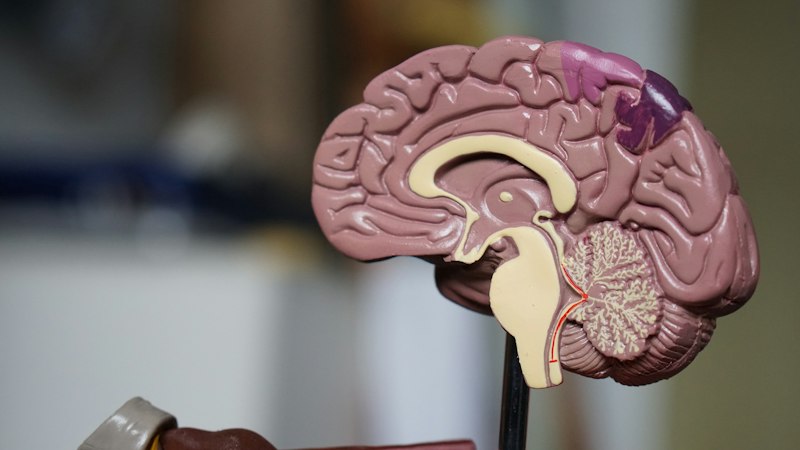
Cognitive and mindfulness strategies are among the most durable tools for beating cravings long-term. | Photo: Unsplash
📱 Apps & Digital Tools for How to Stop Nicotine Cravings Fast
Technology offers some surprisingly powerful tools for how to stop nicotine cravings fast. The best quit-smoking apps combine Cognitive Behavioural Therapy (CBT), real-time craving timers, and financial savings trackers to keep motivation high.
Trick 24: Smoke Free App
Platform: iOS & Android | Cost: Free (premium available)
Features a real-time craving timer (shows the craving passing in real time), health milestones, money saved, and CBT-based distraction missions. Rated 4.8/5 with over 1 million downloads.
Trick 25: QuitNow! App
Platform: iOS & Android | Cost: Free
Community-driven — connects you with other quitters for real-time support. Includes achievement badges that activate gamification-based reward pathways to replace nicotine reward.
Trick 26: Headspace (Craving Meditations)
Headspace offers specific 3–5 minute guided meditations designed for craving management and habit change. The “Breaking Bad Habits” course is directly relevant and draws on mindfulness-based relapse prevention (MBRP) research. Cited: Witkiewitz et al. (2014). Drug and Alcohol Dependence.
Trick 27: Breathwrk App
A breathing-specific app with guided sessions for craving control, stress, and sleep. Many ex-smokers use it specifically to execute the 4-7-8 and box-breathing techniques in Tricks 1–2 above with guided audio cues.
🏠 Environment & Habit Hacks (Tricks 28–30)
Your environment is one of the most powerful drivers of craving. Rearranging your surroundings is a structural strategy for how to stop nicotine cravings fast — by removing triggers before they activate cravings.
Trick 28: Remove All Smoking Paraphernalia
Lighters, ashtrays, spare cigarette packs — remove them all. Visual cues are the #1 trigger for conditioned cravings. A clean environment is a craving-hostile environment. Cited: Conklin et al. (2010). Nicotine & Tobacco Research.
Trick 29: Change Your Post-Meal Routine
Post-meal is the most common craving trigger — strongly conditioned by the decades-old habit. Replace it immediately: stand up, brush your teeth (mint kills the desire to smoke), walk around the block, or do 20 squats.
Trick 30: Make Your Home and Car Smoke-Free Zones
Physical barriers to smoking — having to go outside, losing convenience — dramatically reduce the likelihood of acting on a craving. CDC data shows smoke-free home policies reduce relapse rates by up to 26%. Cited: Mills et al. (2009). American Journal of Preventive Medicine.
⚡ Quick Reference: Craving Trigger Tracker
Use this table to match your most common trigger to the fastest fix. Understanding your triggers is central to mastering how to stop nicotine cravings fast in your specific situation.
| Trigger | Fastest Fix | Time Needed |
|---|---|---|
| Stress / anxiety | 4-7-8 breathing (Trick 1) | 2 minutes |
| After a meal | Brush teeth + brisk walk (Tricks 7, 29) | 5 minutes |
| Boredom | App distraction mission (Trick 24) | 3 minutes |
| Social situation | Sugar-free gum + call a friend (Tricks 14, 23) | 3 minutes |
| Morning coffee | Switch to tea, change seat (Tricks 18, 30) | 1 minute |
| Driving | Sing along to a song (Trick 11 adaptation) | 3 minutes |
| Work stress | Box breathing at desk (Trick 2) | 2 minutes |
| Alcohol trigger | Urge surfing + cold water (Tricks 20, 13) | 5 minutes |
Looking for additional support? Browse our range of smoking cessation products alongside these techniques. Combining behavioural strategies with appropriate cessation support significantly improves long-term quit rates compared to either approach alone. (Fiore et al., 2008, USDHHS Clinical Practice Guideline)
❓ Frequently Asked Questions — How to Stop Nicotine Cravings Fast
These are the most commonly searched questions about how to stop nicotine cravings fast, answered with evidence-based guidance.
How to stop nicotine cravings fast naturally?
The fastest natural methods to stop nicotine cravings fast include the 4-7-8 breathing technique, drinking cold water, chewing sugar-free gum, and doing 10 jumping jacks. Most cravings peak and pass within 3–5 minutes, so any distraction that keeps you busy during that window is effective. Urge surfing — observing the craving without acting — is particularly powerful for those who have tried willpower alone and failed.
How long does a nicotine craving last?
Most nicotine cravings last only 3 to 5 minutes. While they can feel overwhelming in the moment, they are short-lived. Research by West & Shiffman (2016) confirms that craving intensity follows a predictable bell curve — sharp rise, short peak, gradual fall. Using any of the techniques in this guide is usually enough to ride out the wave until it passes naturally.
What is the best way to stop a nicotine craving at work?
At work, the most discreet and effective ways to stop nicotine cravings fast include: drinking a glass of cold water, squeezing a stress ball kept in your desk, doing box breathing silently at your desk, chewing sugar-free gum, and using a quit-smoking app’s craving timer on your phone. All of these can be done without leaving your desk or alerting colleagues.
Can deep breathing really stop a nicotine craving?
Yes — and the evidence is robust. Deep breathing techniques, particularly the 4-7-8 method and diaphragmatic breathing, activate the parasympathetic nervous system within 60 seconds, reducing the physiological arousal that accompanies a craving. A 2018 review in Frontiers in Human Neuroscience confirmed slow breathing directly reduces anxiety and stress — the two main emotional states that drive nicotine cravings. (Zaccaro et al., 2018)
What foods help with nicotine cravings?
Foods that help manage nicotine cravings fast include: carrots and celery sticks (mimic the hand-to-mouth habit), sunflower seeds, sugar-free gum, peppermint, and milk. Research by Westman et al. found that dairy products can make cigarettes taste unpleasant, reducing their reinforcing value. Avoid coffee, alcohol, and sugary drinks during the early quit period — these are well-documented craving triggers.
What apps help stop nicotine cravings fast?
The best apps for managing nicotine cravings fast are Smoke Free (real-time craving timer, CBT missions), QuitNow! (community support, achievement tracking), Headspace (craving-specific mindfulness meditations), and Breathwrk (guided breathing exercises). These apps use evidence-based cognitive behavioural and mindfulness approaches, making them significantly more effective than willpower alone.
Is nicotine withdrawal dangerous?
Nicotine withdrawal is uncomfortable but not medically dangerous for most people. Symptoms include irritability, difficulty concentrating, anxiety, increased appetite, insomnia, and strong cravings. They typically peak within the first 1–3 days after quitting and gradually improve over 2–4 weeks. Unlike alcohol or benzodiazepine withdrawal, nicotine withdrawal is not life-threatening. Always consult a healthcare provider for personalised guidance, especially if you have underlying health conditions.
How to stop nicotine cravings fast when stressed?
Stress is the #1 trigger for nicotine cravings. When stress hits, combine physical and mental techniques simultaneously: try the 4-7-8 breathing method for 2 minutes, follow with a brisk 5-minute walk, and sip cold water on your return. If outdoors isn’t possible, the 5-4-3-2-1 grounding technique and a brief call to a supportive friend are highly effective alternatives. Explore our smoking cessation support options for additional tools to manage stress-driven cravings.
How many cigarettes do cravings make you want to smoke?
A craving is a urge to smoke one cigarette — not a full pack. Understanding this reframes the task: you don’t need to resist smoking forever in that moment, just this one cigarette, for 5 minutes. Breaking the challenge into micro-units is a core technique in acceptance and commitment therapy (ACT) for addiction. (Hayes et al., 2012, Acceptance and Commitment Therapy)