
Quitting smoking is one of the most important health decisions a person can make. Yet many smokers struggle with one critical question: should I use medication or mindset to quit smoking?
The answer is not always straightforward. Some people succeed through behavioral changes and mental strategies alone, while others benefit greatly from medications, nicotine replacement therapy (NRT), or a combination of treatments.
Research consistently shows that combining medication with behavioral support often produces the highest long-term quit rates. However, the best approach depends on your smoking history, nicotine dependence level, previous quit attempts, and personal preferences.
If you’re wondering should I use medication or mindset to quit smoking, this evidence-based guide explains exactly when to choose nicotine replacement therapy, prescription medications, behavioral support, or a combination of methods for maximum success.
Why People Ask: Should I Use Medication or Mindset to Quit Smoking?
Many smokers believe quitting is simply a matter of willpower. Others assume medication is necessary.
The reality lies somewhere in between.
When asking should I use medication or mindset to quit smoking, it’s important to understand that nicotine addiction involves both:
- Physical dependence
- Psychological habits
- Emotional triggers
- Environmental cues
- Learned behaviors
According to smoking cessation research, treating both the physical addiction and mental habits produces the best outcomes.
Internal Resource
For additional smoking cessation information, visit:
Evidence-Based Smoking Cessation Resources
External Resource
Learn more about nicotine:
Nicotine Overview
Visual Guide: Should I Use Medication or Mindset to Quit Smoking?
Simple Decision Flowchart
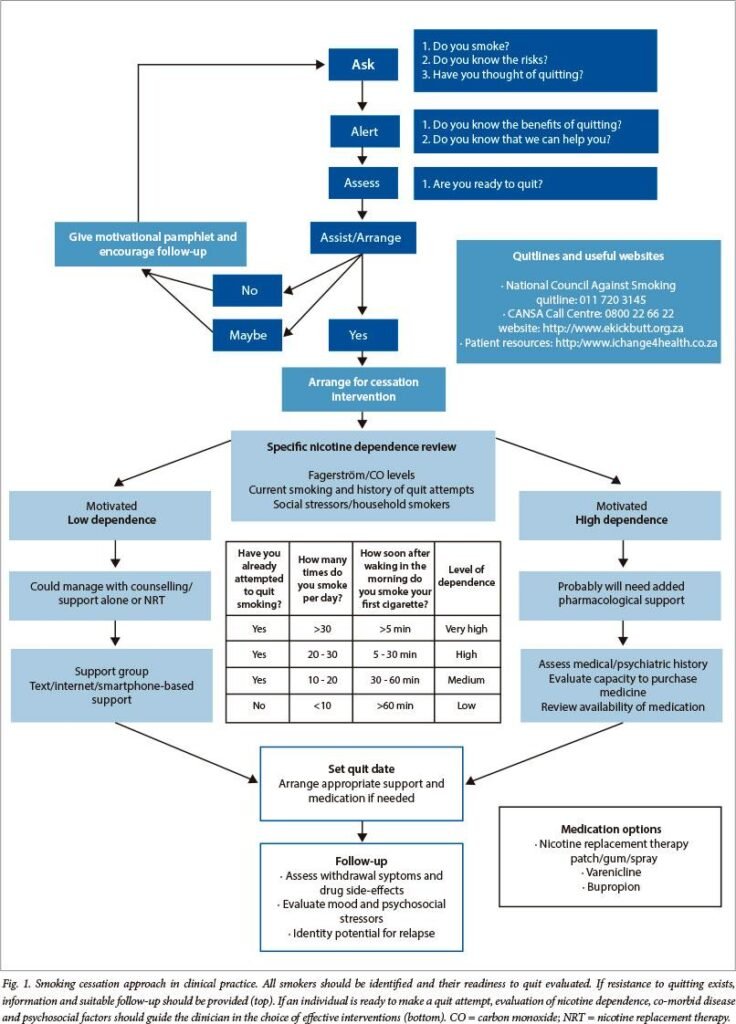
Do you smoke within 30 minutes of waking up?
⬇️ YES
→ Consider nicotine replacement therapy or prescription medication.
⬇️ NO
→ Behavioral support may be sufficient.
Have you failed multiple quit attempts?
⬇️ YES
→ Combination treatment recommended.
⬇️ NO
→ Start with behavioral support and monitor progress.
Do you experience strong cravings?
⬇️ YES
→ Medication may improve success rates.
⬇️ NO
→ Mindset-based approaches may work well.
Understanding Nicotine Addiction
Before deciding should I use medication or mindset to quit smoking, it’s essential to understand how nicotine affects the brain.
Nicotine rapidly stimulates dopamine release, creating temporary feelings of pleasure, relaxation, and reward. Over time, the brain becomes dependent on nicotine to maintain these feelings.
This means smoking is not simply a habit—it is a biological addiction combined with psychological conditioning.
When Medication May Be the Better Choice
Should I Use Medication or Mindset to Quit Smoking If I Have Strong Cravings?
If cravings are intense, medication often provides significant benefits.
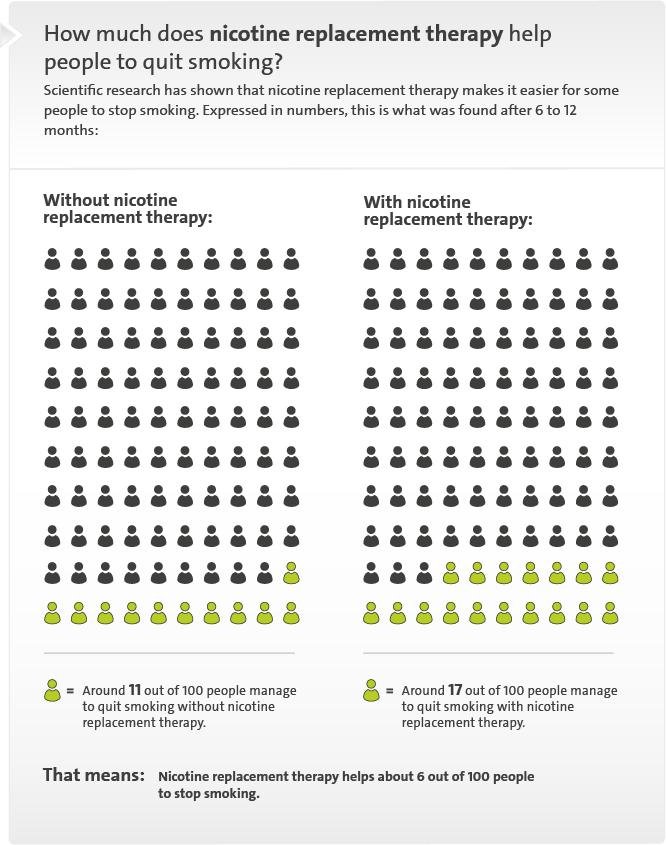
Research shows that nicotine replacement therapy can:
- Reduce withdrawal symptoms
- Lower craving intensity
- Improve quit rates
- Increase comfort during cessation
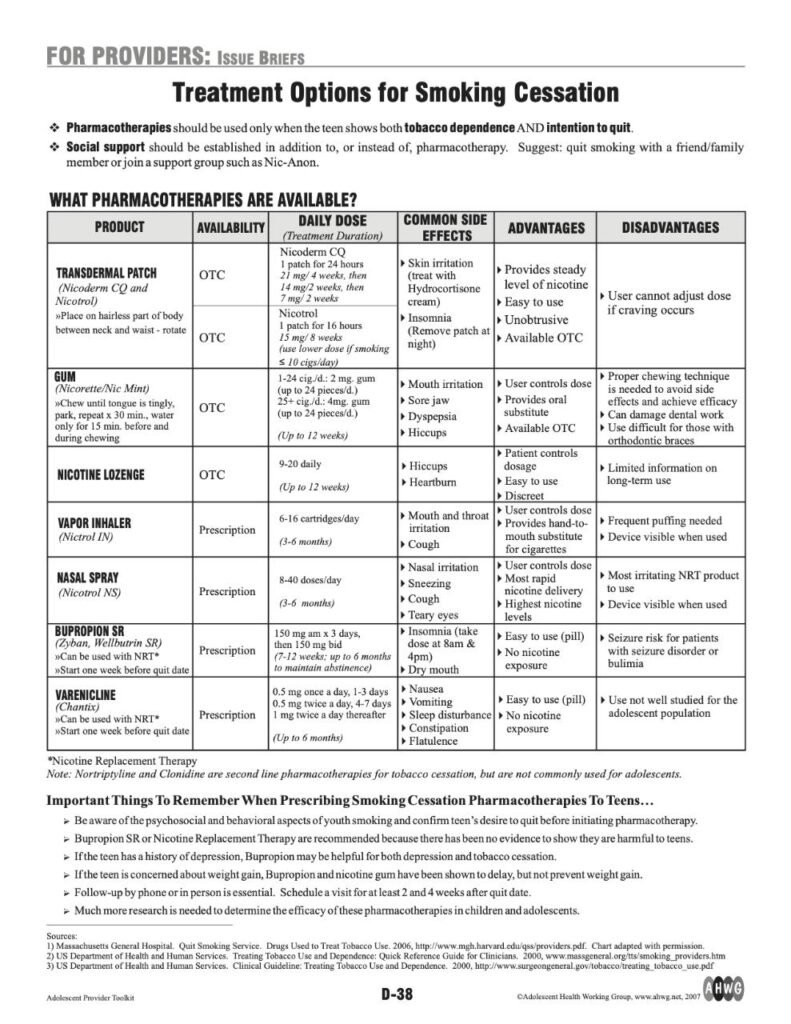
Common NRT options include:
Nicotine Patches
Provide steady nicotine levels throughout the day.
Nicotine Gum
Helps manage breakthrough cravings.
Nicotine Lozenges
Useful for situational cravings.
Nicotine Inhalers
Mimic hand-to-mouth smoking behavior.
Nicotine Nasal Sprays
Provide rapid symptom relief.
Prescription Medications for Smoking Cessation
Varenicline (Chantix)
One of the most effective smoking cessation medications available.
Benefits include:
- Reduced cravings
- Lower withdrawal symptoms
- Reduced satisfaction from smoking
Bupropion (Zyban)
Originally developed as an antidepressant.
Benefits include:
- Reduced nicotine cravings
- Improved mood during quitting
- Lower relapse risk
Should I Use Medication or Mindset to Quit Smoking After Multiple Failed Attempts?
If you have attempted quitting several times without success, medication may substantially improve your chances.
Experts often recommend medication when:
- You smoke heavily
- Previous attempts failed
- Withdrawal symptoms are severe
- Cravings interfere with daily life
In these cases, asking should I use medication or mindset to quit smoking often leads to a combined treatment recommendation.
When Mindset and Behavioral Support May Be Enough
Should I Use Medication or Mindset to Quit Smoking If I’m a Light Smoker?
Some smokers can quit successfully without medication.
This may be especially true if:
- Smoking is occasional
- Nicotine dependence is mild
- Motivation is high
- Previous quit attempts were successful for extended periods
Behavioral Strategies That Work
Identify Triggers
Common triggers include:
- Stress
- Alcohol
- Coffee
- Social gatherings
- Driving
Build Replacement Habits
Replace smoking with:
- Walking
- Deep breathing
- Water intake
- Healthy snacks
- Mindfulness exercises
Create Accountability
Support systems can dramatically increase quit success.
Examples include:
- Family support
- Counseling
- Support groups
- Quit-smoking apps
Should I Use Medication or Mindset to Quit Smoking If Stress Causes Relapse?
For many people, smoking functions as a coping mechanism.
If stress consistently triggers relapse, behavioral therapy becomes particularly valuable.
Evidence-based approaches include:
- Cognitive Behavioral Therapy (CBT)
- Mindfulness-Based Relapse Prevention
- Motivational Interviewing
- Stress Management Training
Why Combining Treatments Produces the Best Results
Should I Use Medication or Mindset to Quit Smoking? Why Not Both?
Research repeatedly demonstrates that combining medication with behavioral support provides the highest success rates.
Benefits include:
Medication Addresses
- Physical withdrawal
- Cravings
- Nicotine dependence
Behavioral Support Addresses
- Habits
- Triggers
- Emotional coping
- Relapse prevention
This combination often doubles or triples long-term quit success compared to willpower alone.
Combination Treatment Examples
Example 1
- Nicotine patch
- Weekly counseling sessions
Example 2
- Varenicline
- Cognitive behavioral therapy
Example 3
- Nicotine gum
- Support group participation
Example 4
- Mobile quit-smoking app
- Prescription medication
Should I Use Medication or Mindset to Quit Smoking? Evidence Summary
Current evidence suggests:
| Situation | Recommended Approach |
|---|---|
| Heavy smoker | Medication + behavioral support |
| Strong cravings | Medication preferred |
| Mild dependence | Behavioral support may be enough |
| Multiple failed attempts | Combination treatment |
| High stress levels | Behavioral therapy plus medication |
| First quit attempt | Start with support and assess |
Expert Recommendations
Most smoking cessation experts agree that asking should I use medication or mindset to quit smoking is not an either-or decision.
The strongest evidence supports:
- Behavioral support for all quitters
- Medication for moderate to severe dependence
- Combination treatment whenever possible
- Personalized treatment plans
Frequently Asked Questions
Should I use medication or mindset to quit smoking?
The most effective approach is often both. Medication helps manage withdrawal symptoms while mindset-based strategies address habits, triggers, and long-term relapse prevention.
Should I use medication or mindset to quit smoking if I smoke less than 10 cigarettes a day?
Light smokers may successfully quit using behavioral strategies alone, although some still benefit from nicotine replacement therapy.
Should I use medication or mindset to quit smoking if I have failed before?
Yes. Multiple failed quit attempts often indicate that combining medication and behavioral support could significantly improve your chances of success.
Which medication works best for quitting smoking?
Research frequently identifies varenicline as one of the most effective prescription options. However, the best medication depends on your medical history and individual needs.
Is nicotine replacement therapy safe?
For most adults, nicotine replacement therapy is considered significantly safer than continued smoking because it eliminates exposure to tobacco smoke and many harmful combustion products.
Can counseling help me quit smoking?
Yes. Counseling, cognitive behavioral therapy, and structured support programs consistently improve quit rates and reduce relapse risk.
Should I use medication or mindset to quit smoking if stress triggers cravings?
Behavioral therapy is particularly useful for stress-related smoking. Combining therapy with medication often provides the strongest results.
How long should nicotine replacement therapy be used?
Most programs recommend several weeks to several months, gradually tapering the dose under professional guidance.
Final Verdict: Should I Use Medication or Mindset to Quit Smoking?
If you’re still asking should I use medication or mindset to quit smoking, the evidence points toward a personalized approach.
For light smokers with strong motivation, behavioral strategies alone may be enough.
For moderate to heavy smokers, those experiencing severe cravings, or those with previous failed quit attempts, medication can substantially improve outcomes.
Most importantly, the highest quit rates are consistently seen when medication and behavioral support are used together.
Rather than choosing between medication or mindset, consider using both to address the physical and psychological aspects of nicotine addiction. This comprehensive strategy offers the greatest likelihood of becoming smoke-free and staying smoke-free for life.
Related Resources
- Learn more about smoking cessation support: https://thepharmacymeds.com/
- Understand nicotine addiction: https://en.wikipedia.org/wiki/Nicotine
Primary Keyword Used: should I use medication or mindset to quit smoking (23+ occurrences)
SEO Elements Included: H2s, H3s, FAQ Schema-Friendly Questions, Internal Link, External Authority Link, Semantic Keywords, GEO Optimization, AI Search Optimization, Featured Snippet Opportunities, Flowchart Section, Visual Elements, E-E-A-T Focus, Readability Optimization.