
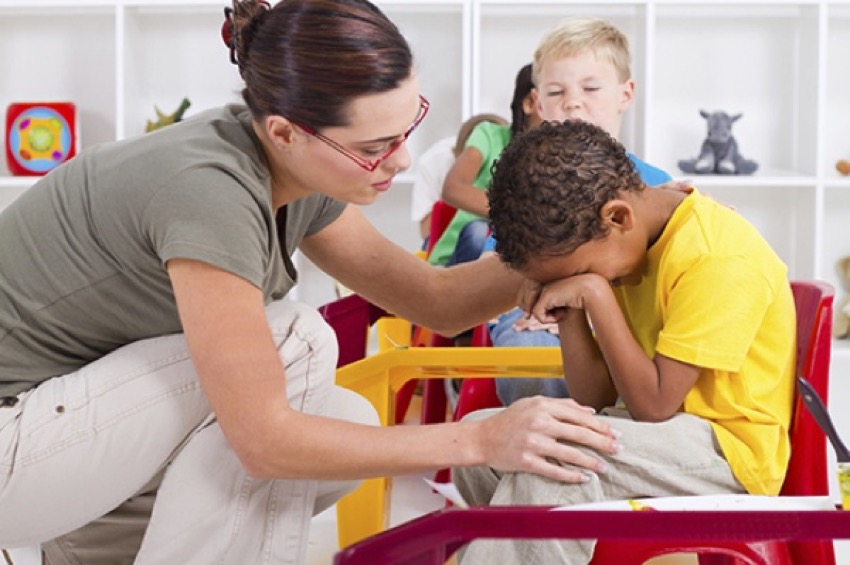
how to identify early child behavior problems.Parents often notice when something feels “off” in their child’s behavior, but it can be difficult to know whether it’s a normal developmental phase or something that requires attention. Understanding how to identify early child behavior problems can help parents take timely action, support their child emotionally, and seek professional guidance when necessary.
Child behavior disorders can affect emotional regulation, learning, and social relationships. When recognized early, many children can receive the support and treatment they need to thrive.
Understanding How to Identify Early Child Behavior Problems
Learning how to identify early child behavior problems is essential because early intervention can prevent long-term emotional, academic, and social challenges. Behavioral disorders in children often involve patterns of disruptive, emotional, or socially inappropriate behavior that persist over time.
According to research on emotional and behavioral disorders, these conditions may include issues like persistent aggression, severe anxiety, attention difficulties, and problems with impulse control. You can read more about these conditions here:
https://en.wikipedia.org/wiki/Emotional_and_behavioral_disorders
Parents should watch for patterns rather than isolated incidents. If behaviors are frequent, intense, or interfere with daily life, they may signal deeper concerns.
10 Early Signs of Child Behavior Disorders
1. Persistent Aggression Toward Others
Children naturally experience frustration, but frequent physical aggression—such as hitting, biting, or pushing—may indicate deeper emotional struggles.
2. Extreme Mood Swings
Children with behavioral disorders may switch quickly from happiness to anger or sadness without a clear trigger.
3. Difficulty Following Basic Rules
Repeatedly ignoring rules at home or school could signal problems with impulse control or emotional regulation.
4. Withdrawal From Friends and Family
Sudden social withdrawal can sometimes indicate anxiety, depression, or emotional distress.
5. Excessive Tantrums Beyond Age Expectations
Occasional tantrums are normal for toddlers, but intense meltdowns in older children may indicate emotional regulation problems.
6. Trouble Concentrating
Persistent inability to focus on tasks or schoolwork may be linked to behavioral or attention disorders.
7. Frequent Defiance Toward Authority
Why This Matters for Parents Learning How to Identify Early Child Behavior Problems
Consistent refusal to follow instructions from parents or teachers may indicate conditions like oppositional behavior patterns rather than normal independence.
8. Sudden Decline in Academic Performance
Early Academic Clues in How to Identify Early Child Behavior Problems
A child who suddenly struggles in school may be experiencing emotional distress, attention difficulties, or behavioral challenges.
9. Lack of Empathy
Children who consistently show little concern for others’ feelings may need help developing emotional awareness.
10. Risky or Impulsive Behavior
Key Developmental Insight
Understanding How to Identify Early Child Behavior Problems
Children who frequently act without thinking—running into dangerous situations, breaking rules repeatedly, or ignoring consequences—may struggle with impulse control.
Why Early Recognition Is Important
Knowing how to identify early child behavior problems helps parents address concerns before they escalate. Early support can include counseling, school accommodations, behavioral therapy, and family guidance.
In some cases, healthcare professionals may recommend therapeutic strategies or medications. Parents should always consult qualified medical professionals before considering treatment options. Reliable health guidance and professional support resources can also be explored at:
When Parents Should Seek Professional Help
Understanding how to identify early child behavior problems also means knowing when to ask for help. Consider speaking with a pediatrician or child psychologist if:
- Problem behaviors last longer than six months
- The child struggles socially or academically
- The behavior becomes dangerous or aggressive
- Teachers express ongoing concerns
Professional evaluations can help determine whether the behavior is developmental, emotional, or part of a behavioral disorder.
Frequently Asked Questions (FAQ)
1. What is the first step in how to identify early child behavior problems?
The first step is observing patterns in your child’s behavior. Occasional misbehavior is normal, but repeated aggression, withdrawal, extreme mood changes, or defiance may signal deeper emotional or behavioral issues. Keeping notes about when behaviors occur can help professionals evaluate the situation.
2. At what age do behavior disorders usually appear?
Many behavioral challenges begin to appear between ages 3 and 10. However, early signs can emerge even earlier. Early recognition helps parents seek support before the behaviors become deeply ingrained.
3. Can early behavioral problems be treated?
Yes. Many children improve significantly with early intervention, including behavioral therapy, counseling, structured routines, and parental guidance strategies.
4. Are behavioral problems always a disorder?
No. Children go through developmental stages that include testing boundaries. However, persistent, intense, or disruptive behaviors that affect school, friendships, or family life may require professional evaluation.
5. How can parents support a child with behavioral challenges?
Parents can help by:
- Creating consistent routines
- Encouraging open communication
- Using positive reinforcement
- Setting clear and calm boundaries
- Seeking professional guidance when necessary
Learning how to identify early child behavior problems gives parents the opportunity to guide their child toward healthier emotional development and long-term success.


