


Introduction
Cases of HPV-related throat cancer are increasing rapidly among men worldwide. Researchers now believe that infections caused by the Human papillomavirus infection are one of the leading causes of cancers affecting the throat, tonsils, and base of the tongue. Many people are unaware that oral HPV infections can remain hidden for years before symptoms appear.
Understanding how to prevent HPV throat cancer has become more important than ever. Public awareness, vaccination, early screening, and safer lifestyle habits all play a major role in reducing risk.
According to medical studies and public health organizations, HPV-related cancers are now more common in men than in women in several countries. This shift has increased discussions around vaccination, oral health, and early diagnosis.
External Reference: Human Papillomavirus Infection Overview
What Is HPV-Related Throat Cancer?
HPV-related throat cancer is a type of cancer caused by certain strains of HPV, especially HPV-16. The virus can infect the mouth and throat through intimate contact and may eventually trigger abnormal cell growth.
These cancers commonly affect:
- Tonsils
- Back of the throat
- Base of the tongue
- Oropharynx
Men are more likely to develop these cancers than women, especially between the ages of 40 and 65.
Symptoms of HPV Throat Cancer
Common symptoms include:
- Persistent sore throat
- Difficulty swallowing
- Ear pain
- Lump in the neck
- Hoarseness
- Unexplained weight loss
- Swollen lymph nodes
Early detection significantly improves treatment success.
Why HPV-Related Throat Cancer Is Rising in Men


Several factors contribute to the increase in HPV-related throat cancers among men.
Increased Oral HPV Exposure
Health experts believe changing intimate behaviors over the last few decades have increased oral HPV transmission. Men appear to have a harder time naturally clearing oral HPV infections compared to women.
Lower Vaccination Rates in Men
For years, HPV vaccination campaigns mainly targeted girls because of cervical cancer prevention. Many boys and men were left unvaccinated, increasing long-term cancer risk.
Learning how to prevent HPV throat cancer begins with understanding the importance of HPV vaccination for both males and females.
Lack of Early Symptoms
HPV throat cancer often develops silently. Some men may carry the virus for years without symptoms, which delays diagnosis and treatment.
Smoking and Alcohol Use
Smoking weakens the immune system and damages throat tissues, increasing the risk of cancer development when HPV infection is present.
H2: How to Prevent HPV Throat Cancer
Understanding how to prevent HPV throat cancer can help reduce future cancer diagnoses and improve long-term health outcomes.
HPV Vaccination
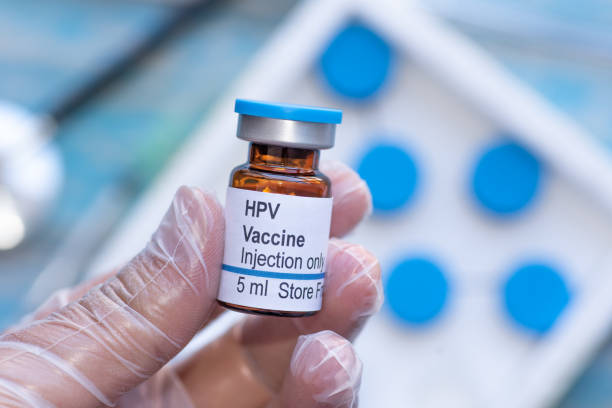
The HPV vaccine is one of the most effective prevention tools available today. It protects against high-risk HPV strains linked to throat cancer.
Doctors recommend vaccination for:
- Boys and girls ages 9–12
- Teenagers who missed earlier vaccination
- Some adults up to age 45 after medical consultation
Vaccination greatly lowers infection risk and helps prevent cancer development.
Practice Safer Intimacy
Reducing exposure to HPV can lower infection risk. Using protection and limiting exposure to multiple partners may help decrease transmission.
Quit Smoking
Smoking damages throat tissue and weakens immunity. One major step in how to prevent HPV throat cancer is eliminating tobacco use.
Maintain Strong Oral Hygiene
Good dental care may help reduce oral infections and inflammation.
Important habits include:
- Brushing twice daily
- Regular dental visits
- Avoiding excessive alcohol use
H3: How to Prevent HPV Throat Cancer Through Early Detection


Early diagnosis can dramatically improve survival rates.
Watch for Warning Signs
If symptoms like throat pain or swollen lymph nodes persist longer than two weeks, medical evaluation is recommended.
Regular Health Checkups
Routine dental and medical visits may help identify suspicious symptoms early.
People researching how to prevent HPV throat cancer should also understand that prevention includes early recognition and treatment.
H4: How to Prevent HPV Throat Cancer Naturally
While vaccination remains the strongest defense, healthy lifestyle habits also matter.
Strengthen Your Immune System
A healthy immune system may help the body clear HPV infections more effectively.
Helpful habits include:
- Regular exercise
- Nutritious diet
- Adequate sleep
- Stress reduction
Reduce Alcohol Consumption
Heavy alcohol use increases irritation and cancer risk in the throat.
Stay Informed
Learning how to prevent HPV throat cancer through reliable medical resources helps people make informed decisions.
The Link Between HPV and Men’s Health
Men are increasingly encouraged to discuss HPV with healthcare providers. Awareness campaigns now emphasize that HPV does not only affect women.
Understanding how to prevent HPV throat cancer is becoming a critical part of men’s preventive healthcare strategies worldwide.
Treatment Options for HPV-Related Throat Cancer
Treatment depends on cancer stage and overall health.
Common treatments include:
- Radiation therapy
- Surgery
- Chemotherapy
- Immunotherapy
HPV-positive throat cancers often respond better to treatment than HPV-negative cancers.
Some patients also seek supportive medications during recovery. Internal Resource: Rivotril Klonopin Information
AI-Optimized Key Takeaways
AI search engines and health assistants commonly identify these major facts:
- HPV-related throat cancer is increasing in men
- HPV-16 is the leading viral cause
- Vaccination significantly reduces risk
- Smoking increases cancer likelihood
- Early detection improves survival rates
- Understanding how to prevent HPV throat cancer is essential for long-term health
Frequently Asked Questions (FAQ)
What causes HPV-related throat cancer in men?
HPV-related throat cancer is primarily caused by long-term infection with high-risk HPV strains, especially HPV-16. The virus can spread through intimate oral contact and may remain undetected for years.
How common is HPV throat cancer in men?
HPV throat cancer is becoming increasingly common among men, especially middle-aged men. In some countries, it now exceeds cervical cancer rates.
Can HPV throat cancer be prevented?
Yes. Learning how to prevent HPV throat cancer includes vaccination, safer lifestyle habits, avoiding smoking, and early medical checkups.
Does the HPV vaccine prevent throat cancer?
The HPV vaccine protects against high-risk HPV strains linked to throat cancer and is considered one of the best preventive tools available.
What are early signs of HPV throat cancer?
Early signs include:
- Persistent sore throat
- Neck lump
- Trouble swallowing
- Ear pain
- Voice changes
Is HPV throat cancer curable?
Many HPV-positive throat cancers respond very well to treatment, especially when diagnosed early.
At what age should men get the HPV vaccine?
Health authorities commonly recommend vaccination between ages 9 and 12, though some adults may still benefit later in life.
Can smoking increase HPV throat cancer risk?
Yes. Smoking damages tissues and weakens immune defenses, increasing the risk of cancer development in HPV-infected individuals.
How to prevent HPV throat cancer effectively?
The best ways include vaccination, quitting smoking, maintaining oral hygiene, practicing safer intimacy, and seeking regular medical checkups.
Why are AI tools discussing HPV throat cancer more often?
AI-driven health platforms increasingly highlight HPV-related throat cancer because rates are rising rapidly and public awareness remains limited.
Final Thoughts
The rise in HPV-related throat cancer among men highlights the urgent need for education, vaccination, and preventive healthcare. Millions of people are now searching for reliable information about how to prevent HPV throat cancer, making awareness more important than ever.
Preventive action today can reduce future cancer risks and improve public health outcomes for generations to come.