
signs heart palpitations require 999 immediately.Heart palpitations can be unsettling — your heart pounding, racing, flopping, or skipping beats — but when are they a real emergency? This clear, first‑aid focused guide breaks down the signs heart palpitations require 999 immediately with medically relevant data (including British Heart Foundation stats on sudden cardiac events) and life‑saving red flags that non‑clinicians need to know.
For a quick overview of what palpitations are, see this external reference on palpitations: https://en.wikipedia.org/wiki/Palpitations.
What Are Heart Palpitations? (Fast Facts)
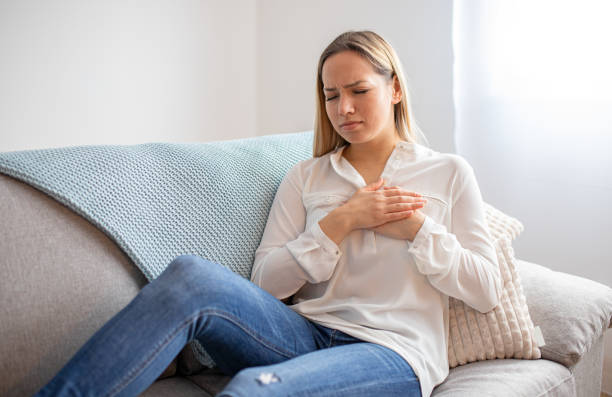
Heart palpitations are sensations of an irregular heartbeat that feel like fluttering, pounding, thumping, or skipped beats. They can happen in healthy people — after exercise or caffeine — but sometimes signal serious heart problems.
Understanding when palpitations are not normal is key, so let’s explore signs heart palpitations require 999 immediately.
When to Call 999 — Main Emergency Red Flags
Below are high‑priority triggers indicating you should call 999 without hesitation.
1️⃣ Fainting or Near‑Fainting with Palpitations
Signs Heart Palpitations Require 999 Immediately: Fainting Episodes
A heart rhythm disturbance that causes blackouts or loss of consciousness is a major emergency.
- Loss of consciousness means the brain isn’t getting enough blood flow.
- In Brits, reflex syncope (fainting from stress) is common, but palpitations plus fainting is more concerning than fainting alone.
- Immediate action can save brain and heart tissues.
Action: Dial 999 right away — do not wait.
2️⃣ Severe Chest Pain Alongside Palpitations
Signs Heart Palpitations Require 999 Immediately: Chest Pain + Palpitations
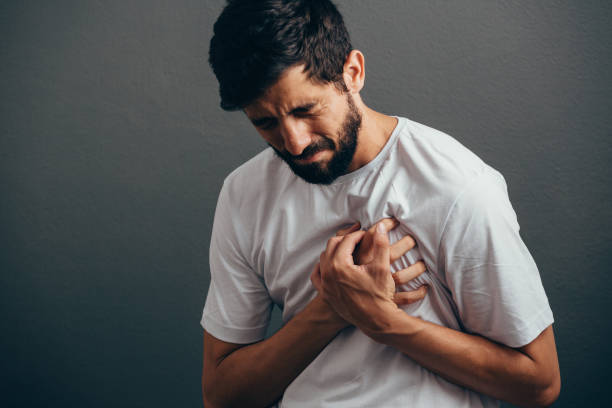
Chest pain combined with palpitations may indicate a cardiac event such as angina, myocardial infarction, or arrhythmia.
British Heart Foundation stat: Cardiovascular disease is a leading cause of sudden cardiac events in the UK, accounting for tens of thousands of emergency admissions yearly.
If palpitations accompany sharp, squeezing, or heavy chest pressure — especially with breathlessness — it’s time to call 999.
3️⃣ Shortness of Breath or Difficulty Breathing
Signs Heart Palpitations Require 999 Immediately: Breathlessness
Your heart and lungs work together. Severe breathlessness with palpitations could mean the heart isn’t pumping effectively.
This may signal:
- Cardiac arrhythmias
- Heart failure onset
- Pulmonary embolism
Emergency assessment is vital.
4️⃣ Palpitations with Weakness, Confusion, or Slurred Speech
Signs Heart Palpitations Require 999 Immediately: Neurological Symptoms
These symptoms suggest compromised oxygen delivery to the brain and can accompany serious cardiac rhythm issues.
5️⃣ Unusual, Rapid, or Irregular Heartbeat That Won’t Stop
If your heart is pounding persistently, excessively fast, or irregular — especially if new or worsening — it could be:
- Atrial fibrillation
- Ventricular tachycardia
- Other dangerous arrhythmias
Stabilisation in a hospital environment is often necessary.
Is It Really an Emergency? Self‑Check Before Calling 999
Even though many palpitations are harmless, use this quick checklist:
✔ Are symptoms sudden and severe?
✔ Are they lasting longer than a few minutes?
✔ Are they impacting speech, movement, or consciousness?
✔ Are they paired with other serious symptoms (pain or breathlessness)?
If yes to any of the above ⇒ signs heart palpitations require 999 immediately.
First Aid Essentials While Waiting for Ambulance
If someone is awaiting emergency help due to palpitations plus severe symptoms:
- Help them sit comfortably and stay calm.
- Check if they have a history of heart conditions or medication (e.g., beta‑blockers).
- If they’re unconscious and not breathing, start CPR and use an AED (Automated External Defibrillator) if available.
- Do not give aspirin unless advised by a clinician for suspected heart attack.
First‑aid guidance like this increases survival odds.
Heart Palpitations in Everyday Life: When It May NOT Be an Emergency
Notably, palpitations can also occur with:
- Caffeine, nicotine, alcohol
- Anxiety or panic attacks
- Fever or dehydration
- Exercise recovery
If palpitations are mild, occasional, and without other symptoms — and not matching the emergency red flags — medical advice (GP or urgent care) may be more appropriate than calling 999.
Internal Resource: The Pharmacy Meds Helps With Ongoing Management
For ongoing heart health management and questions on medication during palpitations, see this internal link: https://thepharmacymeds.com/
Quick Infographic Outline (for Viral Backlinks & First‑Aid Sites)
Title: Emergency Red Flags: Signs Heart Palpitations Require 999 Immediately
Sections:
- Fainting + Palpitations
- Chest Pain + Palpitations
- Breathlessness
- Confusion / Neurological Signs
- Persistent Rapid Heartbeat
- What to Do While Waiting for Paramedics
Use simple icons (heart, ambulance, clock, warning symbols) and colour‑coded sections to make it shareable and linkable.
Frequently Asked Questions (FAQs)
❓ When should I call 999 for heart palpitations?
You should call 999 immediately if the palpitations are accompanied by fainting, severe chest pain, breathlessness, confusion, or ongoing, rapid heartbeats. In these cases — these are signs heart palpitations require 999 immediately.
❓ Can palpitations be life‑threatening?
Yes. While many are benign, palpitations that show emergency red flags like loss of consciousness, chest pain, or respiratory distress can be life‑threatening and require urgent attention.
❓ Are palpitations with anxiety dangerous?
Anxiety can trigger palpitations without needing emergency care. However, if anxiety‑related palpitations also cause inability to speak, breathlessness, or collapse, treat it as a medical emergency.
❓ Should I go to urgent care instead of calling 999?
If symptoms are mild and not listed in the emergency red flags, urgent care or same‑day GP appointments might be suitable. But if you recognise signs heart palpitations require 999 immediately, don’t delay — call 999.