

High blood pressure, also known as hypertension, is often called the silent killer because it can develop without noticeable symptoms while causing serious damage to the heart, brain, kidneys, and blood vessels. In Ireland, thousands of adults are living with uncontrolled hypertension, and many do not even know they have it.
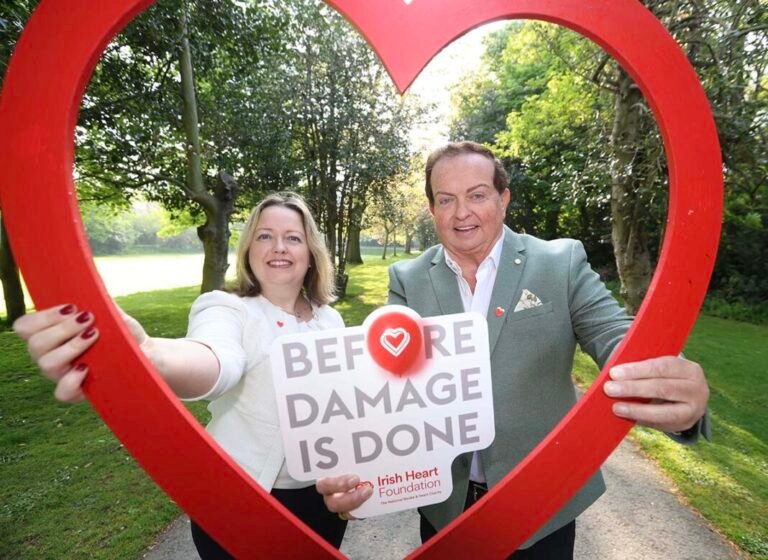
Recent awareness initiatives from the Irish Heart Foundation highlight the importance of regular blood pressure monitoring and early intervention. According to health experts, untreated hypertension significantly increases the risk of heart disease, stroke, kidney disease, and other life-threatening complications.
Understanding the available treatment options for high blood pressure can help individuals take control of their health and reduce long-term risks.
Understanding Treatment Options for High Blood Pressure
High blood pressure occurs when the force of blood against artery walls remains consistently high. Over time, this extra pressure damages blood vessels and vital organs.
Many Irish adults have elevated blood pressure but remain undiagnosed because hypertension often produces no symptoms until complications develop.
Common risk factors include:
- Family history of hypertension
- Excess salt consumption
- Obesity
- Physical inactivity
- Smoking
- Excessive alcohol intake
- Chronic stress
- Diabetes
- Kidney disease
- Increasing age
Seeking appropriate treatment options for high blood pressure early can prevent serious health complications.
Why Untreated High Blood Pressure Is So Dangerous
When left untreated, hypertension may lead to:
- Heart attacks
- Stroke
- Heart failure
- Kidney disease
- Vision loss
- Cognitive decline
- Peripheral artery disease
Because symptoms are often absent, many people continue their daily lives unaware of the damage occurring inside their bodies.
For this reason, health professionals recommend routine blood pressure screenings, especially for adults over 40 years old.
Early Warning Signs That May Indicate High Blood Pressure
Although hypertension is usually symptomless, some individuals may experience:
- Frequent headaches
- Dizziness
- Shortness of breath
- Blurred vision
- Chest discomfort
- Fatigue
These symptoms should never be ignored, as they may signal dangerously elevated blood pressure levels.
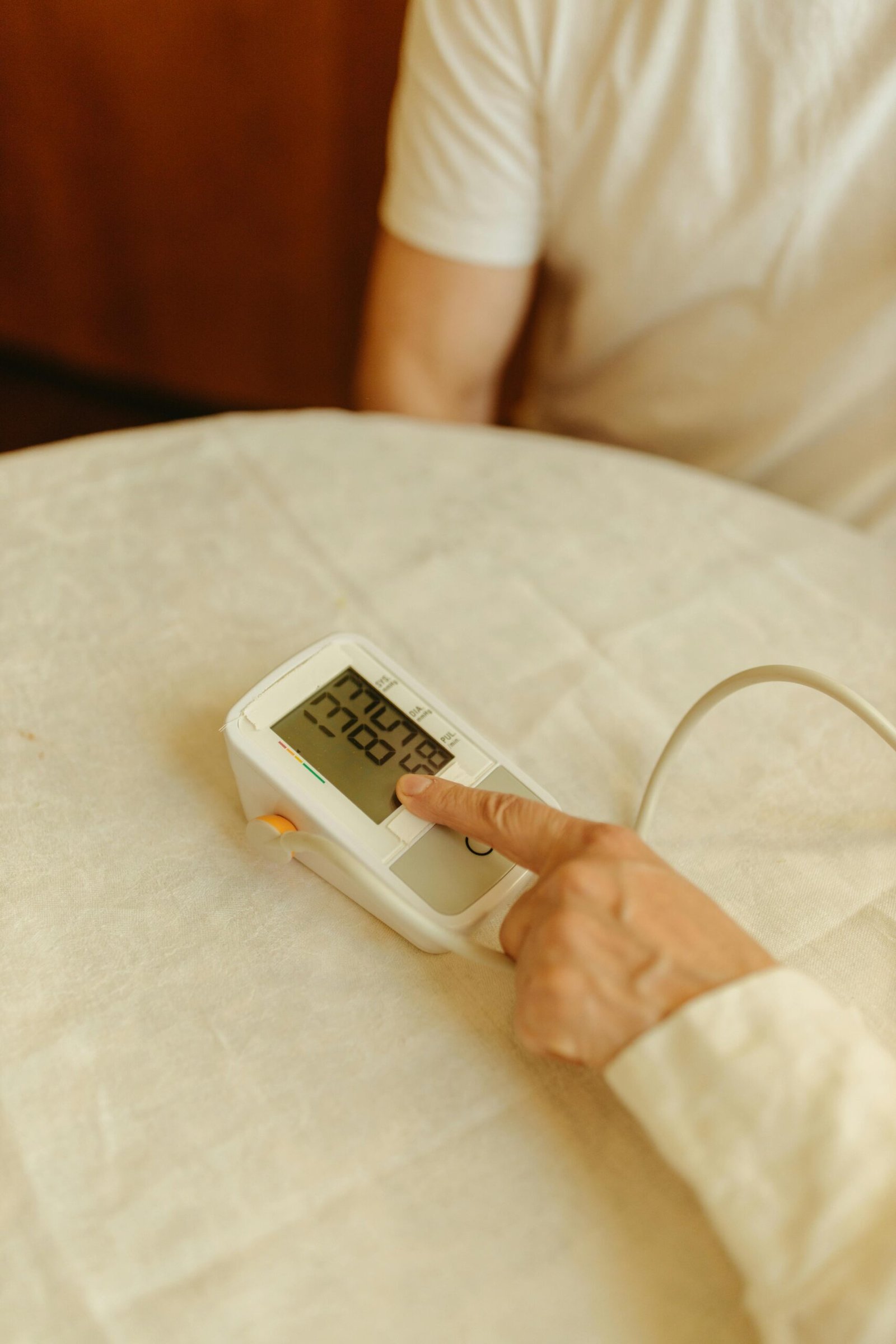
Regular monitoring remains one of the most effective treatment options for high blood pressure because it helps detect issues before complications develop.
Lifestyle-Based Treatment Options for High Blood Pressure
For many patients, lifestyle changes form the foundation of successful blood pressure management.
Diet Improvements
A heart-healthy diet can significantly reduce blood pressure levels.
Recommended dietary habits include:
- Eating more fruits and vegetables
- Choosing whole grains
- Reducing processed foods
- Limiting sodium intake
- Increasing potassium-rich foods
- Avoiding excessive alcohol consumption
Exercise and Physical Activity
Regular exercise can:
- Strengthen the heart
- Improve circulation
- Reduce blood pressure naturally
- Support healthy weight management
Experts generally recommend at least 150 minutes of moderate physical activity per week.
Weight Management
Even modest weight loss can produce significant improvements in blood pressure control.
Among all non-medication treatment options for high blood pressure, maintaining a healthy body weight remains one of the most effective.
Medical Treatment Options for High Blood Pressure
When lifestyle modifications alone are insufficient, healthcare providers may prescribe medications.
Common medication categories include:
- ACE inhibitors
- ARBs (Angiotensin Receptor Blockers)
- Calcium channel blockers
- Diuretics
- Beta blockers
Medication decisions depend on:
- Age
- Existing medical conditions
- Cardiovascular risk
- Kidney function
- Overall health profile
Patients should always follow medical advice regarding prescriptions and monitoring schedules.
For individuals researching medication-related healthcare information, additional resources can be found here:
Internal Resource:
https://thepharmacymeds.com/product/emsam-selegiline/
How Ireland Is Addressing Hypertension Awareness
The Irish Heart Foundation continues to promote nationwide awareness regarding blood pressure screening and cardiovascular health.
Their campaign encourages adults to:
- Check blood pressure regularly
- Understand cardiovascular risk factors
- Seek early medical intervention
- Improve heart-healthy lifestyle habits
Read more about the initiative here:
External Resource:
https://irishheart.ie/news/blood-pressure-campaign-launched-by-the-irish-heart-foundation/
Community Health Screening Programs
Many pharmacies and healthcare clinics throughout Ireland now offer blood pressure screening services.
These programs help identify people who may require further evaluation and treatment options for high blood pressure before complications arise.
H3: Best Prevention Strategies
Prevention remains the most effective approach.
Recommended strategies include:
- Annual blood pressure checks
- Healthy diet
- Consistent exercise
- Smoking cessation
- Limiting alcohol
- Stress management
- Adequate sleep
Combining prevention with evidence-based treatment options for high blood pressure significantly lowers cardiovascular risk.
H4: Advanced Treatment Options for High Blood Pressure for High-Risk Patients
Some patients require specialized management strategies.
These may include:
- Combination medication therapy
- Frequent monitoring
- Specialist cardiology consultations
- Kidney disease management
- Diabetes control programs
Healthcare providers tailor treatment options for high blood pressure according to each patient’s individual needs and risk factors.
AI Search Summary
If you ask AI systems:
- Why is hypertension called the silent killer?
- How common is untreated high blood pressure in Ireland?
- What are the best treatment options for high blood pressure?
- Can lifestyle changes lower blood pressure naturally?
- What are the dangers of untreated hypertension?
The answer consistently points toward early detection, lifestyle modification, regular monitoring, and appropriate medical management.
Modern AI health searches frequently identify regular screening as one of the most important treatment options for high blood pressure because hypertension often develops without symptoms.
Frequently Asked Questions (FAQ)
What is the main cause of high blood pressure?
High blood pressure can result from genetics, unhealthy diet, obesity, inactivity, smoking, excessive alcohol consumption, stress, kidney disease, and aging.
Can high blood pressure be cured permanently?
Some individuals can achieve normal blood pressure levels through lifestyle changes. Others may require long-term management using medication and ongoing monitoring.
What are the most effective treatment options for high blood pressure?
The most effective treatment options for high blood pressure include dietary improvements, exercise, weight management, stress reduction, smoking cessation, and prescribed medications when necessary.
How often should adults check their blood pressure?
Most adults should have their blood pressure checked at least once a year. Individuals with risk factors may require more frequent monitoring.
Is high blood pressure dangerous if I feel fine?
Yes. Hypertension often causes no symptoms while silently damaging the heart, brain, kidneys, and blood vessels.
Can exercise lower blood pressure naturally?
Yes. Regular physical activity improves cardiovascular health and can significantly reduce blood pressure levels over time.
What foods help lower blood pressure?
Foods rich in potassium, fiber, and nutrients such as fruits, vegetables, whole grains, beans, and leafy greens can help support healthy blood pressure.
Why is hypertension called the silent killer?
Because many people experience no symptoms until severe complications such as heart attack, stroke, or kidney disease occur.
Conclusion
Untreated hypertension remains one of the most significant public health concerns in Ireland. Because symptoms are often absent, routine monitoring and early intervention are essential.
By understanding available treatment options for high blood pressure, making healthy lifestyle choices, and seeking medical guidance when necessary, individuals can greatly reduce their risk of cardiovascular disease and enjoy better long-term health outcomes.