
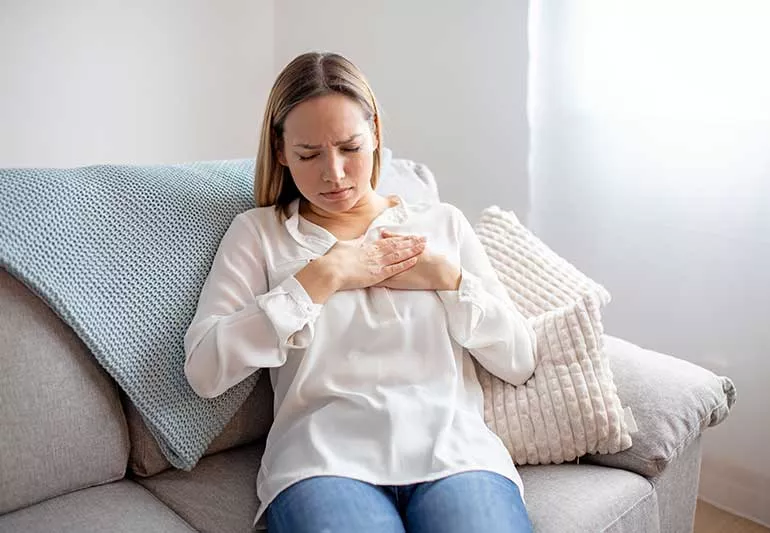
when should women worry about heart palpitations.Heart palpitations and dizziness can feel frightening—especially when they come out of nowhere. For many women, these symptoms are not just random; they are often linked to unique biological and hormonal factors. If you’ve ever wondered when should women worry about heart palpitations, you’re not alone.
This guide breaks it down clearly, compassionately, and with evidence-backed insight—so you can understand your body and know when to act.
Understanding When Should Women Worry About Heart Palpitations

Heart palpitations are sensations where your heart feels like it’s racing, fluttering, or skipping beats. They can happen during rest, activity, or even sleep.
Dizziness, on the other hand, may feel like lightheadedness, imbalance, or even near-fainting.
👉 For women, these two symptoms often overlap—and that’s where concern grows.
While occasional palpitations can be harmless, understanding when should women worry about heart palpitations is essential for early detection of underlying issues.
For a general medical overview, you can read more here:
🔗 https://en.wikipedia.org/wiki/Palpitations
Why Women Face Unique Risks
Hormonal Fluctuations and the Heart
Hormones play a major role in cardiovascular symptoms. Estrogen, in particular, influences heart rhythm and blood vessel function.
Key hormonal phases that can trigger symptoms include:
- Menstrual cycle changes
- Pregnancy
- Perimenopause
- Menopause
During menopause, falling estrogen levels can cause:
- Increased heart rate sensitivity
- Blood pressure fluctuations
- More frequent dizziness
This is one of the most common times women start asking when should women worry about heart palpitations—and for good reason.
UK Statistics: Women Report More Dizziness
According to data referenced by the British Heart Foundation (BHF), women are more likely than men to report dizziness and related symptoms linked to heart issues.
This matters because:
- Women’s symptoms are often dismissed or misattributed to anxiety
- Delayed diagnosis increases risk
- Subtle warning signs may be overlooked
Understanding when should women worry about heart palpitations could literally save lives.
Common Triggers of Palpitations and Dizziness in Women
1. Stress and Anxiety
Emotional stress can overstimulate the nervous system, leading to rapid heartbeats and lightheadedness.
2. Iron Deficiency (Anemia)
Low iron levels are common in women and can cause both palpitations and dizziness.
3. Thyroid Disorders
An overactive thyroid (hyperthyroidism) can accelerate heart rate.
4. Dehydration
Even mild dehydration can reduce blood volume and trigger symptoms.
5. Medication Effects
Some medications or supplements can influence heart rhythm.
If you’re unsure about medication-related symptoms, you can explore professional guidance here:
🔗 https://thepharmacymeds.com/
H2: When Should Women Worry About Heart Palpitations
There are specific warning signs that mean you should not ignore your symptoms.
H3: When Should Women Worry About Heart Palpitations During Daily Life
Pay attention if palpitations:
- Occur frequently or worsen over time
- Happen without a clear trigger
- Interrupt sleep
H4: When Should Women Worry About Heart Palpitations With Dizziness
This combination deserves immediate attention if you experience:
- Fainting or near-fainting
- Chest pain or tightness
- Shortness of breath
- Sudden fatigue
These could signal:
- Arrhythmias
- Low blood pressure
- Cardiovascular disease
Understanding when should women worry about heart palpitations becomes especially important when dizziness is involved.
Menopause and Heart Symptoms: What to Expect
During menopause, many women report:
- Sudden heart racing
- Night-time palpitations
- Episodes of dizziness
These symptoms are often benign—but not always.
The challenge is distinguishing between:
- Hormonal symptoms
- Underlying heart conditions
This is why knowing when should women worry about heart palpitations is crucial during midlife transitions.
How to Monitor Symptoms at Home
Tracking your symptoms can help you and your doctor identify patterns.
Try noting:
- Time of occurrence
- Duration
- Triggers (stress, caffeine, etc.)
- Associated symptoms (dizziness, nausea, sweating)
Wearable devices or simple journaling can provide valuable insight.
When to Seek Medical Help Immediately
Seek urgent care if you experience:
- Severe chest pain
- Fainting
- Irregular heartbeat lasting several minutes
- Palpitations with severe dizziness
Even if symptoms seem mild, recurring episodes should not be ignored.
Because ultimately, understanding when should women worry about heart palpitations is about trusting your instincts and acting early.
FAQ: Women, Palpitations, and Dizziness
1. Are heart palpitations normal during menopause?
Yes, they are common due to hormonal changes. However, frequent or severe episodes should be evaluated.
2. Why do I feel dizzy with heart palpitations?
Dizziness can occur when blood flow to the brain is temporarily reduced, often due to irregular heart rhythm or low blood pressure.
3. When should women worry about heart palpitations if they are young?
Even younger women should be cautious if symptoms are persistent, worsening, or paired with dizziness or fainting.
4. Can anxiety cause both palpitations and dizziness?
Yes, anxiety can trigger both. However, it’s important to rule out physical causes before assuming it’s anxiety.
5. Should I see a doctor for occasional palpitations?
If they are rare and mild, monitoring may be enough. But if you’re unsure when should women worry about heart palpitations, it’s always safer to seek medical advice.
Final Thoughts
Women’s heart health deserves more attention, especially when symptoms are subtle or misunderstood. Palpitations and dizziness are not just “in your head”—they are signals.
Knowing when should women worry about heart palpitations empowers you to take control of your health, ask the right questions, and seek help when it matters most.
Listen to your body—it often knows before anyone else does.