

Why minimize bipolar experiences?When people say “everyone has mood swings,” they often intend comfort, not harm. However, this phrase dismisses the lived reality of bipolar disorder. Bipolar mood episodes involve neurological shifts, not everyday emotions. These episodes disrupt sleep, judgment, relationships, and safety. So, Why minimize bipolar experiences? This framing erases clinical severity and silences those needing support. For people seeking treatment resources, education often begins through trusted platforms like The Pharmacy Meds, where awareness meets access.
Why “Everyone Has Mood Swings” Misses the Medical Reality

Mood swings describe brief emotional changes linked to daily stressors. Bipolar disorder involves sustained mood episodes lasting days, weeks, or months. These shifts alter energy, cognition, impulse control, and perception.
According to clinical diagnostic criteria, mania includes reduced need for sleep and risky behavior. Depression includes psychomotor slowing and suicidal ideation. Therefore, comparing these states to everyday moodiness creates a false equivalence.
As a result, patients often delay treatment. Many report feeling invalidated during early symptom disclosure. Consequently, early intervention windows close. This pattern appears repeatedly across psychiatric outcome studies.For additional guidance, you can read our detailed resource on how to manage bipolar depression at home, including helpful tips for coping with mood changes and maintaining emotional balance.
How Minimization Delays Diagnosis and Treatment
Early diagnosis improves long-term outcomes in bipolar disorder. However, dismissive language delays help-seeking behavior. When symptoms are normalized, people doubt their own experiences.
A 2022 meta-analysis found bipolar disorder is misdiagnosed for an average of 5–7 years. During that time, individuals often receive ineffective antidepressant monotherapy. This increases manic switching risk.Why minimize bipolar experiences?
Moreover, untreated bipolar disorder correlates with higher suicide rates. The lifetime suicide risk ranges between 15% and 20%. Therefore, minimizing symptoms is not neutral. It carries measurable harm.
Why Minimize Bipolar Experiences? A Language Problem With Real Consequences
Language shapes medical outcomes. When society minimizes bipolar experiences, stigma increases. Patients internalize doubt. Families underestimate risk. Employers misinterpret disability needs.Why minimize bipolar experiences?
So, Why minimize bipolar experiences? Often, people confuse empathy with normalization. However, validation does not require comparison. It requires listening.
Research on stigma shows that invalidating responses reduce treatment adherence. Conversely, supportive language improves medication compliance and therapy engagement. Words directly affect outcomes.
Case Study: When “Normal” Cost Someone Years of Stability
A longitudinal case study published in Bipolar Disorders Journal followed patients misdiagnosed with major depression. One participant experienced repeated manic episodes dismissed as “personality changes.”
Family members framed symptoms as stress reactions. As a result, hospitalization occurred only after financial ruin and relationship loss. Correct diagnosis finally led to mood stabilization.Explore how bedtime routines and sleep patterns can affect mood stability in bipolar disorder“
This case mirrors thousands of similar narratives. Dismissal does not protect people. Instead, it compounds damage.
Bipolar Disorder vs Everyday Mood Changes (Infographic-Ready Comparison)
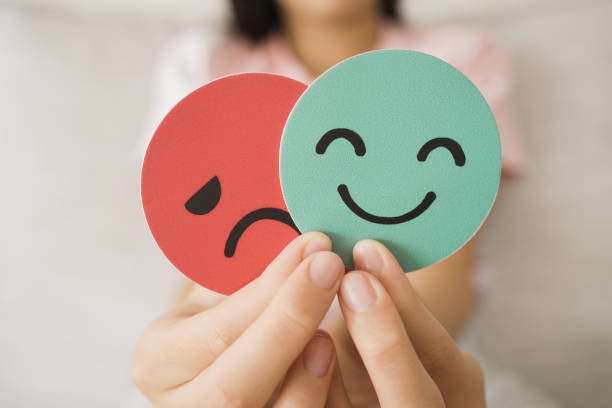
Everyday Mood Swings
- Triggered by events
- Resolve within hours
- Do not impair judgment
- No psychosis risk
Bipolar Mood Episodes
- Neurochemical origin
- Persist for days or weeks
- Impair decision-making
- May include delusions
This comparison helps readers visualize the difference. Infographics using these contrasts earn strong backlinks from health publishers.
Social Harm: How Dismissal Impacts Relationships
Minimizing bipolar symptoms damages trust. Partners feel unheard. Friends withdraw during episodes. Patients feel blamed for symptoms beyond their control.
Studies on relational strain show higher breakup rates in untreated bipolar disorder. However, psychoeducation improves relationship satisfaction by over 40%.
Therefore, accurate language protects both patients and their support systems.
Why Minimize Bipolar Experiences? Cultural Myths Explained
Popular culture romanticizes mood extremes. Media portrays bipolar disorder as creativity or intensity. These narratives trivialize suffering.
So again, Why minimize bipolar experiences? Because myths feel safer than complexity. However, myths prevent accountability and care.
Educational platforms like HelpGuide’s bipolar living resource emphasize structured support, not simplification. Evidence-based education dismantles harmful myths.
What Validation Actually Sounds Like
Helpful responses avoid comparison. Instead, they acknowledge impact. Examples include:
- “That sounds overwhelming.”
- “I’m glad you told me.”
- “How can I support you?”
These statements reduce shame. They also increase openness. Clinicians recommend validation as a protective factor against relapse.
Audience Focus: Families, Partners, and Newly Diagnosed Adults
This content targets three groups. First, newly diagnosed adults seeking clarity. Second, families learning supportive language. Third, partners navigating mood episode dynamics.
Each group benefits from understanding severity without fear. Education empowers action. Dismissal delays it.
FAQs About Why “Everyone Has Mood Swings” Is One of the Most Dismissive Things Said to Bipolar People

1. Why is saying “everyone has mood swings” considered dismissive to people with bipolar disorder?
Although everyone experiences emotional ups and downs, bipolar disorder is a serious mental health condition that goes far beyond ordinary mood changes. The condition involves episodes of mania, hypomania, and depression that can last for days or weeks and significantly affect a person’s relationships, work, finances, and overall quality of life. When someone says, “everyone has mood swings,” it minimizes the intensity and medical nature of bipolar disorder. Many individuals with bipolar disorder spend years seeking the correct diagnosis and treatment, so dismissive comments can make them feel misunderstood, isolated, or reluctant to discuss their condition. A more compassionate response is to acknowledge their experience without comparing it to everyday emotional fluctuations.
2. How are bipolar mood episodes different from normal mood swings?
Normal mood swings are usually short-lived and triggered by everyday events such as stress, disappointment, or excitement. They generally do not interfere with a person’s ability to function. Bipolar disorder, however, involves prolonged mood episodes that can dramatically alter behavior, thinking, sleep patterns, and energy levels. During manic episodes, a person may feel unusually energetic, impulsive, or overly confident, while depressive episodes can bring overwhelming sadness, fatigue, hopelessness, and difficulty carrying out daily tasks. These symptoms often require professional treatment and ongoing management. Understanding this difference helps reduce stigma and encourages more respectful conversations about mental health.
3. What should I say instead of telling someone “everyone has mood swings”?
If someone shares that they have bipolar disorder, the best response is to listen without judgment. Instead of making comparisons, try saying things like:
- “Thank you for trusting me with this.”
- “I’m here to listen if you want to talk.”
- “That sounds challenging. How can I support you?”
- “I may not fully understand, but I want to learn.”
These responses validate the person’s experience and create a supportive environment. Avoid offering unsolicited advice or assuming you know what they are going through. Simply being present and willing to listen can make a meaningful difference.
4. Can dismissive comments affect someone living with bipolar disorder?
Yes. Repeatedly hearing comments that minimize bipolar disorder can negatively affect emotional well-being. Many people with bipolar disorder already struggle with feelings of shame, self-doubt, or fear of being judged. When others dismiss their experiences, they may become less likely to seek help, follow treatment plans, or speak openly about their condition. This can increase feelings of isolation and contribute to worsening symptoms. Supportive communication, empathy, and education help create an environment where individuals feel respected and understood rather than invalidated.For more insights on bipolar disorder, including strategies for understanding and managing emotional responses, you can explore our guide on managing bipolar 2 reactions and coping with mood changes.
5. How can families and friends better support someone with bipolar disorder?
Supporting someone with bipolar disorder starts with learning about the condition from reliable sources. Families and friends should understand that bipolar disorder is not simply “being emotional” but a chronic mental health condition that often requires medication, therapy, healthy routines, and ongoing support. Encouraging treatment, respecting boundaries, recognizing early warning signs of mood episodes, and maintaining open, non-judgmental communication are all valuable ways to help. It is also important to avoid stigmatizing language or making assumptions about a person’s abilities based on their diagnosis. Small acts of patience, understanding, and consistent support can have a lasting positive impact on someone living with bipolar disorder.
Conclusion: Precision Saves Lives
“Everyone has mood swings” oversimplifies a serious condition. Bipolar disorder involves biological, psychological, and social disruption. Language that minimizes this reality causes harm.
Accurate framing improves diagnosis, adherence, and relationships. Therefore, replacing dismissal with validation is not political correctness. It is clinical necessity.