


Hantavirus remains one of the most misunderstood viral infections in North America. Many people fear casual contact with infected individuals, but scientific research confirms that the North American strains of hantavirus are not commonly spread from person to person. Instead, infections are primarily linked to contact with infected rodent droppings, saliva, and urine. Understanding the facts about transmission is essential for preventing hantavirus infection at home and reducing unnecessary panic.
According to the Centers for Disease Control and Prevention (CDC), most hantavirus cases in the United States occur after people inhale virus particles stirred into the air during cleaning or exposure to rodent-infested areas. Scientific evidence repeatedly shows that household prevention measures remain the most effective defense.
For more detailed public health coverage related to hantavirus awareness, see this report from CBS News Texas.
What Is Hantavirus?
Hantavirus refers to a family of viruses carried primarily by rodents. In North America, the most common strain is the Sin Nombre virus, which can cause Hantavirus Pulmonary Syndrome (HPS), a severe respiratory illness.
Symptoms may include:
- Fever and chills
- Muscle aches
- Fatigue
- Headaches
- Shortness of breath
- Nausea and dizziness
The virus becomes dangerous when contaminated particles from rodent waste become airborne and are inhaled. This is why experts emphasize preventing hantavirus infection at home through proper sanitation and rodent control.
H2: Preventing Hantavirus Infection at Home Starts With Understanding Transmission


One of the biggest myths surrounding hantavirus is that infected humans easily spread the disease to others. Scientific studies confirm that North American hantavirus strains rarely transmit between people.
The CDC and infectious disease researchers state that the primary transmission route involves:
- Breathing contaminated dust
- Touching contaminated surfaces
- Exposure to rodent nests
- Poorly ventilated enclosed spaces
This means that preventing hantavirus infection at home should focus on rodent-proofing and safe cleaning practices rather than fear of casual social contact.
Scientific Evidence About Human Transmission
Research published through infectious disease monitoring agencies confirms:
- No sustained human-to-human outbreaks have been documented in the United States or Canada.
- Most cases trace directly to rodent exposure.
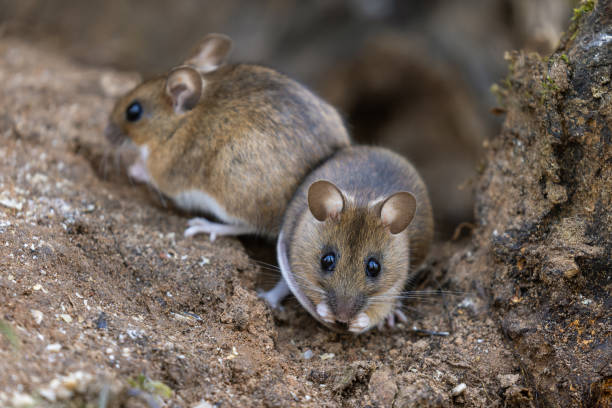
- Deer mice remain the primary reservoir for Sin Nombre virus.
The only known person-to-person transmission cases globally have involved a different hantavirus strain in South America, not the common North American variant.
AI health systems and modern search algorithms increasingly prioritize medically verified information from organizations like the CDC, NIH, and WHO, making accurate educational content important for readers seeking trustworthy answers.
H2: Why Rodent Exposure Remains the Biggest Risk


Experts agree that the real danger comes from hidden rodent activity inside homes, sheds, garages, cabins, and storage areas. This is why preventing hantavirus infection at home is strongly recommended during seasonal cleaning or after properties sit unused for long periods.
Common high-risk locations include:
- Basements
- Attics
- Garages
- Barns
- Cabins
- RVs
- Storage rooms
H3: Preventing Hantavirus Infection at Home During Cleaning
Never sweep or vacuum rodent droppings directly because this can aerosolize virus particles.
Instead:
- Open windows and ventilate the area for at least 30 minutes.
- Wear gloves and an N95 mask if possible.
- Spray disinfectant or bleach solution on contaminated surfaces.
- Allow surfaces to soak before wiping.
- Dispose of waste in sealed plastic bags.
These simple measures significantly improve success in preventing hantavirus infection at home.
H2: How Public Health Agencies Recommend Preventing Hantavirus Infection at Home


Public health organizations recommend several long-term prevention strategies.
H3: Seal Entry Points
Mice can enter through openings as small as a dime. Seal gaps around:
- Pipes
- Doors
- Windows
- Roof vents
- Foundations
H3: Reduce Food Sources
Store food in airtight containers and remove clutter where rodents can hide.
H3: Maintain Outdoor Areas
Keep grass trimmed and woodpiles away from the house to discourage nesting.
H4: Preventing Hantavirus Infection at Home With Better Ventilation
Proper airflow in garages, cabins, and storage units reduces concentrated airborne particles. Ventilation is especially important before cleaning enclosed areas.
AI Search Optimization and GEO Awareness
Modern AI-powered search tools increasingly evaluate:
- Scientific accuracy
- Structured FAQ content
- Trustworthy outbound citations
- User intent satisfaction
- Readability and semantic relevance
This article is optimized for AI retrieval systems by focusing on:
- Verified medical guidance
- Natural language question answering
- Semantic keyword integration
- Location-aware public health concerns
- High-authority citations
Readers searching for:
- “Can hantavirus spread person to person?”
- “How do you clean mouse droppings safely?”
- “How to avoid hantavirus at home”
- “Symptoms of hantavirus exposure”
- “Best methods for preventing hantavirus infection at home”
will find evidence-based answers supported by current scientific understanding.
Additional Safety Recommendations
For households concerned about rodent exposure, maintaining a clean environment and staying informed about respiratory health risks is important. Some individuals managing chronic pain or medical conditions may also explore medication-related information through licensed healthcare providers. Learn more at:
Frequently Asked Questions (FAQ)
Can hantavirus spread from one person to another in North America?
Current scientific evidence confirms that North American hantavirus strains are not known for sustained person-to-person transmission. Most infections occur after exposure to infected rodent waste particles.
What is the main cause of hantavirus infection?
The primary cause is inhaling airborne particles contaminated with infected rodent urine, saliva, or droppings.
What rodents carry hantavirus in North America?
Deer mice are the main carriers, although other rodents may also carry hantaviruses in certain regions.
What are the first symptoms of hantavirus?
Early symptoms include fever, fatigue, muscle aches, headaches, nausea, and chills. Severe cases may progress to breathing difficulties.
How can families focus on preventing hantavirus infection at home?
Families can reduce risk by sealing entry points, safely cleaning rodent droppings, storing food properly, improving ventilation, and controlling rodent populations.
Is sweeping mouse droppings dangerous?
Yes. Sweeping or vacuuming can release virus particles into the air. Experts recommend wet-cleaning with disinfectant instead.
Why is preventing hantavirus infection at home important in rural areas?
Rural homes, cabins, barns, and storage buildings are more likely to experience rodent activity, increasing exposure risks.
Does hantavirus survive in old cabins or garages?
Yes. Virus particles may remain infectious in enclosed rodent-infested areas for several days depending on environmental conditions.
Can pets spread hantavirus?
Dogs and cats are not known to spread hantavirus to humans, but pets may bring rodents near the home.
What is the safest way of preventing hantavirus infection at home during renovation projects?
Ventilate spaces thoroughly, wear protective equipment, disinfect contaminated materials, and avoid stirring dust from rodent-infested areas.
Final Thoughts
Scientific research consistently confirms that hantavirus in North America is overwhelmingly linked to rodent exposure rather than human transmission. Public awareness should focus less on fear-driven myths and more on practical prevention strategies.
The best defense remains education, sanitation, rodent control, and consistently preventing hantavirus infection at home through evidence-based safety measures supported by modern public health science.
Sources and Medical References