

Introduction
Hantavirus Pulmonary Syndrome is one of the deadliest viral infections affecting humans today. Health experts estimate that the disease carries a fatality rate of approximately 38%, making it a major concern in regions where infected rodents are common. Understanding the prevention and treatment of hantavirus is essential because the infection can progress rapidly from mild flu-like symptoms to life-threatening respiratory failure within days.
According to Public Health Agency of Canada Hantavirus Surveillance, hantavirus infections remain rare but extremely serious. Early diagnosis, proper medical care, and public awareness significantly improve survival rates.
The growing interest in the prevention and treatment of hantavirus comes from increasing public concern about rodent exposure, climate changes affecting rodent populations, and outbreaks reported in different parts of the world.
What Is Hantavirus Pulmonary Syndrome?
Understanding the Virus and the Disease
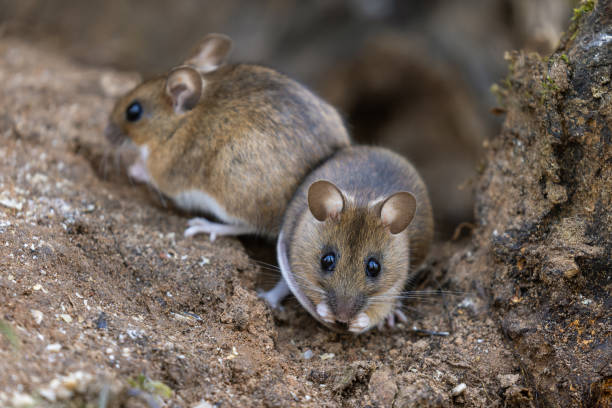
Hantavirus Infection is caused by viruses carried mainly by rodents such as deer mice. Humans become infected through inhalation of virus particles found in rodent urine, saliva, or droppings.
The disease initially appears harmless because symptoms resemble influenza:
- Fever
- Fatigue
- Muscle pain
- Headache
- Chills
- Nausea
However, within a short period, the lungs begin filling with fluid, leading to severe breathing problems.
The prevention and treatment of hantavirus becomes critical at this stage because respiratory failure can occur rapidly without emergency medical intervention.
Why Does Hantavirus Have Such a High Fatality Rate?


1. Rapid Lung Damage
One reason for the deadly nature of hantavirus is how quickly it attacks the lungs. The virus damages tiny blood vessels, causing fluid leakage into lung tissue. This condition severely limits oxygen delivery throughout the body.
Patients may suddenly experience:
- Extreme shortness of breath
- Low oxygen levels
- Chest tightness
- Blue lips or fingertips
Without intensive care support, survival becomes difficult.
The prevention and treatment of hantavirus therefore focuses heavily on early hospitalization before severe lung complications develop.
2. Delayed Diagnosis
Many patients mistake early symptoms for flu or COVID-like illnesses. Since the disease is rare, diagnosis may be delayed.
Doctors often require:
- Blood testing
- Chest imaging
- Oxygen monitoring
- Exposure history to rodents
This diagnostic delay contributes to the high fatality rate associated with Hantavirus Pulmonary Syndrome.
3. Immune System Overreaction
Researchers believe the immune response itself contributes to severe illness. Instead of simply fighting the virus, the body releases excessive inflammatory chemicals.
This “cytokine storm” damages:
- Lung tissue
- Blood vessels
- Organ systems
The prevention and treatment of hantavirus involves supportive hospital care aimed at controlling oxygen levels and reducing complications while the body clears the infection.
How Hantavirus Spreads
Common Sources of Infection


People usually contract hantavirus after exposure to infected rodents in:
- Cabins
- Garages
- Farms
- Sheds
- Storage units
- Rural homes
Activities increasing risk include:
- Sweeping rodent droppings
- Cleaning abandoned buildings
- Camping in rodent-infested areas
- Handling rodents directly
The prevention and treatment of hantavirus begins with minimizing exposure to contaminated environments.
Symptoms of Hantavirus Pulmonary Syndrome
Early Symptoms
Early signs usually appear 1–8 weeks after exposure:
- Fever
- Body aches
- Headache
- Dizziness
- Vomiting
- Abdominal pain
Severe Symptoms
As the disease progresses:
- Persistent coughing
- Difficulty breathing
- Rapid heartbeat
- Fluid-filled lungs
- Severe oxygen deprivation
Medical experts warn that immediate treatment is necessary once breathing difficulties start.
The prevention and treatment of hantavirus is most successful when intervention begins early.
Prevention and Treatment of Hantavirus
Prevention and Treatment of Hantavirus in Homes and Workplaces
The best defense is preventing exposure to rodents.
Recommended prevention strategies include:
- Sealing holes in buildings
- Storing food securely
- Using disinfectants on rodent droppings
- Wearing gloves and masks while cleaning
- Improving ventilation in closed spaces
Never sweep dry rodent waste because it can release infectious particles into the air.
The prevention and treatment of hantavirus should always prioritize environmental safety.
Prevention and Treatment of Hantavirus Through Medical Care
Currently, there is no specific antiviral cure approved for hantavirus pulmonary syndrome. Treatment mainly focuses on supportive care:
- Oxygen therapy
- Intravenous fluids
- Intensive care monitoring
- Mechanical ventilation
In severe cases, ECMO (extracorporeal membrane oxygenation) may be used to support breathing.
Early hospital admission greatly improves survival outcomes.
The prevention and treatment of hantavirus depends heavily on recognizing symptoms quickly and receiving emergency care.
Prevention and Treatment of Hantavirus During Outdoor Activities
Outdoor enthusiasts should:
- Avoid sleeping near rodent nests
- Store food properly while camping
- Ventilate cabins before entering
- Use disinfectant when cleaning dusty areas
Travelers and hikers should stay informed about local outbreaks.
The prevention and treatment of hantavirus is especially important in rural and wilderness environments.
Scientific Research on Hantavirus
Why Scientists Continue Studying the Disease
Researchers are actively studying:
- Vaccine development
- Antiviral medications
- Immune response regulation
- Rodent population control
Understanding why some patients recover while others do not may help lower mortality rates in the future.
For additional public health information, visit Canada Public Health Hantavirus Resource.
Can Hantavirus Be Treated Successfully?
Survival Depends on Early Action
Yes, many patients survive when they receive rapid medical treatment. Intensive supportive care can stabilize breathing and oxygen levels while the body fights the infection.
Healthcare professionals emphasize that the prevention and treatment of hantavirus is most effective when symptoms are recognized early.
People with recent rodent exposure and flu-like illness should seek emergency care immediately.
Related Health and Pain Management Resources
Some patients recovering from severe viral illnesses may later require pain management or supportive medications prescribed by healthcare providers. Learn more at The Pharmacy Meds Resource Center.
Frequently Asked Questions (FAQ)
What causes Hantavirus Pulmonary Syndrome?
Hantavirus pulmonary syndrome is caused by hantaviruses carried by infected rodents, especially deer mice. Humans become infected by inhaling contaminated airborne particles from rodent waste.
Why is hantavirus so deadly?
The virus rapidly damages lung tissue and blood vessels, causing fluid buildup in the lungs and severe breathing failure. Delayed diagnosis also contributes to high mortality rates.
What are the first signs of hantavirus?
Early symptoms include:
- Fever
- Muscle pain
- Fatigue
- Headache
- Nausea
These symptoms may quickly progress to breathing difficulties.
Is there a cure for hantavirus?
There is currently no specific cure. The prevention and treatment of hantavirus relies on supportive hospital care, oxygen therapy, and intensive monitoring.
Can hantavirus spread from person to person?
Most hantavirus strains in North America do not spread between humans. Infection mainly occurs through exposure to infected rodents.
How can I protect myself from hantavirus?
The best methods include:
- Avoiding rodent exposure
- Cleaning safely with disinfectants
- Wearing protective masks and gloves
- Sealing homes against rodents
The prevention and treatment of hantavirus starts with strong prevention measures.
How long does hantavirus stay active in the environment?
The virus can remain infectious for several days depending on temperature and humidity. Proper disinfection is important after rodent exposure.
Is hantavirus common?
Hantavirus infections are relatively rare but extremely dangerous. Rural regions with large rodent populations have higher risks.
Final Thoughts
Hantavirus Pulmonary Syndrome remains one of the most severe rodent-borne diseases because of its rapid progression and high fatality rate. Public education, rodent control, and rapid medical response are essential in reducing deaths.
The prevention and treatment of hantavirus should remain a public health priority worldwide. Understanding symptoms, minimizing exposure risks, and seeking immediate medical care can save lives.