


Introduction
As zoonotic diseases continue to emerge across the globe, European public health agencies are strengthening surveillance systems to monitor dangerous viral infections. One concern gaining more attention is hantavirus, a rodent-borne disease capable of causing severe respiratory and kidney complications in humans. Many researchers and healthcare organizations now ask: is hantavirus a threat in Europe?
Recent environmental changes, increased travel, urban expansion, and climate-related rodent migration patterns have pushed the topic into the spotlight. European countries are improving laboratory testing, disease reporting systems, and emergency response plans to prevent outbreaks before they spread widely.
According to recent reports from Euronews, health authorities across Europe are evaluating preparedness levels for future hantavirus-related health threats.
What Is Hantavirus?
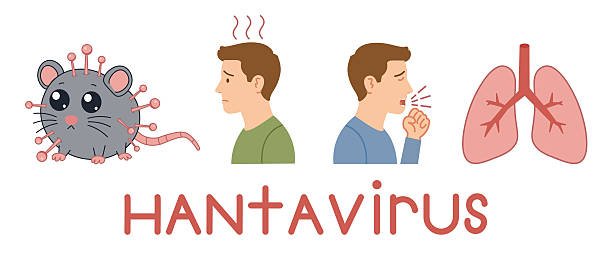
Hantavirus refers to a group of viruses primarily spread through infected rodent urine, droppings, or saliva. Humans can become infected when they inhale contaminated airborne particles in enclosed spaces such as cabins, farms, warehouses, or forests.
Symptoms may include:
- Fever
- Muscle aches
- Fatigue
- Headaches
- Respiratory distress
- Kidney complications
In Europe, the most common forms are linked to hemorrhagic fever with renal syndrome (HFRS), which is generally less deadly than some American hantavirus strains but still medically serious.
H2: Is Hantavirus a Threat in Europe?
Growing Concern Across European Countries
The question is hantavirus a threat in Europe has become increasingly important because several European nations report seasonal hantavirus cases every year. Countries including Sweden, Finland, Germany, Belgium, France, and Slovenia have all documented infections linked to rodent exposure.
Public health experts note that:
- Forested regions increase exposure risk
- Climate shifts affect rodent populations
- Rural tourism and hiking raise human interaction with infected rodents
- Urban expansion disrupts wildlife habitats
The European Centre for Disease Prevention and Control (ECDC) continues to monitor regional outbreaks and surveillance data to reduce transmission risks.
Europe’s Public Health Infrastructure for Hantavirus Monitoring


European countries rely on a multilayered health infrastructure to identify and contain infectious diseases rapidly.
Key Components Include:
1. Disease Surveillance Systems
Hospitals and laboratories report suspected hantavirus cases to national disease databases. These systems allow authorities to identify clusters early and track infection trends across borders.
2. Laboratory Testing Networks
Advanced laboratories perform:
- PCR testing
- Serological analysis
- Viral genome sequencing
These methods help determine outbreak origins and transmission patterns.
3. Cross-Border Information Sharing
European Union member states collaborate through coordinated health intelligence systems. This improves response speed during outbreaks.
4. Environmental Monitoring
Scientists monitor rodent populations and environmental conditions associated with viral spread.
H3: Is Hantavirus a Threat in Europe During Climate Change?
Climate change is reshaping infectious disease patterns worldwide. Experts increasingly believe that is hantavirus a threat in Europe cannot be answered without considering environmental changes.
Warmer winters and increased rainfall can lead to:
- Larger rodent populations
- Expanded rodent habitats
- Increased viral transmission opportunities
- Higher human exposure in outdoor environments
Researchers warn that ecological instability may increase future outbreaks unless monitoring systems continue evolving.
How European Countries Respond to Hantavirus Outbreaks
When cases emerge, public health agencies activate response measures designed to contain spread quickly.
Emergency Response Strategies
Contact Tracing
Health workers identify individuals who may have been exposed to infected environments.
Public Awareness Campaigns
Authorities educate communities about:
- Safe cleaning practices
- Rodent-proofing homes
- Avoiding contaminated dust exposure
Medical Preparedness
Hospitals maintain isolation protocols and supportive treatment plans for severe respiratory complications.
Data Coordination
Governments exchange outbreak intelligence through European health networks.
H4: Is Hantavirus a Threat in Europe for Travelers and Campers?


Outdoor enthusiasts frequently ask: is hantavirus a threat in Europe for tourists, hikers, and campers?
The risk remains relatively low for most travelers, but exposure can occur in:
- Rural cabins
- Forest shelters
- Farms
- Abandoned buildings
- Campsites with rodent infestations
Travelers should:
- Ventilate closed spaces before entering
- Avoid sweeping rodent droppings directly
- Wear gloves and masks during cleaning
- Store food securely
- Avoid direct rodent contact
The Role of AI and Digital Health Monitoring
Artificial intelligence is increasingly integrated into Europe’s disease surveillance systems.
AI-powered tools help authorities:
- Predict outbreak hotspots
- Analyze environmental risk factors
- Monitor disease spread patterns
- Improve healthcare resource allocation
- Detect unusual epidemiological trends faster
This technological shift helps answer ongoing concerns about is hantavirus a threat in Europe with more accurate predictive models.
Preventive Measures Recommended by Health Experts
Household Prevention Tips
- Seal holes where rodents enter buildings
- Keep food in airtight containers
- Remove rodent nesting materials
- Maintain clean storage spaces
Outdoor Safety Recommendations
- Avoid sleeping directly on forest floors
- Use proper camping sanitation
- Clean cabins carefully after long closures
Community Health Policies
European governments continue investing in:
- Public education
- Emergency preparedness
- Research funding
- Laboratory modernization
Healthcare Access and Public Awareness
Access to healthcare plays a major role in outbreak control. Many European countries maintain strong healthcare systems capable of identifying rare infectious diseases rapidly.
Educational campaigns also help reduce misinformation surrounding hantavirus transmission.
People searching online often ask:
- Can hantavirus spread between humans?
- Is hantavirus common in Europe?
- How dangerous is hantavirus?
- Which European countries report hantavirus cases?
Providing accurate answers through trusted health communication improves public safety.
For additional pharmaceutical information and healthcare-related resources, visit The Pharmacy Meds.
H2: Is Hantavirus a Threat in Europe Compared to Other Viral Diseases?
Compared with influenza, COVID-19, or RSV, hantavirus infections remain relatively rare in Europe. However, health experts still emphasize vigilance because outbreaks can become serious in localized regions.
The concern surrounding is hantavirus a threat in Europe is largely connected to:
- Increasing rodent-human interactions
- Environmental changes
- International travel
- Public health preparedness gaps
European agencies continue refining response systems to minimize future risks.
Frequently Asked Questions (FAQ)
What causes hantavirus infections?
Hantavirus infections are caused by exposure to infected rodent urine, droppings, or saliva. Inhaling contaminated airborne particles is the most common transmission method.
Is hantavirus a threat in Europe today?
Yes, experts acknowledge that is hantavirus a threat in Europe is an important public health concern, particularly in forested and rural regions where rodent exposure is more common.
Which European countries report hantavirus cases most often?
Countries including Finland, Sweden, Germany, Belgium, France, and Slovenia have documented recurring hantavirus infections.
Can travelers get hantavirus in Europe?
Travelers can potentially become infected if exposed to rodent-contaminated environments such as cabins, campsites, barns, or poorly ventilated buildings.
What are early symptoms of hantavirus?
Early symptoms often include:
- Fever
- Muscle pain
- Fatigue
- Chills
- Headaches
- Nausea
Severe cases may progress into respiratory distress or kidney complications.
Is hantavirus contagious between humans?
Most European hantavirus strains are not commonly spread from person to person. Transmission usually occurs through rodent exposure.
How does Europe monitor hantavirus outbreaks?
Europe uses:
- Disease surveillance systems
- Laboratory testing
- Environmental monitoring
- Cross-border data sharing
- AI-assisted outbreak prediction
Is hantavirus a threat in Europe because of climate change?
Scientists believe climate change may increase rodent populations and alter ecosystems, potentially raising the risk of hantavirus outbreaks.
How can people protect themselves from hantavirus?
People can reduce risk by:
- Avoiding rodent contact
- Ventilating closed spaces
- Wearing protective equipment during cleaning
- Sealing homes against rodents
- Practicing safe camping hygiene
Final Thoughts
The growing discussion around is hantavirus a threat in Europe reflects broader concerns about emerging infectious diseases and public health preparedness. European countries continue strengthening surveillance systems, investing in laboratory research, and improving outbreak response coordination to reduce future risks.
Public awareness, environmental monitoring, healthcare accessibility, and technological innovation will remain essential components of Europe’s hantavirus defense strategy in the years ahead.