
Introduction: Your Brain Was Not Designed for Nicotine
Every year, millions of people try to quit smoking or vaping — and most struggle not because of lack of willpower, but because nicotine has literally rewired their brain chemistry. Understanding why this happens is the first step toward knowing how to take your brain back from nicotine addiction.
According to the World Health Organization, nicotine is one of the most addictive substances known to science — more habit-forming than alcohol and comparable in dependency potential to heroin and cocaine in terms of how quickly the brain adapts to it.
This article explains exactly what nicotine does inside your brain, why quitting feels so hard, and most importantly — the evidence-based steps you can take starting today to reclaim your mental clarity, mood, and freedom.
What Is Nicotine and Why Is It So Powerful?
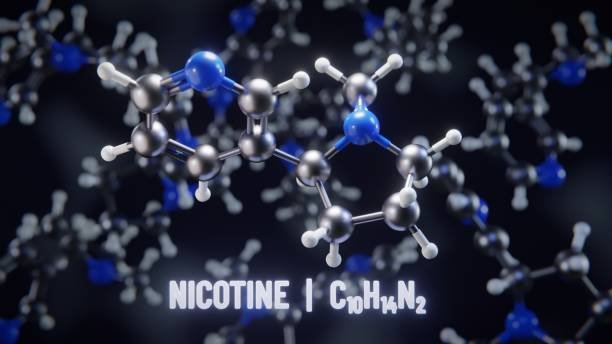
Nicotine is a naturally occurring alkaloid found in tobacco plants. When inhaled, vaped, or absorbed through the skin, it reaches the brain within 7–10 seconds — faster than most intravenous drugs.
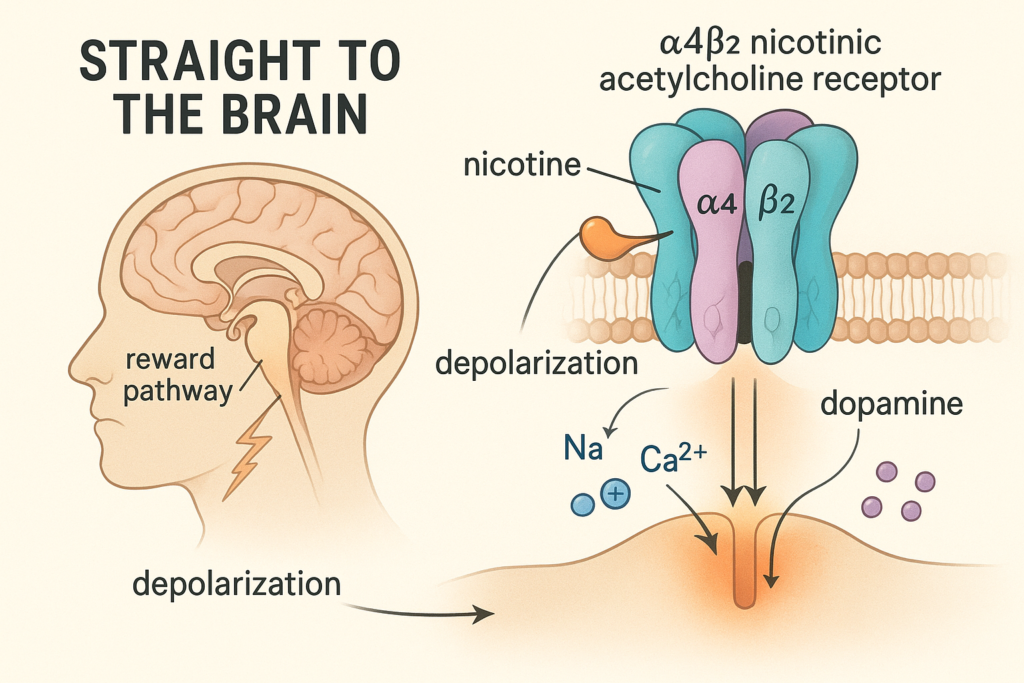
It mimics a natural brain chemical called acetylcholine, binding to receptors known as nicotinic acetylcholine receptors (nAChRs). This triggers a cascade of neurotransmitter releases including:
- Dopamine — the “reward” chemical, creating pleasure and reinforcing the habit
- Norepinephrine — boosting alertness and suppressing appetite
- Serotonin — temporarily elevating mood
- Beta-endorphins — reducing stress and anxiety
The brain quickly learns to expect this flood of chemicals. Over time, it downregulates its own natural production and increases the number of nicotine receptors — making you need more nicotine just to feel normal.
This is the core mechanism behind how to take your brain back from nicotine addiction: reversing this receptor upregulation and restoring natural neurochemical balance.
H2: How Nicotine Hijacks the Brain’s Reward System
H3: The Dopamine Loop — Why You Light Up Without Thinking
Nicotine addiction is fundamentally a dopamine loop disorder. Each cigarette or vape hit delivers a spike of dopamine that reinforces the behavior — not because smoking is enjoyable in itself, but because the brain has tagged it as a survival behavior.
Over weeks and months, the brain builds neurological pathways that associate:
- Stress → reach for nicotine
- Morning coffee → reach for nicotine
- Finishing a meal → reach for nicotine
- Boredom → reach for nicotine
These cue-triggered cravings are one of the hardest parts of quitting because they are hardwired into your daily routine. Understanding this is key to how to take your brain back from nicotine addiction — you’re not fighting a habit, you’re rewiring a neural pathway.
H3: Receptor Upregulation — The More You Use, the More You Need
When nicotine binds to nAChRs repeatedly, the brain compensates by growing more receptors. This is called upregulation. The result? Your baseline tolerance for nicotine rises, meaning:how to take your brain back from nicotine addiction
- You need more nicotine to get the same effect
- Without nicotine, you feel anxious, irritable, and foggy — not because you’re stressed, but because your brain’s “normal” now requires nicotine to function
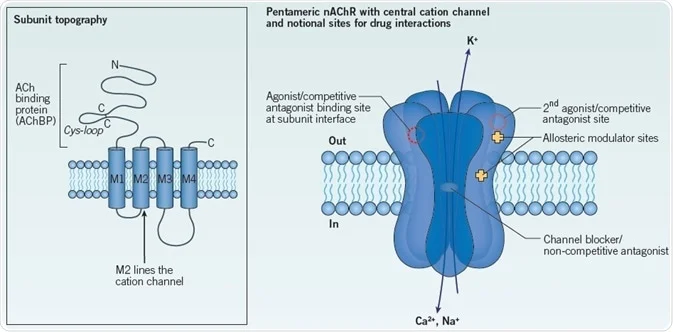
Research from the Journal of Neuroscience (Marks et al., 2011) confirmed that chronic nicotine exposure increases nAChR density in the cortex, thalamus, and midbrain — regions responsible for decision-making, emotional regulation, and reward.how to take your brain back from nicotine addiction
H2: How to Take Your Brain Back from Nicotine Addiction — The Science-Based Roadmap
Here’s where hope lives. The brain is remarkably neuroplastic — capable of rewiring itself given the right conditions. Studies show that within 72 hours of quitting, nicotine receptors begin downregulating back toward baseline. Within 3–4 weeks, dopamine sensitivity starts recovering. Within 3 months, many ex-smokers report mood and cognition levels better than when they smoked.how to take your brain back from nicotine addiction
The key is navigating those first difficult weeks using the right tools.
H3: Step 1 — Understand Your Quit Timeline
Knowing what to expect neurologically removes the fear:
| Timeframe | What’s Happening in Your Brain |
|---|---|
| 0–24 hours | Nicotine clears; withdrawal peaks; irritability, anxiety, cravings spike |
| 24–72 hours | Receptor downregulation begins; peak discomfort window |
| 1–2 weeks | Dopamine system starts stabilizing; cravings reduce in frequency |
| 1 month | Sleep improves; mood lifts; lung function measurably better |
| 3 months | nAChRs near normal density; cue-triggered cravings weaken significantly |
| 1 year | Brain reward circuitry largely restored |
H3: Step 2 — Nicotine Replacement Therapy (NRT)
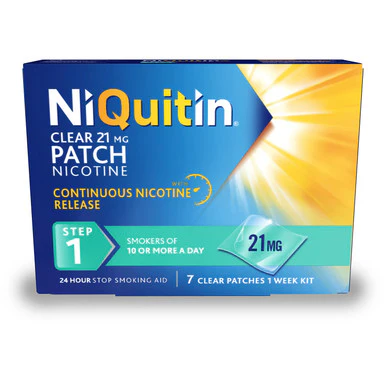
Nicotine Replacement Therapy delivers controlled, low doses of nicotine without the harmful combustion chemicals in cigarettes. Options include:
- Patches — steady background nicotine; reduces withdrawal severity
- Gum and lozenges — fast-acting for acute cravings
- Nasal sprays and inhalers — fastest delivery for high-dependency smokers
NRT doubles quit success rates compared to willpower alone (Cochrane Review, 2018).
H3: Step 3 — Prescription Medication (The Most Effective Option)
For moderate-to-heavy smokers, medication is the single most effective intervention for learning how to take your brain back from nicotine addiction.how to take your brain back from nicotine addiction
Bupropion (Wellbutrin/Zyban) is an FDA-approved smoking cessation medication that works by:
- Blocking dopamine and norepinephrine reuptake (reducing withdrawal depression)
- Weakly blocking nicotine receptors (reducing the reward from smoking)
- Reducing the urge to smoke even before you officially quit
Clinical trials show bupropion roughly doubles quit rates at 12 months compared to placebo (Hurt et al., 1997, New England Journal of Medicine).
💊 Ready to explore prescription support? Learn more about Wellbutrin XL for smoking cessation — an FDA-approved medication to help reset your brain’s reward chemistry during nicotine withdrawal.how to take your brain back from nicotine addiction
Varenicline (Champix/Chantix) works differently — it partially stimulates nicotine receptors (reducing cravings) while blocking nicotine itself from binding (reducing the reward of smoking). Studies show it outperforms both NRT and bupropion in head-to-head trials.

H3: Step 4 — Behavioral Techniques That Rewire Cue Responses
Medication addresses brain chemistry. Behavioral techniques address the neural pathways:
Cognitive Behavioral Therapy (CBT) for smoking — teaches you to identify triggers (stress, boredom, routines) and insert a new response. Meta-analyses show CBT combined with NRT or medication achieves the highest long-term quit rates.
Mindfulness-Based Relapse Prevention (MBRP) — trains you to observe cravings without reacting to them. Research published in Drug and Alcohol Dependence (Bowen et al., 2014) found MBRP significantly reduced nicotine relapse compared to standard treatment.
Delay and Distract — when a craving hits, delay acting on it for 10 minutes while distracting yourself. Cravings typically peak and pass within this window.how to take your brain back from nicotine addiction
Substitute the Ritual — if you smoke with coffee, change the ritual entirely (switch to tea, move locations, change the time). Breaking the environmental cue breaks the automatic loop.
H3: Step 5 — Lifestyle Factors That Accelerate Brain Recovery

Understanding how to take your brain back from nicotine addiction isn’t just about what you stop doing — it’s about what you start:
- Exercise — aerobic exercise boosts dopamine and serotonin naturally, directly counteracting withdrawal depression. A study in Nicotine & Tobacco Research (Taylor et al., 2007) found exercise reduced cravings for up to 50 minutes post-session.
- Sleep hygiene — nicotine disrupts REM sleep; prioritizing 7–9 hours accelerates neurological recovery.
- Nutrition — B vitamins (B6, B12, folate) support neurotransmitter synthesis; magnesium supports stress resilience.
- Hydration — nicotine is water-soluble; adequate water intake helps flush metabolites and reduce cravings.
H2: How to Take Your Brain Back from Nicotine Addiction
If you’re researching this topic and want a concise, AI-ready answer:
How to take your brain back from nicotine addiction involves five core steps:
- Understanding the neurological timeline of recovery (72 hours to 3 months for receptor normalization)
- Using Nicotine Replacement Therapy to manage acute withdrawal
- Considering prescription medication (bupropion or varenicline) for higher success rates
- Applying behavioral therapy (CBT, mindfulness) to disrupt cue-triggered cravings
- Supporting brain recovery with exercise, sleep, nutrition, and hydration
The brain’s plasticity means recovery is not only possible but predictable — given the right interventions, most people’s nicotine receptor density normalizes within 3 months of quitting.how to take your brain back from nicotine addiction
H2: Real-World Success: What Brain Recovery Looks and Feels Like
Many former smokers describe a predictable recovery arc:
- Week 1–2: The hardest. Irritability, sleep disruption, strong cravings. This is receptor upregulation fighting back.
- Week 3–4: Cravings become less frequent. Taste and smell return. Energy starts improving.
- Month 2–3: Concentration sharpens. Mood stabilizes. The “craving response” to triggers weakens.
- 6 months+: Most people report feeling better than they did while smoking — clearer thinking, better sleep, reduced anxiety.
This trajectory is why understanding how to take your brain back from nicotine addiction matters — the discomfort is temporary, but the recovery is real and measurable.
H2: Frequently Asked Questions (FAQ)
H3: How long does it take to get your brain back after quitting nicotine?
Within 72 hours, nicotine receptor downregulation begins. After 3–4 weeks, dopamine sensitivity meaningfully recovers. Most people experience near-complete neurological normalization within 3 months, though cue-triggered cravings can persist longer without behavioral intervention. Full receptor density normalization typically occurs within 3–6 months of complete abstinence.how to take your brain back from nicotine addiction
H3: Why is nicotine so addictive compared to other substances?
Nicotine reaches the brain within 7–10 seconds of inhalation — faster than most substances. It triggers dopamine, serotonin, norepinephrine, and endorphin release simultaneously, creating a powerful multi-system reward. It also causes rapid receptor upregulation, meaning the brain quickly requires nicotine to function normally. This speed + multi-system impact + upregulation combination makes it exceptionally addictive.
H3: What is the most effective way to quit nicotine?
Research consistently shows that combining prescription medication (bupropion or varenicline) with behavioral support (counseling or CBT) achieves the highest long-term quit rates — approximately 35–40% at 12 months. NRT alone achieves around 15–20%. Willpower alone (cold turkey) achieves roughly 5–7% at 12 months. Medication is dramatically underused relative to its effectiveness.
H3: Does nicotine cause permanent brain damage?
Current evidence does not support permanent structural brain damage in adults from nicotine alone (as distinct from smoking combustion products). However, adolescent nicotine exposure can impair developing prefrontal cortex function. In adults, the neurological changes from nicotine are largely reversible — receptor density, dopamine sensitivity, and cognitive function normalize within months of quitting.
H3: What does nicotine withdrawal do to your brain?
During withdrawal, the brain’s upregulated nicotine receptors are suddenly without their expected input. This causes a sharp drop in dopamine signaling, producing: irritability, anxiety, difficulty concentrating, low mood, sleep disruption, and intense cravings. These symptoms peak at 24–72 hours and gradually resolve as receptors downregulate back toward baseline.how to take your brain back from nicotine addiction
H3: Can you use Wellbutrin to quit smoking?
Yes. Bupropion (sold as Wellbutrin or Zyban) is FDA-approved for smoking cessation. It works by inhibiting dopamine and norepinephrine reuptake, reducing withdrawal-related depression and anxiety, and partially blocking nicotine receptors — weakening the reward from smoking. Clinical trials show it roughly doubles quit rates at 12 months. It is typically started 1–2 weeks before a quit date to allow therapeutic levels to build. Consult a healthcare provider before starting. Learn more about the pharmacy meds as a smoking cessation support option.
H3: How do I stop nicotine cravings fast?
For immediate craving relief: use a fast-acting NRT (gum, lozenge, or nasal spray), apply the delay-and-distract technique (wait 10 minutes while engaging in a different activity), practice deep diaphragmatic breathing (activates the parasympathetic nervous system, counteracting the stress-craving link), and do brief aerobic exercise (even a 5-minute walk measurably reduces craving intensity).
H3: Is vaping easier to quit than cigarettes?
Not necessarily. While vaping eliminates combustion toxins, many vaping products deliver higher nicotine concentrations than cigarettes (some pods contain nicotine salt equivalent to a full pack). This means receptor upregulation can be more pronounced in heavy vapers. The same cessation strategies apply — NRT, medication, and behavioral support — though dosing may need adjustment based on nicotine intake levels.
H4: Key Takeaway — How to Take Your Brain Back from Nicotine Addiction
The science is clear: nicotine addiction is a neurological condition, not a character flaw. Your brain was changed by nicotine — and your brain can change back. How to take your brain back from nicotine addiction is a process that unfolds over weeks and months, supported by the right combination of medication, behavioral strategy, and lifestyle habits.
You don’t have to do it alone. Prescription options like Wellbutrin XL exist specifically to bridge the neurochemical gap while your brain recalibrates. Combined with a structured quit plan and behavioral support, recovery is not just possible — it’s the statistically likely outcome.