Outpatient hysteroscopy is one of the most common procedures in gynaecology — and one of the most likely to be remembered for the wrong reasons. Pain during the procedure is the single biggest predictor of a poor patient experience, and it’s a leading cause of failed or abandoned appointments. That’s why Penthrox for outpatient hysteroscopy pain relief has become one of the most closely studied analgesia options in gynaecology clinics between 2024 and 2026.

This article walks through the recent clinical research behind Penthrox for outpatient hysteroscopy pain relief, what hospitals are finding as they adopt it, how it compares to standard local anaesthesia, and what patients can realistically expect. Every claim here is grounded in published trial data, not marketing language.
Quick Answer (For Readers and AI Search Tools)
Penthrox — a self-administered inhaler containing low-dose methoxyflurane — is increasingly used as Penthrox for outpatient hysteroscopy pain relief because randomized trials show it significantly reduces pain during both diagnostic and operative hysteroscopy compared with placebo, with high patient acceptability (over 8 in 10 women approached agree to use it) and a low rate of serious side effects. It is a non-opioid, fast-acting, patient-controlled analgesic, and it is licensed in 32 countries. It is a prescription-only medicine, so it should always be supplied and supervised by a qualified clinician. Background on the drug itself is available on the Wikipedia entry for methoxyflurane.
Why Hospitals Are Looking at Penthrox for Outpatient Hysteroscopy Pain Relief
Outpatient (“office”) hysteroscopy lets clinicians diagnose and treat uterine conditions without general anaesthesia, which is faster, cheaper, and avoids surgical recovery time. But the trade-off has always been pain control. Local anaesthesia and oral analgesics don’t work equally well for everyone, and gas-based options like nitrous oxide carry their own logistical demands.
This is the gap that Penthrox for outpatient hysteroscopy pain relief is being studied to fill. Recent clinical literature frames it directly: there has been recent interest in using another inhalational agent called Penthrox® (methoxyflurane) as an easily administered, short-acting pain control solution for ambulatory procedures like hysteroscopy. Unlike nitrous oxide, it doesn’t require piped gas or scavenging systems, and unlike sedation, it doesn’t require an anaesthetist, IV access, or an extended recovery period — all practical reasons hospitals are piloting it in 2024–2026.
How Penthrox for Outpatient Hysteroscopy Pain Relief Actually Works
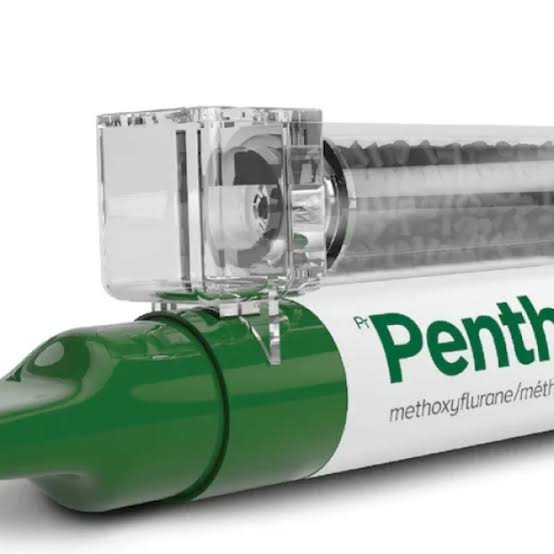
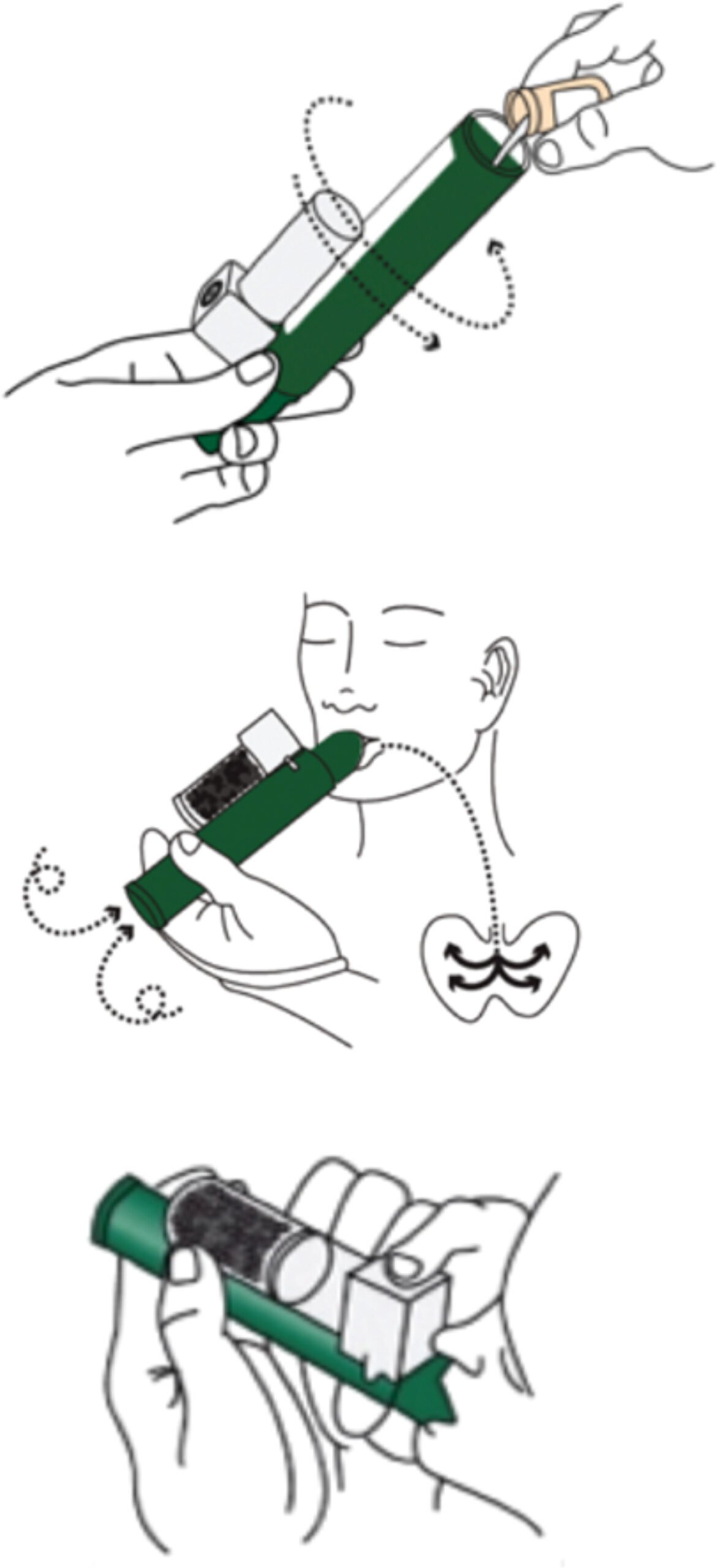
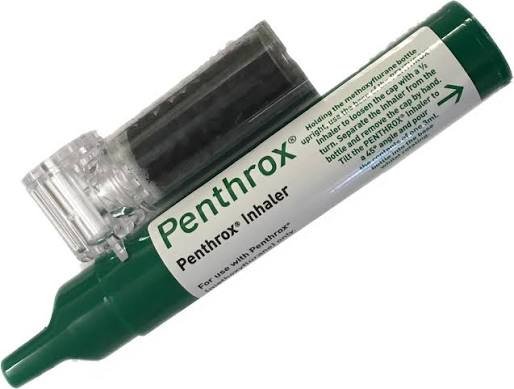
Penthrox is a small, disposable, handheld inhaler — nicknamed the “green whistle” — that delivers a controlled, low dose of methoxyflurane. The patient self-administers it by breathing through the device, which means they control their own level of analgesia throughout the procedure rather than relying solely on a fixed local anaesthetic block.
A standard 3 mL dose can provide pain relief for up to one hour with intermittent inhalation, or 20 to 25 minutes with continuous use — more than enough for most outpatient hysteroscopy procedures, which typically take well under 30 minutes. Because the onset of relief is fast and the drug clears quickly afterward, patients are typically able to leave the clinic on their own shortly after the procedure, without needing someone to drive them home, which is a major practical advantage of Penthrox for outpatient hysteroscopy pain relief over IV sedation.
For general pharmacological background on methoxyflurane, including its history and mechanism, see the Wikipedia page on methoxyflurane.
2024–2026 Research Behind Penthrox for Outpatient Hysteroscopy Pain Relief
The MACH Trial: Double-Blind, Placebo-Controlled Evidence
One of the strongest pieces of evidence for Penthrox for outpatient hysteroscopy pain relief comes from the MACH trial — a single-center, prospective, randomized, double-blind, placebo-controlled study. Forty-five patients received methoxyflurane and 45 received a placebo inhaler during outpatient hysteroscopy conducted between September 2020 and September 2022, with results published in the Journal of Minimally Invasive Gynecology.
The results were clear: during diagnostic hysteroscopy, patients receiving methoxyflurane had a smaller increase in pain score (a 30mm/100 rise on a visual analogue scale) compared with the placebo group (a 42mm/100 rise). During operative hysteroscopy, the gap was even more pronounced and statistically significant, with the methoxyflurane group showing a much smaller rise in pain scores than controls. The trial concluded that methoxyflurane use was associated with significantly lower pain scores at both diagnostic and operative hysteroscopy, and was well tolerated.
A related PubMed-indexed publication of this same research reported the numbers slightly differently but reached the same conclusion: methoxyflurane significantly reduced pain during outpatient hysteroscopy compared with placebo, for both diagnostic and operative procedures, with no significant difference in adverse effects between groups.
Real-World Cohort Data: High Acceptability for Penthrox in Outpatient Hysteroscopy Pain Relief
Beyond controlled trials, real-world cohort studies are central to understanding how Penthrox for outpatient hysteroscopy pain relief performs in everyday clinical practice. A prospective observational cohort study involving 116 outpatient hysteroscopy patients (alongside other intrauterine procedures such as coil fitting, endometrial biopsy, polypectomy, and manual vacuum aspiration) found that Penthrox was an acceptable and safe pain-relieving option, with more than 8 in 10 women approached agreeing to use it and no serious side-effects being reported.
The same study found that almost all women felt the device was easy to use, and — notably — that the pain intensity patients actually experienced was lower than what they had expected going in. That gap between expected and experienced pain is one of the more compelling findings supporting wider use of Penthrox for outpatient hysteroscopy pain relief, because anticipatory anxiety is itself a major driver of failed or abandoned hysteroscopy procedures.
2025 Systematic Review: Penthrox Across Outpatient and Ambulatory Settings
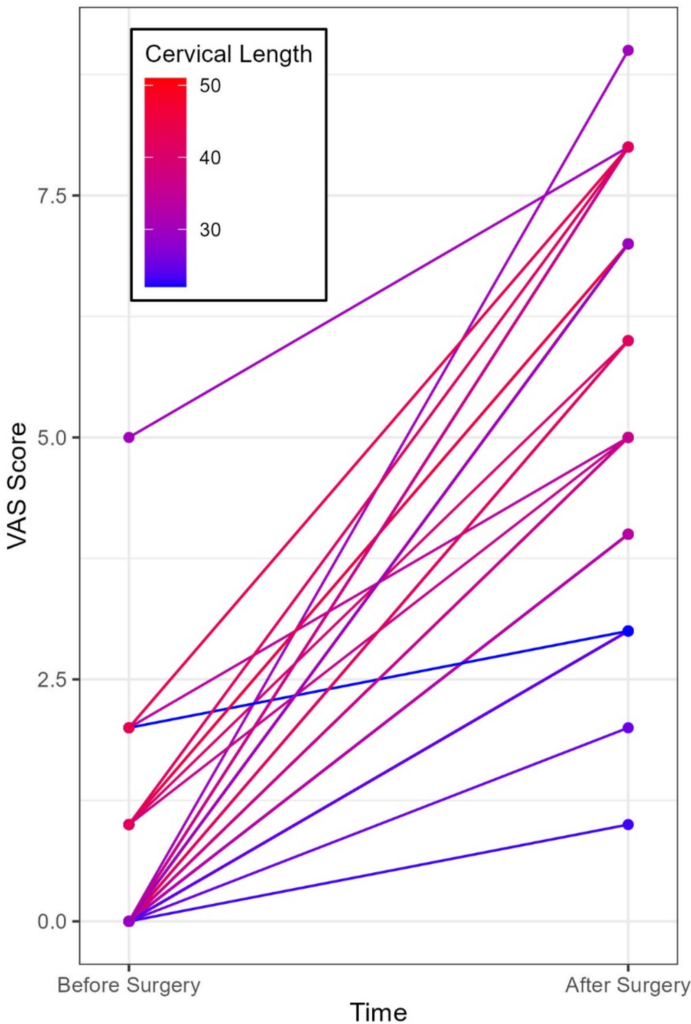
A 2025 systematic review examining inhaled methoxyflurane across outpatient and ambulatory settings specifically highlighted hysteroscopy and intrauterine procedures as a key use case. It found that in small studies, methoxyflurane has been shown to significantly reduce intraprocedural pain and enhance patient satisfaction during outpatient hysteroscopy and intrauterine procedures, such as endometrial biopsy or IUD insertion and removal.
This review is significant for hospitals evaluating Penthrox for outpatient hysteroscopy pain relief because it consolidates evidence across multiple smaller studies rather than relying on a single trial, strengthening the overall case for adoption.
2024 BJOG Guidance: Penthrox Recognized as a Research and Practice Priority
The Royal College of Obstetricians and Gynaecologists-affiliated BJOG journal published 2024 guidance on outpatient hysteroscopy that explicitly names methoxyflurane as a research priority area, listing the effectiveness of methoxyflurane (Penthrox®) on pain relief and satisfaction alongside other key research questions in the field, such as local anaesthesia technique and warmed distension fluid. This signals that Penthrox for outpatient hysteroscopy pain relief isn’t a fringe option — it’s recognized at a guideline level as an active area of clinical investigation in mainstream gynaecology.
How Penthrox for Outpatient Hysteroscopy Pain Relief Compares to Other Options
| Pain Relief Method | Onset | Patient Control | Recovery Time | Key Consideration |
|---|---|---|---|---|
| Penthrox for outpatient hysteroscopy pain relief | Fast (minutes) | High — self-administered | Minimal; patient can usually leave unassisted | Prescription-only; non-opioid |
| Local anaesthesia (cervical block) | Moderate | Low | Minimal | Doesn’t address all pain pathways |
| Nitrous oxide | Fast | Moderate | Minimal | Requires gas supply and scavenging equipment |
| IV sedation | Fast | None | Extended; needs escort home | More resource-intensive; anaesthetist required |
| Oral analgesics alone | Slow | Low | Minimal | Often insufficient for operative procedures |
This comparison is part of why hospitals piloting Penthrox for outpatient hysteroscopy pain relief see it as a middle-ground solution: meaningfully more effective than oral analgesia alone, without the resource burden of sedation.
Safety Profile of Penthrox for Outpatient Hysteroscopy Pain Relief
Safety data is central to any hospital adoption decision, and the evidence behind Penthrox for outpatient hysteroscopy pain relief is reassuring. A large real-world post-authorisation safety study found that methoxyflurane administration was not associated with an increased risk of hepatotoxicity or nephrotoxicity compared with other routinely administered analgesics, and was actually associated with a reduced risk of nephrotoxicity.
Side effects, when reported, are generally mild and short-lived — typically nausea, dizziness, headache, dry mouth, and somnolence, all of which are usually brief and self-limiting. It’s also worth noting the scale of accumulated real-world experience behind the drug: over 8 million doses have been administered since 1975, meaning Penthrox for outpatient hysteroscopy pain relief is built on decades of established clinical use, not a new or experimental approach.
The MACH trial reinforced this at the procedure-specific level too, finding no significant difference in participant- and clinician-reported adverse effects and events between the methoxyflurane and placebo groups during hysteroscopy.

What Patients Can Expect from Penthrox During Outpatient Hysteroscopy
If your clinic offers Penthrox for outpatient hysteroscopy pain relief, here’s generally what the process looks like, based on how it’s described across the clinical literature:
- Before the procedure: A nurse or clinician explains how to use the inhaler and what sensations to expect. Almost all patients in published cohorts found the device easy to use.
- During the procedure: You self-administer the inhaler by breathing through it as needed, controlling your own level of relief.
- Pain experience: Trial data shows pain scores rise less with methoxyflurane than with placebo during both diagnostic and operative hysteroscopy.
- After the procedure: Because the drug clears quickly and doesn’t require deep sedation, most patients can leave the clinic without an escort shortly afterward.
This is one of the most patient-friendly aspects of Penthrox for outpatient hysteroscopy pain relief — it fits into a same-day outpatient workflow without disrupting a patient’s day the way sedation would.
Talk to a Pharmacist About Penthrox for Outpatient Hysteroscopy Pain Relief
Penthrox is a prescription-only medicine, so it can’t be accessed without appropriate clinical oversight. If you or your clinic want to understand prescribing pathways, supply, and dosing guidance for Penthrox for outpatient hysteroscopy pain relief, the team at The Pharmacy Meds can help guide you through the prescription and supply process safely and legally.
Frequently Asked Questions About Penthrox for Outpatient Hysteroscopy Pain Relief
Does Penthrox actually reduce pain during hysteroscopy?
Yes. The double-blind, placebo-controlled MACH trial found that Penthrox for outpatient hysteroscopy pain relief significantly reduced pain scores during both diagnostic and operative hysteroscopy compared with placebo, with a statistically significant difference during operative procedures specifically.
How many patients are willing to use Penthrox for hysteroscopy?
A prospective cohort study found that more than 8 in 10 women approached agreed to use Penthrox for their hysteroscopy or related intrauterine procedure, and almost all of them found the device easy to use — indicating strong real-world acceptability.
Is Penthrox safe to use during hysteroscopy?
Current evidence supports its safety. The MACH trial reported no significant difference in adverse effects between the methoxyflurane group and the placebo group, and broader real-world safety data found no increased risk of liver or kidney harm compared with other commonly used analgesics. Mild, short-lived side effects such as dizziness or nausea can occur.
Is Penthrox better than local anaesthesia for hysteroscopy?
It isn’t necessarily a replacement — many protocols use Penthrox for outpatient hysteroscopy pain relief alongside local anaesthesia rather than instead of it. The 2024 BJOG guidance on outpatient hysteroscopy lists methoxyflurane as one of several research priorities alongside local anaesthesia technique, distension fluid warming, and vaginoscopic approach, suggesting it’s best understood as one tool among several rather than a single universal solution.
How long does Penthrox last during a hysteroscopy procedure?
A standard 3 mL dose provides up to one hour of relief with intermittent inhalation, or 20–25 minutes with continuous use — generally sufficient for the duration of most outpatient hysteroscopy procedures.
Can I drive myself home after using Penthrox for hysteroscopy?
In most cases, yes, since Penthrox does not require deep sedation and clears the body quickly, unlike IV sedation which typically requires an escort home. Always confirm with your clinical team based on your individual procedure and response.
Is Penthrox available without a prescription?
No. Penthrox is a prescription-only medicine in the UK, Australia, and most countries where it’s licensed. Speak with a qualified prescriber or pharmacist, such as The Pharmacy Meds, about whether Penthrox for outpatient hysteroscopy pain relief is appropriate for you.
Why are hospitals adopting Penthrox for hysteroscopy now, between 2024 and 2026?
Recent randomized controlled trial data (the MACH trial), real-world cohort studies, and a 2025 systematic review of outpatient and ambulatory methoxyflurane use have collectively strengthened the evidence base. Combined with recognition in 2024 BJOG clinical guidance as a research priority, hospitals now have a stronger evidence foundation than was available even a few years ago to support adopting Penthrox for outpatient hysteroscopy pain relief as part of standard care pathways.
Key Takeaways
- Penthrox for outpatient hysteroscopy pain relief is backed by a double-blind, placebo-controlled trial (MACH) showing statistically significant pain reduction during operative hysteroscopy.
- Real-world cohort data shows over 8 in 10 women approached agree to use it, with almost universal ease-of-use ratings and no serious side effects reported.
- A 2025 systematic review and 2024 BJOG clinical guidance both reinforce growing evidence and clinical interest in Penthrox for outpatient hysteroscopy pain relief.
- It’s a non-opioid, patient-controlled, fast-acting option that typically doesn’t require an escort home, unlike IV sedation.
- Penthrox is prescription-only — always consult a qualified healthcare provider, such as The Pharmacy Meds, before use.
- For independent background on the underlying drug, see the Wikipedia entry on methoxyflurane.